
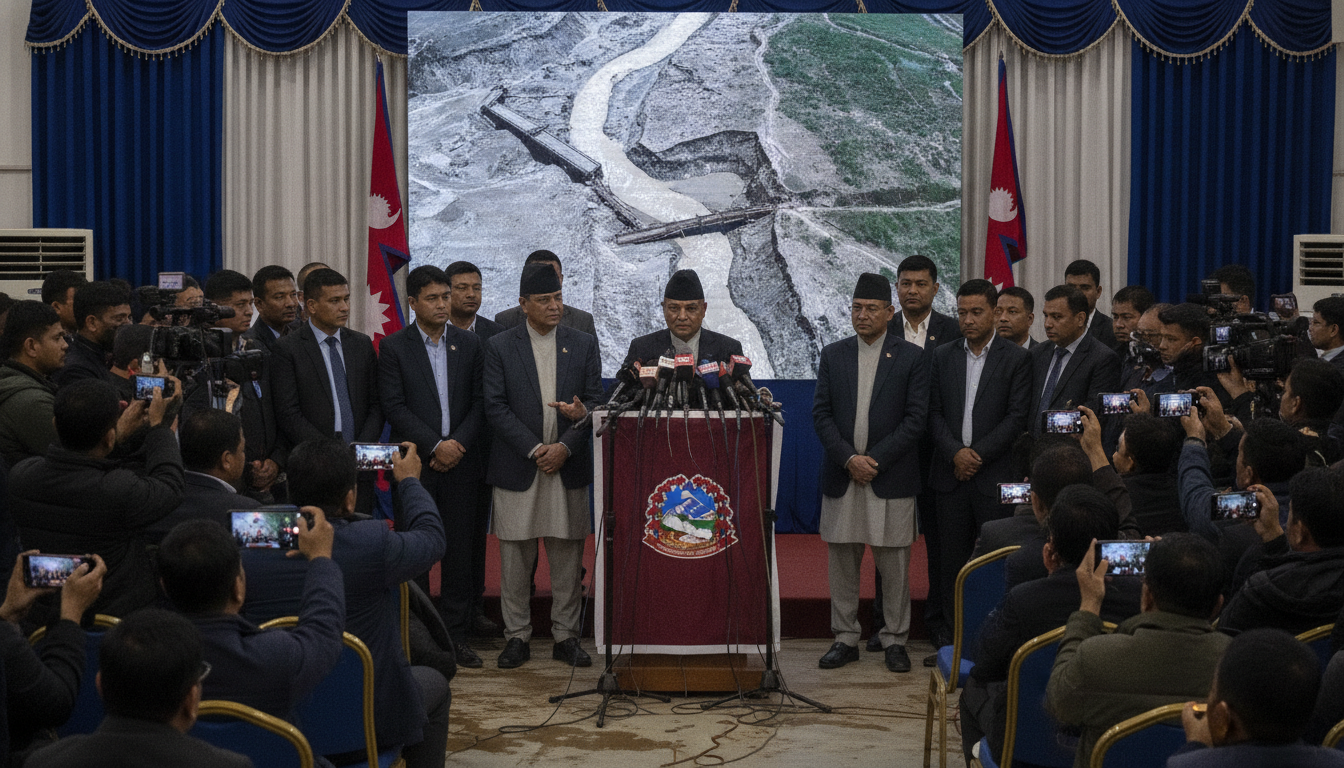
Nepal floods leave at least 160 dead and 800 missing after Himalayan flash floods
At least 160 people have been killed and about 800 are missing after flash floods struck Nepal’s Himalayan border region, rescuers race to find survivors amid widespread devastation.
Rescue teams are racing to locate hundreds of people unaccounted for after sudden flash floods tore through communities near Nepal’s border with China on August 27, 2026. The Nepal floods swept away homes and bridges in remote mountain valleys, leaving scores dead and many more listed as missing, officials said. Local emergency services, volunteers and the army have been mobilized, while residents describe scenes of uprooted trees and mud-choked roads.
Casualty figures and missing persons
Authorities reported at least 160 fatalities and approximately 800 people missing after the flash floods, numbers that are expected to change as search operations continue. Many of the missing are thought to be villagers from remote settlements hardest hit by the surge of water and debris. Officials cautioned that initial tallies are provisional and that reaching isolated communities will take time.
Families in affected districts have been collecting at makeshift centres, anxiously awaiting word on loved ones. Local leaders said that several entire hamlets were reported swept away, complicating efforts to account for residents and verify casualty lists.
Extent of damage to settlements and infrastructure
Preliminary assessments indicate widespread destruction to houses, small bridges and agricultural land along the river valleys that run parallel to the Himalayan foothills. Authorities described roads clogged by mud and fallen trees, slowing the arrival of rescue teams and relief supplies. Power and communications were disrupted in several areas, hampering coordination of the response.
Local officials said key routes into some valleys are still impassable, forcing rescuers to rely on footpaths to reach the worst-hit settlements. The loss of crops and livestock has also raised concerns about food security for survivors in coming weeks.
Search and rescue efforts under way
Search-and-rescue teams from Nepal’s national disaster response agencies, the army and volunteer groups have been deployed to locate survivors and recover bodies. Teams are focusing on areas where residents reported being swept away or where buildings collapsed under the force of water. Authorities have set up temporary shelters and medical posts to treat the injured.
Rescuers face steep terrain, unstable slopes and ongoing rain in some areas, conditions that increase the risk for teams working in the field. Officials said additional personnel and equipment are being redirected to the region to boost recovery operations.
Weather conditions and likely causes
Officials attributed the flash floods to intense, localized rainfall in the high Himalayas that triggered massive runoff down steep river channels. In some mountain areas, sudden snowmelt or the breaching of riverbanks can amplify flows, producing destructive surges in a matter of hours. Meteorological agencies warned that such extreme precipitation events have become more frequent in the region.
Experts cautioned that climate variability is increasing the intensity of monsoon-related storms, making mountain communities more vulnerable to flash floods and landslides. Further investigations will be needed to determine precise causal factors in this event.
Humanitarian response and aid mobilization
Nepal’s government has called for a coordinated relief effort, and aid agencies are preparing to deliver emergency food, shelter materials and medical assistance to affected families. Local non-governmental organizations have already begun collecting donations and organizing volunteers to support search operations and distribute essentials. Regional authorities appealed for additional resources to cope with the scale of destruction.
Health officials emphasized the importance of rapid medical support to prevent outbreaks of waterborne diseases in displaced communities. Relief workers are also prioritizing safe drinking water, sanitation facilities and psychosocial support for survivors.
Access challenges and communications blackout
Remote mountain topography and damaged transport links are the primary obstacles to a swift response, aid coordinators said. In several districts, mobile-phone networks remain down and power outages persist, limiting the flow of information from affected villages. This makes it difficult to produce comprehensive lists of those missing and to target assistance efficiently.
Local administrators urged residents to move to higher ground where possible and to register at relief centres so families can be traced. They also appealed for patience, noting that search teams could be hampered for days by landslides and continued adverse weather.
The full scale of the disaster is still emerging as teams continue search operations and assess damage in valley communities along Nepal’s northern frontier. Authorities said they will provide regular updates as more information becomes available and as access to isolated areas improves.
