
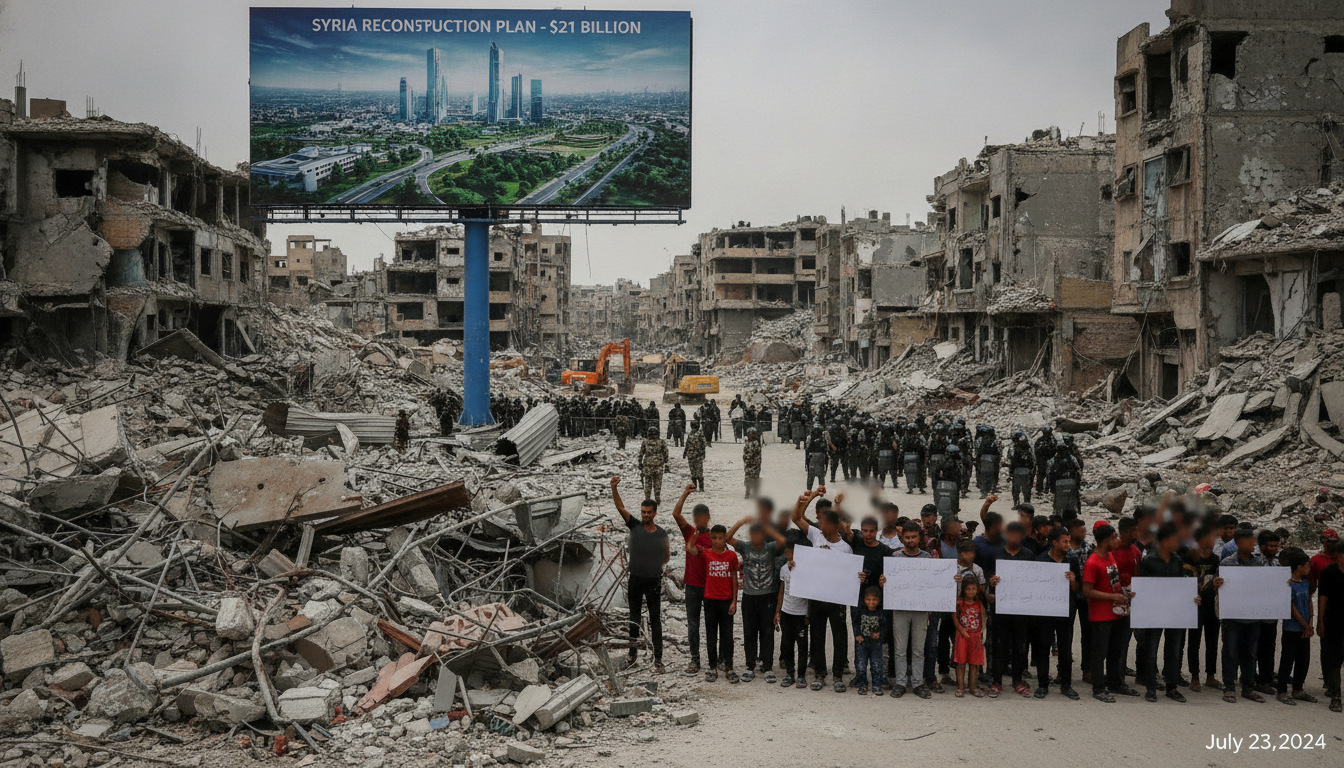
Jobar reconstruction stalls amid contested redevelopment and safety hazards
Jobar reconstruction in Damascus is stalled by safety risks, contested redevelopment deals and residents blocked from rebuilding as the neighbourhood struggles to recover after years of war.
Jobar, once a densely populated suburb of Damascus, now lies largely empty and in ruins as the stalled Jobar reconstruction effort highlights the difficulties of returning residents and rebuilding basic services after a 13‑year conflict. Locals say the neighbourhood was repeatedly shelled and bombed during the fighting and that most buildings were left structurally unsound or hollowed out by years of neglect and looting. Attempts to restart construction have been hampered by unclear government plans, safety operations and competing private investment proposals.
Ghost town after years of siege
The neighbourhood bore the brunt of frontline fighting between 2012 and 2018 when opposition forces held parts of Jobar, residents say, and the area was repeatedly targeted by air strikes and artillery. Estimates given by local sources and reconstruction experts suggest that roughly 95 percent of buildings were damaged or destroyed, leaving whole blocks reduced to shells and rubble.
After a surrender agreement in 2018, many civilians left under evacuation arrangements and the area remained largely off-limits for years, turning familiar streets and markets into empty thoroughfares. A limited return in recent years brought former residents back for brief visits, but few have been able to re‑establish normal life or resume commercial activity.
Underground maze and safety hazards
During the years of fighting, residents and fighters built an extensive network of tunnels beneath Jobar to shelter from bombardment and move people covertly, creating a dangerous subterranean landscape. Neighbourhood inhabitants describe collapsed floors and sudden sinkholes where iron reinforcements were stripped from buildings or where tunnels undermined foundations.
Authorities have carried out mine‑clearance and backfilling operations in some sectors, but residents say the work is slow and that safety inspections are inconsistent. The combination of unexploded ordnance, hollowed ground and damaged utilities has made even modest rebuilding efforts perilous and costly.
Financing and contested redevelopment plans
Financing reconstruction across Syria is a daunting proposition: international estimates put the countrywide reconstruction bill in the hundreds of billions of dollars, while poverty and limited public budgets constrain domestic funding. To bridge that gap, authorities have courted foreign investors and private capital, particularly from neighbouring states and regional companies.
Local reports indicate a proposed redevelopment package for Jobar valued at roughly $21 billion, which backers claim could generate hundreds of thousands of jobs during construction and operation. But the draft terms reportedly offer returning residents a fraction of their former residential and agricultural plots, a formula that has provoked sharp resistance from local councils and activists.
Residents barred from rebuilding
Many former inhabitants say they have been prevented from repairing or rebuilding their own damaged homes, even when willing to invest their limited savings or labour. Officials cite master plans and pending developer agreements as reasons for restricting reconstruction, but residents report scant information and little transparency about timelines or compensation.
Those restrictions compound existing hardships: older residents and those with chronic injuries lack the resources to relocate, and families without relatives abroad face bleak prospects for livelihood and housing. The perception that land values are being redirected toward large projects rather than community-led recovery has deepened mistrust between citizens and municipal authorities.
Human cost and return hopes
The human toll of displacement and conflict continues to shape attitudes toward Jobar’s future, with many former residents mourning lost family members and the destruction of neighbourhood institutions. Some, including people who never left, express a stubborn optimism rooted in local ties and a desire to rebuild in partnership with the state.
Gravediggers, former medics and shopkeepers describe daily reminders of the toll: cemeteries full of neighbours, physical injuries sustained during fighting, and livelihoods that evaporated alongside demolished homes. Still, a number of returning residents say they are prepared to labour for reconstruction if given the right to rebuild and if basic services are restored.
Political and economic backdrop
Reconstruction in Jobar is unfolding amid broader shifts in Syria’s political and economic landscape, with new leadership and efforts to re‑engage international capital shaping decision‑making. Think‑tank analysts warn that prioritizing large, investor‑led projects without meaningful safeguards for displaced populations risks entrenching inequality and fueling further grievances.
Experts emphasize that rebuilding must include not only housing but also schools, sanitation, water, electricity and local governance to enable sustainable returns. Without clear mechanisms for restitution, compensation or community participation, redevelopment plans are likely to face ongoing resistance on the ground.
Residents of Jobar say they want to come home but insist any reconstruction must recognize their rights and needs, not just the commercial value of land near central Damascus.
