
Israel intensifies West Bank crackdown after settler attack that killed six
Israel intensifies West Bank crackdown after a settler attack killed six, prompting human rights warnings and concerns about rising violence and impunity.
On July 26, 2026, Israeli forces stepped up operations across the occupied West Bank after an attack by Israeli settlers left six people dead, officials and witnesses said. The escalation has been described by activists and rights groups as a sharp increase in pressure on Palestinian communities, with critics warning of potential rights violations and limited accountability. The phrase "West Bank crackdown" has circulated widely in regional reporting and among advocacy organizations as raids, arrests and movement restrictions were reported in multiple towns.
Settler attack that preceded the crackdown
Witnesses and local officials say the deadly incident involved armed settlers targeting a Palestinian area, resulting in six fatalities. Israeli authorities confirmed an assault had occurred and said they were investigating, while noting efforts to maintain order and protect civilians. The precise circumstances of the attack and the identities of those killed remain subject to ongoing inquiries and conflicting accounts from local sources.
Security operations expand across occupied territories
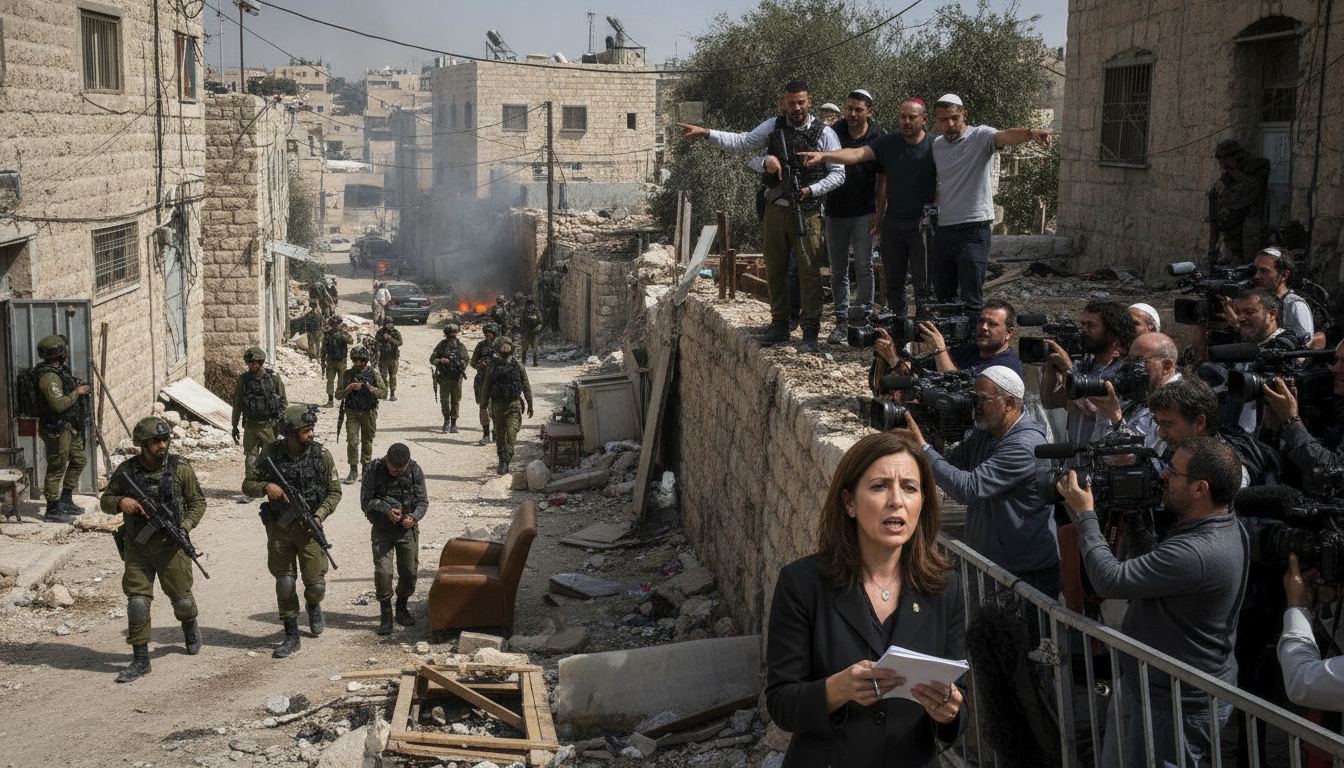
Following the attack, Israeli military and police activity increased in several West Bank districts, according to residents and organizers. Reports describe night raids on homes, heightened checkpoint activity, and a larger presence of security forces in towns that had previously seen sporadic deployments. Israeli authorities framed the measures as necessary to restore security, while residents said the operations imposed severe restrictions on daily life and movement.
Human rights voices raise alarm
Human rights advocates have sharply criticized the response, saying it risks disproportionate harm to civilians and may breach international law. Author and activist Phyllis Bennis warned of an "increase in direct war crimes" with little sign of accountability, remarks echoed by others who track alleged abuses in the occupied territories. Several NGOs called for transparent investigations into both the settler attack and the subsequent security operations, urging governments and international bodies to press for adherence to legal norms.
Impact on Palestinian communities
Local health and municipal officials reported strain on medical services and disruptions to commerce as residents navigated curfews and road closures. Families described heightened fear, with some choosing to stay indoors amid reports of raids and arrests. Community leaders said the increased security presence amplified long-standing grievances over land, movement and access to basic services, and that the crackdown risked further fracturing daily life and economic activity.
Regional and international responses
Diplomatic sources and international organizations expressed concern about escalating violence and called for restraint from all parties. Some governments issued statements urging de-escalation and respect for civilian protection, while human rights groups demanded immediate, impartial probes into alleged crimes by both settlers and security forces. Observers cautioned that a failure to address root causes and to pursue accountability could fuel cycles of retaliation.
Legal and political implications
Legal experts noted that both the initial assault by settlers and heavy-handed security measures carry potential legal exposure under international humanitarian and human rights law. Advocacy groups emphasized the need for criminal investigations into violent acts and for oversight of security operations to prevent indiscriminate or collective punishments. Politically, the events have intensified debate within Israeli and Palestinian arenas about governance, security policy and the role of settler violence in the broader conflict.
The immediate prospects for a reduction in tensions remain uncertain as communities recover from the violence and authorities continue operations across the West Bank. Calls for transparent investigations and for protection of civilians are likely to persist, even as competing narratives about responsibility and security continue to shape the regional response.
