
Israel intensifies military campaign against Hezbollah with strikes across southern Lebanon
Israel intensifies strikes against Hezbollah in southern Lebanon on May 27, 2026, escalating tensions, complicating talks with Iran and raising regional alarm.
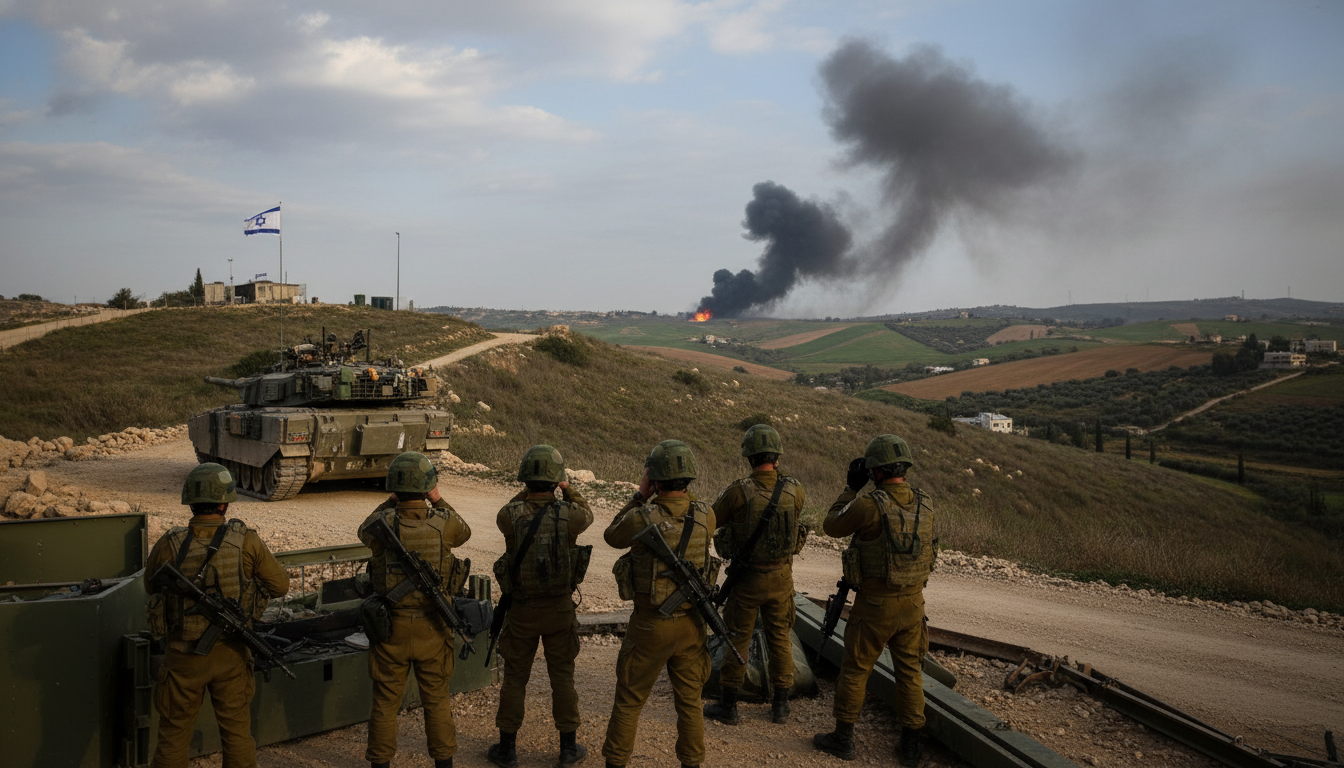
The Israeli campaign against Hezbollah intensified on Wednesday, May 27, 2026, as air and artillery strikes pounded southern Lebanon, signaling a sharp escalation along the border. The strikes, reported across multiple frontline districts, are complicating diplomatic efforts aimed at ending the U.S.-Israeli war with Iran. Smoke rising over villages and hillsides underscored the risk to civilian areas as the military operation widened.
Israeli Strikes Hit Southern Lebanon
Israeli strike activity concentrated on towns and routes in southern Lebanon, where footage and on-the-ground descriptions showed plumes of smoke and damaged infrastructure. Military sources described the strikes as part of a deliberate push to target facilities and positions associated with Hezbollah operations.
The tempo of operations on May 27 marked a notable increase from previous weeks, with strikes occurring across a broader area and at higher intensity. Observers say the scale of the campaign has raised fears of a protracted cross-border confrontation.
Hezbollah Response and Border Exchanges
Hezbollah has long maintained an armed presence along the Lebanon-Israel frontier, and analysts warn that intensified Israeli operations raise the prospect of sustained exchanges of fire. The latest strikes risk prompting retaliatory actions that could further deepen instability along the border.
Local residents and municipal officials reported growing unease as civilians sheltered and roads were disrupted. The pattern of stepped-up strikes and the potential for tit-for-tat attacks has heightened concerns among communities on both sides of the frontier.
Diplomatic Fallout and Iran War Talks
The timing of the strikes complicates parallel diplomatic efforts, including negotiations aimed at ending the wider U.S.-Israeli conflict with Iran. Officials engaged in those talks have expressed concern that heightened hostilities on secondary fronts could derail delicate progress toward a cessation of hostilities.
Diplomats said that maintaining momentum in negotiations requires an immediate de-escalation of regional flare-ups. The renewed military pressure in southern Lebanon introduces new obstacles for mediators trying to secure an agreement acceptable to the parties involved.
Civilian Impact and Humanitarian Concerns
Images from the affected areas showed smoke drifting over villages and hillsides, and residents described damage to homes and public infrastructure. Humanitarian actors warned that even limited strikes can multiply civilian suffering by disrupting water, power and local markets.
Emergency services reported a rise in displaced families seeking shelter away from frontline towns. Aid agencies are preparing for increased humanitarian needs if the campaign persists or expands, with priority concerns including shelter, medical care and safe access to relief.
Regional Security Calculus and Military Objectives
Israeli officials framed the operation as necessary to degrade Hezbollah’s operational capabilities and deter further cross-border attacks, while security experts noted that the campaign fits a broader pattern of targeted strikes. Such operations have previously aimed to disrupt weapons storage, command nodes and logistics pathways used by militant groups.
The broader regional calculus now balances military aims against the risks of escalation. Any sustained clash with Hezbollah could draw in additional actors and complicate lines of communication between regional powers already engaged in the wider conflict involving Iran.
International Concern and Calls for Restraint
The escalation has drawn concern from international capitals and regional organizations, which have urged restraint on all sides. Diplomatic channels are active, with envoys seeking to prevent the conflict on the Lebanon border from expanding into a wider regional conflagration.
U.N. observers and humanitarian groups emphasized the need to protect civilians and preserve access for relief operations. International officials stressed that de-escalation would be essential to preserving the fragile diplomatic openings that still exist.
The situation along the Israel-Lebanon border remains fluid, with military activity and diplomatic efforts evolving in parallel. As strikes continue to affect populated areas and as talks to address the broader U.S.-Israeli conflict with Iran proceed, regional leaders and international mediators are watching closely for signs of either a rapid de-escalation or a further widening of hostilities.
