
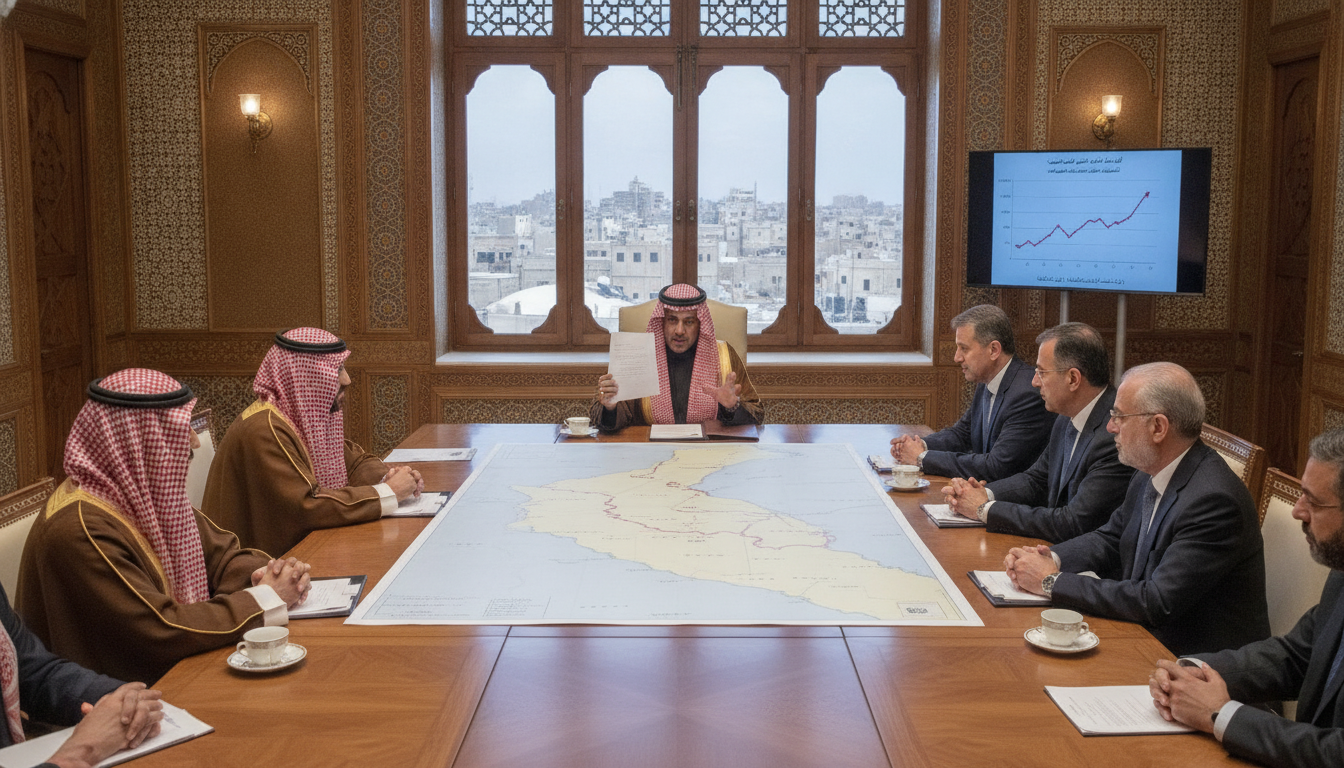
Houthi militia presses Saudi Arabia amid regional tensions to win political concessions in Yemen
Iran-backed Houthi militia uses Saudi reluctance for war to press for concessions in Yemen, seeking increased authority, control of resources and influence.
The Iran-backed Houthi militia has intensified pressure on Saudi Arabia and regional actors at a moment of perceived Saudi vulnerability, aiming to extract political concessions that could expand its authority in Yemen. The group’s strategy appears designed to exploit Riyadh’s reluctance for another large-scale conflict while reshaping the balance of power inside Yemen. Observers say the Houthis seek both formal recognition of governing roles and greater access to the country’s economic resources. The shift carries implications for regional security, maritime commerce and humanitarian conditions in Yemen.
Houthi strategy and immediate objectives
The Houthi militia has leveraged asymmetric tactics to increase its bargaining power, combining sporadic military actions with political messaging. By staging targeted operations and demonstrating endurance, the group seeks to signal it can impose costs without provoking an all-out Saudi response. Its immediate objectives include gaining formal political concessions in any national arrangement and securing control over key revenue streams. Analysts warn these moves are meant to translate battlefield positioning into long-term influence over Yemen’s institutions.
Saudi calculus and a desire to avoid escalation
Saudi Arabia’s leadership has shown caution about re-entering a protracted conflict, prioritizing de-escalation while protecting its security interests. That reluctance stems from war fatigue, economic concerns and the risk of wider regional entanglement. Riyadh’s approach has therefore combined defensive measures with diplomatic outreach and pressure on international partners to help contain the threat. The Saudi calculation gives the Houthis a strategic opening to press for gains short of triggering full-scale retaliation.
Political concessions being sought inside Yemen
The concessions the Houthi militia seeks are both institutional and economic, aiming to legitimize its role and to secure resources that underpin governance. Proposals circulating among stakeholders include expanded representation in transitional bodies, control over local ministries, and a share of revenues from ports, oil, and taxation. For the Houthis, formal authority would cement their ability to implement policy and extract resources to sustain their operations. Opponents argue such concessions could entrench a factional settlement that sidelines other Yemeni actors.
Regional security and commercial repercussions
Escalation risks ripple effects across the Red Sea and Gulf shipping lanes, where commercial traffic can be disrupted by militant actions and military countermeasures. Insurance costs, rerouting, and delays increase the economic toll on global trade when tensions rise. Neighboring states have an interest in preventing disturbances that would imperil energy exports and supply chains. The Houthi militia’s moves therefore have implications beyond Yemen’s borders, prompting coordinated monitoring and contingency planning among states and maritime operators.
Humanitarian and domestic governance consequences in Yemen
Any shift in power that strengthens the Houthi militia will have direct consequences for Yemen’s humanitarian situation and governance capacity. Control over ports and revenue sources can determine the flow of aid and the state’s ability to provide basic services. Humanitarian organizations warn that politicizing access to resources could exacerbate shortages and hinder relief operations. Conversely, a negotiated settlement that includes robust safeguards for aid delivery would be required to avoid deepening the country’s humanitarian crisis.
International responses and diplomatic pressure
Global and regional actors have responded with a mix of diplomacy, sanctions, and calls for restraint, seeking to avert renewed conflict while condemning destabilizing actions. Multilateral bodies and key states emphasize the need for a negotiated political process that addresses grievances across Yemen’s factions. Some countries are urging a return to talks with concrete guarantees on power-sharing and resource allocation. The Houthi militia’s reliance on external support and regional alignment makes diplomatic channels both complex and essential to any durable resolution.
The trajectory of events will depend on whether the Houthi militia can convert tactical pressure into lasting political gains and whether Saudi Arabia and international partners are willing to accept compromises that reshape Yemen’s governance. Any settlement that elevates one armed group’s authority without broad national buy-in risks entrenching instability. Observers say a sustainable outcome must balance security guarantees, transparent resource management, and protections for humanitarian access while involving a wide array of Yemeni stakeholders.
