
Indonesia school meal programme linked to food poisoning hospitalises more than 500 students
More than 500 students were hospitalised after suspected food poisoning tied to Indonesia’s school meal programme; authorities launched probes into the $4.3 billion free-meal initiative. (Published Sept. 2, 2026)
Strong opening: mass hospitalisations reported after school meals
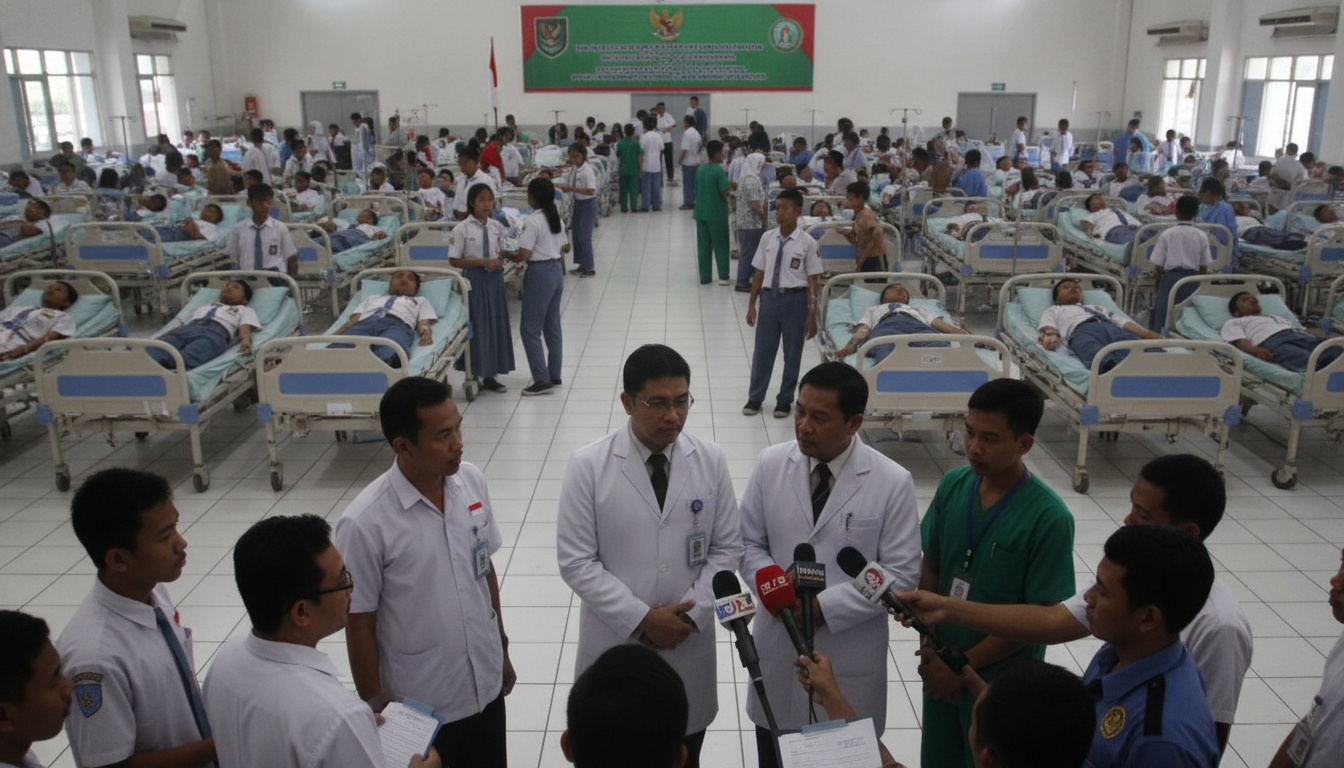
More than 500 students were taken to hospital after eating state-supplied meals on Tuesday, Sept. 1, 2026, in an incident that has intensified scrutiny of Indonesia’s school meal programme. Health officials described the cases as consistent with foodborne illness, and local hospitals reported an influx of children with gastrointestinal symptoms. The illness follows earlier reports that linked thousands of similar cases to the nationwide free-meal initiative introduced last year.
Geography and scale of the incident
The hospitalisations were reported across multiple schools in several districts, according to local officials who briefed the press on Wednesday. Emergency departments treated children presenting with vomiting, diarrhea and abdominal pain, and most were discharged after observation and supportive care. Authorities said preliminary counts exceeded 500 patients, while investigations continued to determine if cases were confined to particular suppliers or regions.
Suspected connection to the $4.3 billion free-meal programme launched in 2025
The affected meals were provided through a government-funded programme launched in 2025 that aimed to deliver free lunches to schoolchildren nationwide. Officials acknowledged the suspected link between the recent hospitalisations and the school meal programme and said the scale of prior reports — described by officials as numbering in the thousands since the programme began — required urgent review. The government has defended the programme’s objectives but faces growing pressure to establish how food safety safeguards were managed during procurement and distribution.
Health response and clinical care
Medical teams prioritized stabilizing children with dehydration and other complications, using rehydration therapies and monitoring in paediatric wards where necessary. Hospitals reported no confirmed fatalities related to the outbreak, and most patients were described as in stable condition after initial treatment. Public health units have begun collecting food samples and patient specimens to test for bacterial, viral and chemical causes as part of a forensic food-safety investigation.
Investigations and government action
National and local health authorities said they had opened formal probes to establish the cause of the illnesses and to identify any lapses in food preparation, transportation or storage. Inspectors from health and education agencies were dispatched to kitchens, distribution centres and supplier facilities to review hygiene practices and records. Officials also indicated that procurement contracts and quality-control procedures would be audited to determine whether immediate suspension of particular suppliers or menu items was warranted.
Community and parental reaction
Parents, teachers and community leaders expressed alarm and demanded clearer information and faster action from authorities following the hospitalisations. Some schools reported temporarily suspending meal services while waiting for test results and guidance from health officials, prompting concern that disruptions could affect nutrition for vulnerable students. Civil society groups called for transparent disclosure of inspection findings and for strengthened oversight of contractors involved in the government-funded programme.
Potential policy and political consequences
The incident is likely to reverberate beyond immediate health concerns, raising questions about implementation of large-scale welfare programmes and the capacity of local systems to ensure food safety. The $4.3 billion school meal programme was launched with wide political support as a measure to tackle childhood hunger and boost school attendance, but the outbreak has prompted calls for reforms in procurement, storage, and daily supervision. Lawmakers and opposition figures signalled plans for hearings and inquiries to determine accountability and to propose measures that would restore public confidence.
The situation remains fluid as laboratory results and official reports are expected in the coming days, and authorities have pledged to publish findings as soon as they are available to inform next steps.
