
Hillary Paine Found Her Husband on Tinder While Working on the App
Hillary Paine, ex-Tinder product lead, says she met her husband on Tinder. She frames the app as vital for human connection despite mixed statistics and trends.
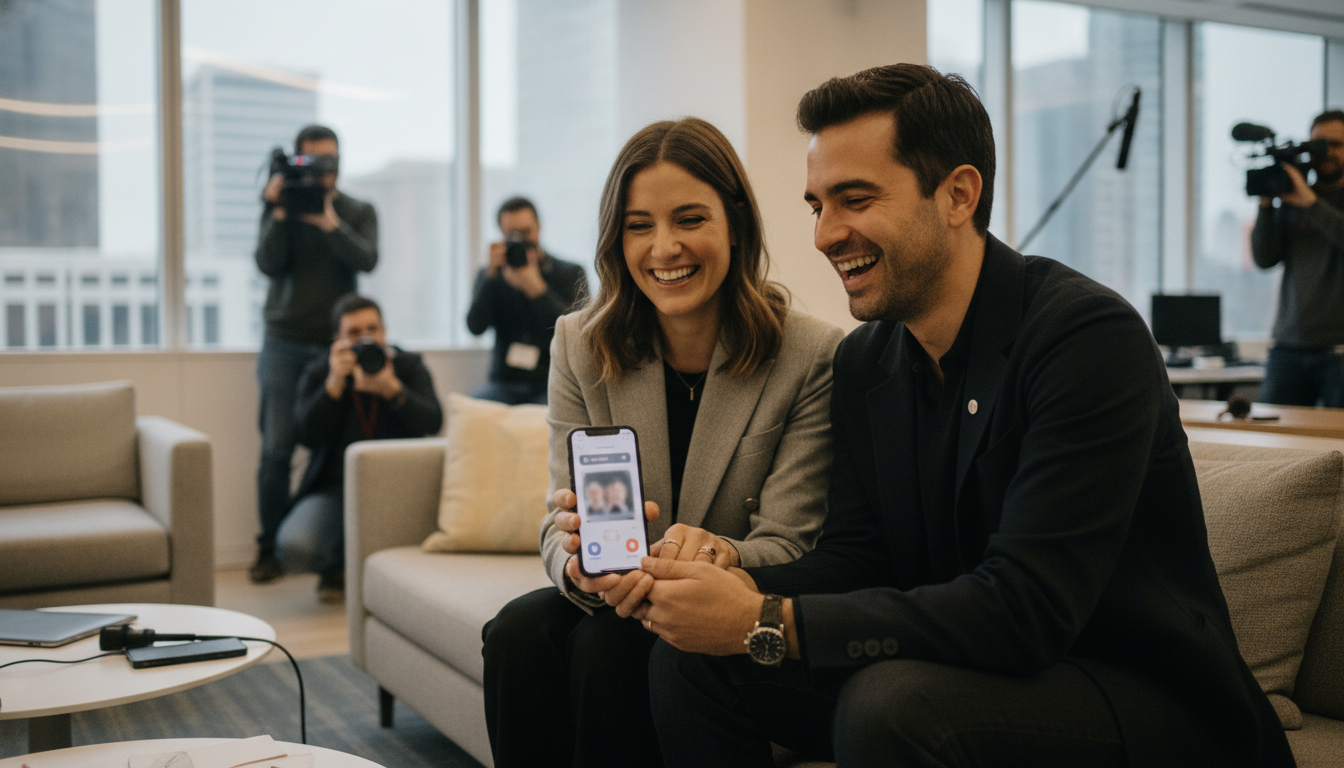
Hillary Paine, who has worked on the product side of Tinder, told reporters she met her husband after swiping right on the dating app while living in Los Angeles. Paine described the encounter as a personal validation of the platform’s power to create meaningful connections. Her account has drawn attention because she occupied a senior product role at the company while finding a partner through the same service.
Paine’s Personal Account
Hillary Paine recounted how a single right swipe led to a relationship that culminated in marriage, and she used the anecdote to underline a broader point about human connection. She told listeners that being matched on the app felt emblematic of why dating technology exists in the first place. Paine’s framing emphasizes individual success even as broader data on dating outcomes remains uneven.
Her story is not presented as a universal outcome, and she acknowledged the limits of anecdote when compared with population-level trends. The personal narrative has nonetheless become a talking point for users and industry observers who view it as a human illustration of product goals. That juxtaposition—personal success set against mixed statistics—fuels much of the current debate about dating platforms.
Role and Responsibilities at Tinder
As a former product lead at Tinder, Paine focused on features intended to improve matching and engagement among users. Her work reportedly involved decisions about user experience, swipe mechanics, and prompts designed to encourage conversation. Those product choices aim to translate design into the kinds of interpersonal connections she described.
Product leaders at major dating companies balance user growth, retention, safety protocols, and monetization while trying to preserve authentic connection. Paine’s dual perspective as a product executive and a user who found a lasting match offers rare insight into how product decisions can align—or sometimes clash—with user realities. Her tenure at the company places her anecdote in a professional context that observers find notable.
Limits of Anecdote Versus Population Data
Industry analysts caution that one person’s success on an app does not equate to broad-based outcomes for millions of users. Large-scale surveys and academic studies frequently show a range of experiences, with some users finding long-term partners and others encountering frustration or superficial interactions. The contrast between Paine’s experience and aggregate data underscores the diversity of user journeys on Tinder.
Experts point out that platform algorithms, user demographics, and individual intentions all shape outcomes, making it difficult to draw firm conclusions from single cases. Policymakers and researchers monitoring online dating continue to seek more granular data on relationship longevity, user satisfaction, and safety. That research agenda influences how companies prioritize product changes and public messaging.
Design Choices and Emphasis on Connection
Tinder’s design—characterized by quick visual decisions and gamified swiping—was built to create low-friction matches at scale. Product teams have experimented with prompts, profile features, and conversation starters to encourage more substantive engagement after a match. Paine’s comments about the primacy of human connection reflect an internal product rationale that seeks to move users from a match to an actual conversation and, potentially, a relationship.
Designers say that small interface changes can substantially affect user behaviour, from the willingness to message to the tone of conversations. Companies increasingly incorporate research from psychology and behavioral economics into feature development to nudge healthier interactions. Paine’s example is often cited by product teams as a reminder that design decisions have real social consequences.
Public Reaction and Industry Context
Reaction to Paine’s anecdote has been mixed: some users welcomed the story as affirmation that the app can deliver meaningful outcomes, while critics reminded audiences that individual success stories do not erase persistent challenges. Commentators have highlighted concerns about representativeness, bias in matching algorithms, and unequal outcomes across age, gender, and geographic groups. The conversation has invited broader scrutiny of how dating platforms present success narratives.
Industry observers also note that companies frequently highlight success stories as part of branding and recruitment, which can obscure more complicated user experiences. Those tensions between marketing and lived experience are common in tech sectors where personal stories are powerful public relations tools. Paine’s case, because of her professional role, has amplified those dynamics.
Implications for Future Product Work
Paine’s account could influence ongoing product discussions at Tinder and across the dating-app sector, particularly around features that encourage meaningful interaction rather than endless casual matches. Product teams are likely to continue experimenting with prompts, verification tools, and conversation mechanisms that support deeper engagement. Paine’s dual identity as a product professional and a user who found a partner may shape internal priorities for a period.
Companies balancing growth and user well‑being will watch how audiences respond to messages that blend personal narrative and product advocacy. The broader industry conversation will likely keep product teams attentive to both anecdotal successes and large-scale data when refining their road maps.
Hillary Paine’s story underscores the complicated relationship between individual experiences and platform-level evidence, reminding users and designers alike that a single match can change a life even as many outcomes remain uncertain.
