
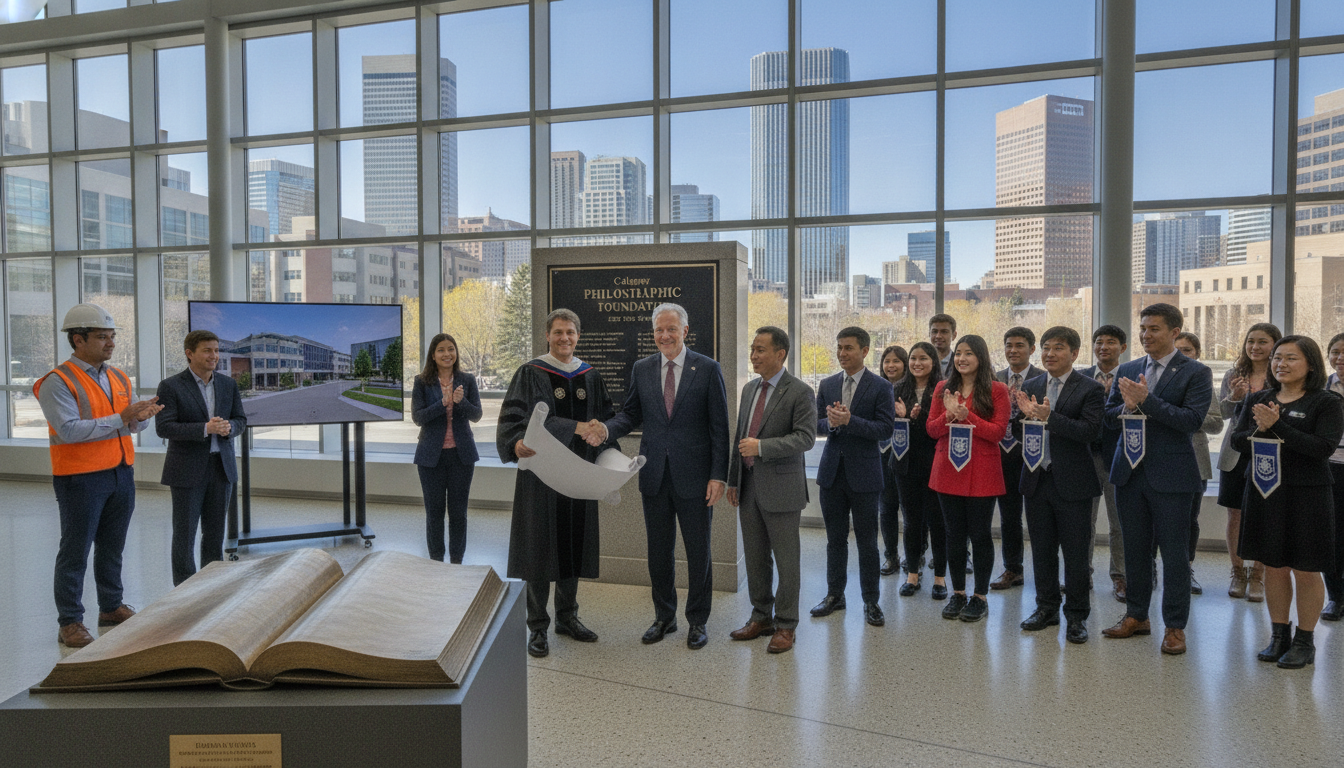
Calgary philanthropist hailed for transformative support across hospitals, universities and community groups
A longtime Calgary philanthropist received broad praise this week for a lifetime of giving that officials say has left a lasting imprint on the city’s hospitals, universities and community organizations. The Calgary philanthropist has been credited with sustained leadership and financial support for medical research, post-secondary programs, sports teams and dozens of local causes. City and institutional representatives described his contributions as foundational to services and programs that Calgarians rely on every day.
City leaders and institutions issue joint tribute
City officials and leaders from major institutions released statements acknowledging the philanthropist’s role in bolstering public services and civic life. They noted that his support reached across the municipal landscape, strengthening health care capacity and academic research without seeking public credit. The collective tribute emphasized continuity — that many programs now taken for granted were accelerated by his leadership and sustained funding.
Representatives framed the recognition as both a thank-you and a prompt to others to invest in community institutions. Several statements highlighted that the donor preferred to let organizations use funds where needs were greatest, a practice officials said amplified impact. The tone of the tributes suggested a coordinated civic acknowledgement rather than a single, high-profile naming event.
Hospitals and research programs expanded with private support
Health-care leaders said philanthropic funding enabled infrastructure upgrades, patient services and researcher recruitment that would have been difficult to achieve through public budgets alone. The Calgary philanthropist’s initiatives were credited with helping to create or expand programs focused on clinical care, training and translational research. Hospital spokespersons described donations as catalytic — unlocking provincial and federal grants and attracting research partnerships.
Medical researchers framed the support as a long-term investment in capacity and talent retention. Several academic and clinical teams reported that private gifts helped them pursue projects more quickly and competitively, especially in areas where start-up funds and matching dollars are essential. Those donor-directed and flexible funds were repeatedly cited as the difference between slow planning and rapid implementation.
Universities say endowments and scholarships reshaped access
University administrators attributed new scholarships, faculty chairs and programmatic investments to sustained philanthropic backing. Officials said these resources improved access for students and created endowed positions that boost research profiles. The Calgary philanthropist’s support was described as both strategic and wide-ranging, benefiting undergraduate programs as well as graduate-level research.
Campus leaders also highlighted the multiplier effect: endowed funds often encourage additional gifts and collaborative partnerships. That virtuous cycle, they said, has strengthened curricular offerings and supported experiential learning tied to the local economy. Faculty noted that sustained private funding allows universities to plan beyond annual budgeting cycles.
Community sport and cultural organizations benefited from steady backing
Sports clubs and cultural groups credited private donations with helping maintain facilities, youth programs and community outreach initiatives. Officials responsible for amateur sport development said philanthropic dollars kept registration fees lower and expanded programming into under-served neighbourhoods. Cultural institutions similarly pointed to contributions that enabled touring exhibitions, performance residencies and free community events.
Leaders in these sectors emphasized practical outcomes: more kids in sport, more stages for local artists and a broader range of free or low-cost public offerings. The continuity of support was repeatedly described as critical, because short-term grants rarely cover operating costs that keep programs running between funding cycles.
Philanthropic approach emphasized partnership and discretion
Sources close to the benefactor described an approach that prioritized partnership with institutional leaders rather than public attention. That discretion, they said, was deliberate: funding was designed to complement public investment and leave operational decisions to experts. Institutional partners praised that model for delivering results without creating dependency on high-visibility donations.
Officials also pointed to governance practices that accompanied major gifts, such as clear reporting and joint planning committees. Those structures helped ensure donations aligned with long-term institutional strategies and community needs. Wherever possible, organizations said they sought to use gifts to leverage additional public and private resources.
Long-term legacy seen in named programs and daily services
The tangible legacy of sustained philanthropies shows up both in named programs and in routine services that Calgarians now expect. From endowed research chairs to community programs with steady operating support, the effect has been both symbolic and functional. Institutional leaders said those legacies will shape local capacity for years to come.
At the same time, civic voices urged the broader philanthropic community to learn from the model of steady, strategic giving. They argued that the strongest impact often comes from a combination of flexible funding, partnership with public bodies and patience to see projects through multiple phases.
The outpouring of institutional gratitude underscored a simple civic truth: long-term private support can accelerate public goods when coordinated with expertise and public investment. As Calgary looks ahead, leaders say the challenge will be to translate admiration into continued partnership across health care, education, sport and community services so that the city’s institutions remain resilient and responsive.
