
Alberta energy exports at center of renewed Canada-U.S. trade tensions
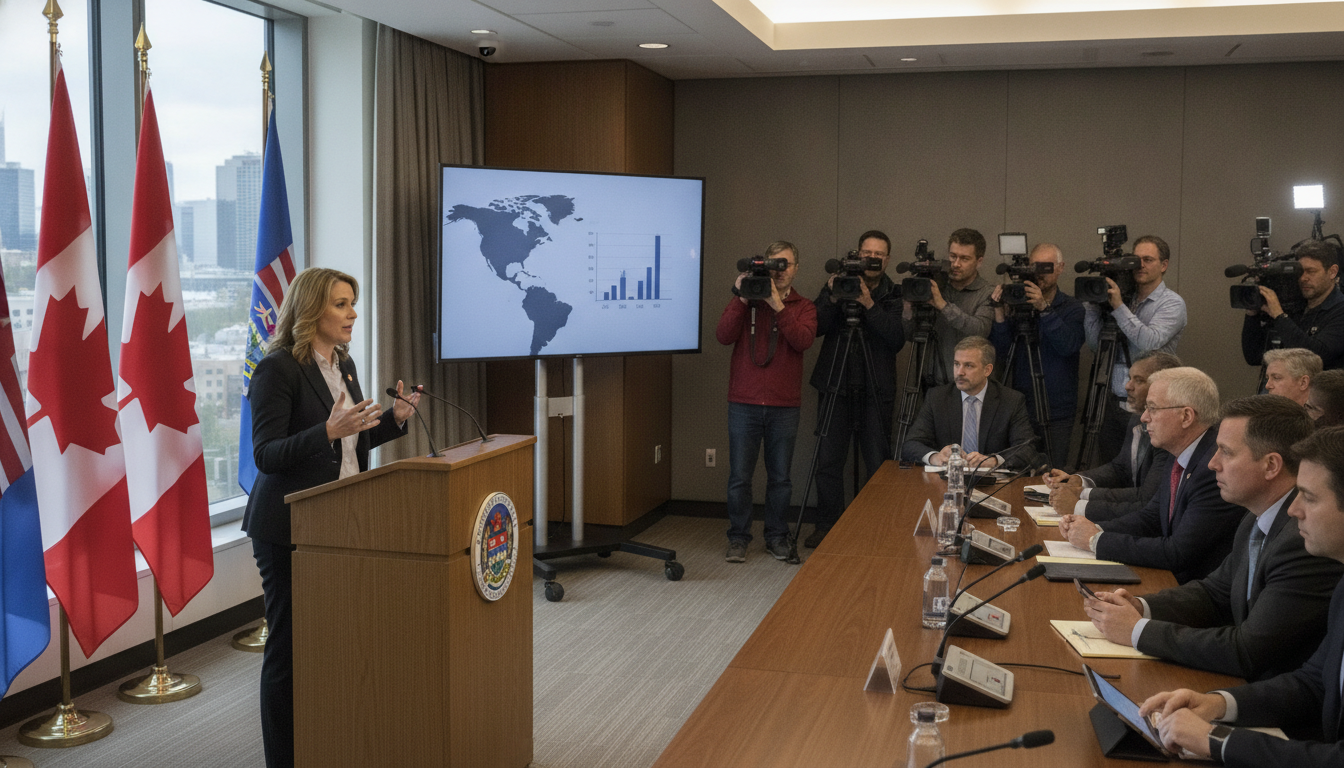
Alberta energy exports to the United States are under fresh scrutiny as provincial leaders and industry experts push back against proposals to use oil and gas as trade leverage amid rising bilateral tensions. The debate over export levies, strategic reserves and market diversification is intensifying in Edmonton and Ottawa.
Energy trade flows to the U.S.
According to the Canadian Energy Regulator, most of Canada’s oil, natural gas and refined petroleum product shipments are destined for the United States, making Alberta a critical supplier to its southern neighbour. That concentration has prompted officials to caution that any disruption to flows could have wide-ranging effects across energy markets and regional economies.
Pipelines and cross-border infrastructure underpin the trade, channeling crude and gas from Alberta’s fields into U.S. refineries and distribution networks. The physical integration of the two markets increases the economic frictions that arise when trade relations sour.
Alberta political response
Alberta’s premier, Danielle Smith, has publicly warned against weaponizing the province’s energy sector in the bilateral dispute, arguing that punitive measures would harm Canadian jobs and provincial revenues. "Doing so would absolutely devastate the Canadian economy — it would not only extinguish the livelihoods of hundreds of thousands of Albertans, it would economically hobble our friends and neighbours in other provinces," she said in a recent statement.
Provincial officials frame the sector not only as an engine of Alberta’s economy but as a contributor to nationwide fiscal stability, and they are seeking to minimize moves that would inflict self-harm. The pushback reflects concern that short-term political signaling could cascade into long-term market and employment damage.
Economic costs of export levies
Economists and industry analysts warn that an export levy on oil and gas shipments to the U.S. would likely raise production costs, depress investment and reduce competitiveness for Canadian producers. When a single trading partner accounts for a large share of exports, targeted tariffs or levies can quickly translate into lower output and higher domestic prices.
Those downstream impacts could ripple into other sectors of the economy through job losses, lower royalty revenues and reduced municipal and provincial tax receipts. Observers say the net effect of such a levy would be to transfer pain to Canadian households and companies while doing little to change the political dynamics driving the dispute.
Alternatives proposed by experts
Some energy observers argue that expanding Canada’s customer base would be a more constructive response than punitive measures against the United States. Diversifying export routes and end markets, proponents say, would reduce dependency without triggering sharp economic fallout at home.
A separate proposal from a former adviser to ex-premier Jason Kenney suggests creating a strategic Canadian oil reserve as a tool of policy and market stability. Proponents contend a reserve could provide leverage in negotiations while smoothing supply disruptions, although establishing and managing such a reserve would carry significant fiscal and logistical costs.
Market context and global demand
Global energy markets remain fluid, and demand patterns are shifting as countries pursue different mixes of fossil fuels and renewables. While Alberta’s hydrocarbons continue to find buyers, long-term pricing and investment decisions are increasingly influenced by policy choices in importing countries and by technological changes in energy systems.
For producers, the immediate priority is predictable market access and regulatory clarity to support capital expenditure and maintain workforce stability. Shifting trade strategies will require coordination between provincial regulators, industry and the federal government to avoid unintended market fractures.
Federal-provincial coordination questions
The debate has intensified questions about the appropriate role for federal authorities in defending national trade interests while protecting provincial economies that depend heavily on energy exports. Ottawa faces the challenge of managing diplomatic tensions without imposing measures that would undercut domestic producers or provincial finances.
Policy experts say any effective approach will need to balance short-term diplomatic tactics with long-term market diversification, infrastructure investment and regulatory certainty. That balance will be central to preventing trade disputes from becoming sustained economic shocks.
As the conversation over Alberta energy exports continues, stakeholders caution that the most damaging outcomes would stem from reactive policies that neither address the root causes of the bilateral friction nor build resilience in Canada’s energy sector.
