
Gaza marks 1,000 days of conflict as reconstruction talks and West Bank violence intensify
Gaza marks 1,000 days since major fighting began, with officials reporting widespread destruction, rising casualties and stalled medical evacuations amid contested reconstruction plans.
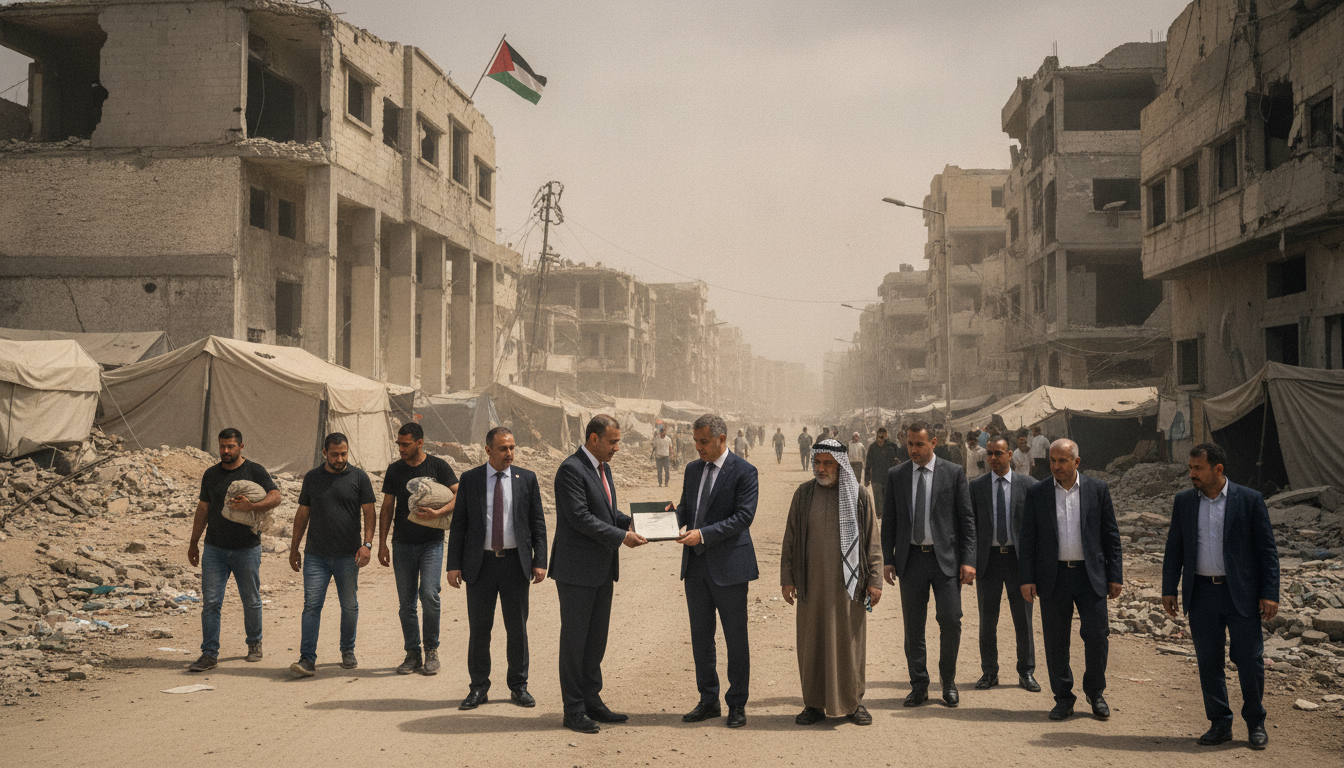
Gaza has reached a grim milestone as residents and authorities mark 1,000 days of large-scale conflict, highlighting the enclave’s humanitarian collapse and the fraught politics of rebuilding. By July 6, 2026, Gaza’s Ministry of Health reported 1,072 deaths since last October’s declared ceasefire period and a cumulative toll of 73,098 fatalities since October 2023. Gaza’s Government Media Office said more than 90 percent of the territory’s infrastructure has been damaged or destroyed, underscoring the scale of the recovery challenge.
Recent strikes and civilian casualties
Israeli strikes and drone attacks continued through the anniversary week, causing fresh civilian deaths and further displacement. Local field reports documented multiple fatalities in early July, including children killed in strikes near Khan Younis and at the Shujayea junction. Aid workers and hospital officials said tents and makeshift shelters in designated humanitarian zones were struck repeatedly, compounding the needs of families already uprooted.
Health system collapse and evacuation logjam
Gaza’s health sector remains severely strained, with shortages of medical supplies and shuttered facilities across the Strip. Hundreds protested outside al-Shifa Hospital in Gaza City this week to demand that Israel ease restrictions on medical evacuations, and Gaza health authorities said more than 20,000 people remain registered and waiting for exit permissions through a limited Rafah crossing. The arrest and reported deterioration of prominent medical figures have intensified concerns about detainee welfare and the capacity to treat the wounded.
Detention concerns and international calls
Relatives and independent bodies have raised alarms over the condition of detained medical staff, with family members reporting severe health decline and the UN Working Group on Arbitrary Detention calling for releases. The son of the director of Kamal Adwan Hospital said his father was in poor health after prolonged detention, alleging mistreatment during custody. International human rights experts have characterized prolonged detention without transparent legal process as a matter requiring urgent review.
Shifts in governance and reconstruction proposals
Diplomatic discussions have begun to shape a possible transfer of administrative authority for parts of Gaza, with talks in Ayia Napa involving a US-led Board of Peace and international figures aimed at coordinating reconstruction. Gaza’s Hamas-run government announced its resignation and indicated it would cede operational authority to a technocratic committee appointed by the Board of Peace under a US-backed plan, though handover of real control has not been completed. The proposed changes hinge on prerequisites such as a unified governing authority and questions over the disarmament of armed groups, which remain unresolved.
Controversy over UNRWA and refugee services
The Board of Peace has suggested excluding the UN agency for Palestinian refugees from a role in the new governance arrangements, a move the Palestinian leadership rejected as an attempt to sideline the refugee issue. Palestinian officials and international advocates warned that removing UNRWA from reconstruction and relief would have immediate humanitarian consequences for hundreds of thousands of displaced people. The dispute over the agency’s role underscores the political tensions entwined with humanitarian operations and long-term recovery planning.
Settlement expansion and West Bank developments
Meanwhile, Israeli authorities advanced settlement and development initiatives that Palestinian leaders say aim to consolidate territorial control in the occupied West Bank. On July 3 and in subsequent announcements, plans were approved for new settlements and the legalisation of outposts in key areas, while a foundation-laying ceremony at the former Qalandia Airport signalled further development projects near East Jerusalem. Data cited by Palestinian research groups show a sharp increase in new outposts in recent years, reflecting an acceleration of settler construction that has alarmed international observers.
Restrictions, violence and displacement in the West Bank
Restrictions on movement and incidents of settler violence continued to drive displacement across the West Bank this week. Checkpoints and military gates have isolated towns, and local authorities reported that closures delayed urgent medical transfers, including in one instance where an infant died after being prevented from reaching an ambulance. Humanitarian agencies report thousands of Palestinians displaced so far this year, with damage to homes, agricultural infrastructure and public facilities adding to long-standing pressures on communities.
As Gaza marks its 1,000th day of conflict, the territory’s immediate humanitarian needs — medical care, shelter, water and power — remain acute while political disputes over governance and the role of international agencies complicate prospects for reconstruction. The intersection of ongoing hostilities, administrative handovers and settlement activity in the occupied territories points to a period of heightened risk for civilians and a challenging environment for any sustained recovery effort.
