
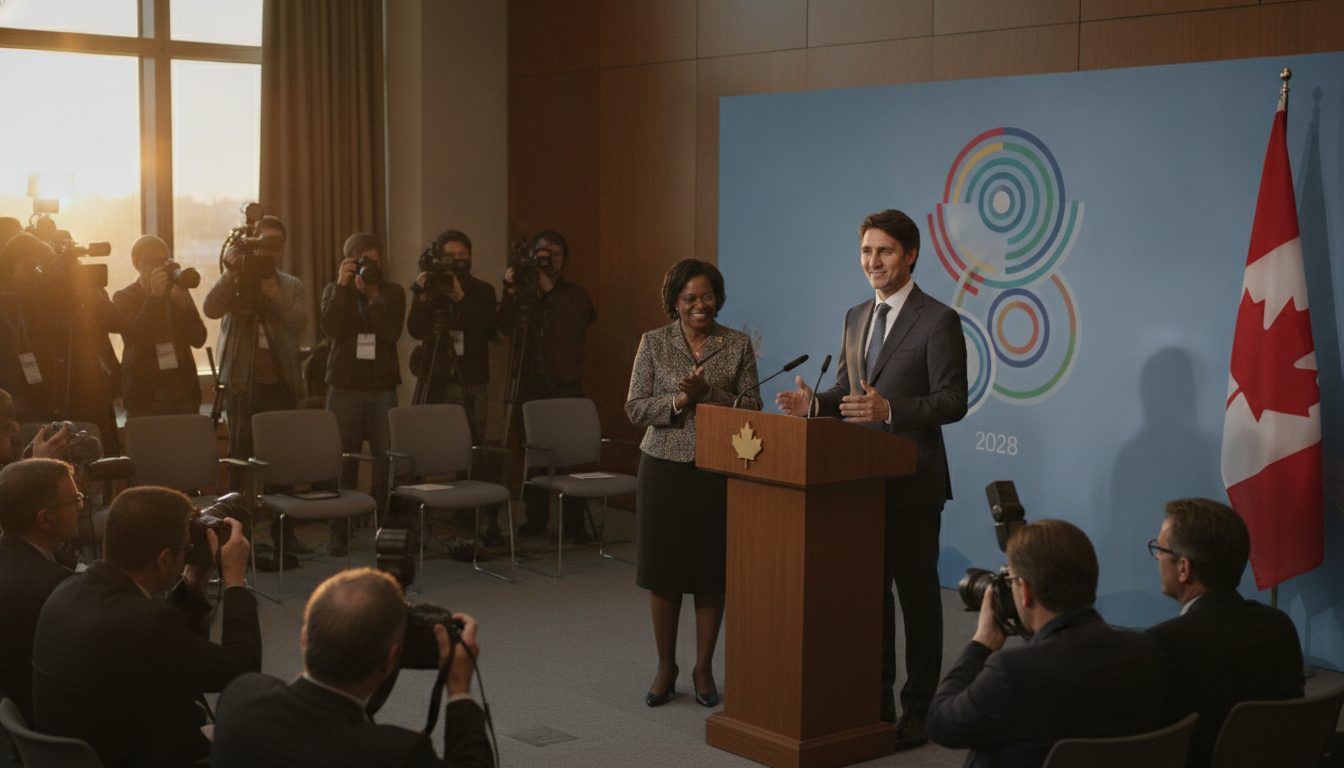
Canada to host the 2028 Francophonie Summit in Ottawa–Gatineau, prime minister announces
Canada will host the 2028 Francophonie Summit in the Ottawa–Gatineau region, announced July 1, 2026; officials foresee tourism, economic gains and bilingual services.
Prime Minister Mark Carney announced on July 1, 2026, that the national capital region has been recommended to host the 21st Summit of the Francophonie in 2028. The announcement, made during the Canada Day ceremony on LeBreton Flats, sets the stage for a major international gathering that organizers say will span both sides of the Ottawa River. The decision follows a recommendation from the Organisation internationale de la Francophonie and requires final ratification at the OIF summit in Cambodia this November.
OIF recommendation and next steps
The Organisation internationale de la Francophonie (OIF) issued a written statement confirming that the permanent council recommended Canada as host on Wednesday. That recommendation must be ratified at the OIF summit scheduled for November 2026 in Cambodia, a step the organization described as procedural. Officials involved in the process indicated they expect formal endorsement to follow the council’s recommendation.
Local governments to host cross-river programming
The prime minister’s office confirmed to national media that planned activities will be staged on both the Ontario and Quebec sides of the Ottawa River. City halls in Ottawa and Gatineau are already in early coordination talks with federal partners to map venues, cultural sites and security arrangements. Municipal leaders said this shared approach is intended to showcase the bilingual nature of the capital region and to distribute economic benefits across communities.
Reactions from Ottawa and Gatineau officials
Ottawa Mayor Mark Sutcliffe hailed the announcement as “a major win” for the city and the surrounding region, noting he has worked with federal officials on the bid for the past year. Sutcliffe said the summit is expected to draw delegations, visitors and francophone tourists from across the globe, delivering significant short-term economic activity. In Gatineau, local francophone advocates welcomed inclusion in the event, arguing the city should have a central role in program planning and cultural showcases.
Francophone organizations emphasize opportunity and challenge
National and regional francophone organizations reacted positively while urging concrete commitments to services and long-term support for French-language communities. The Fédération des communautés francophones et acadienne du Canada called the announcement a “wonderful gift” to the country and said the summit offers a platform to elevate Canadian francophone presence internationally. The Assembly of the Francophonie of Ontario highlighted the potential to advance the province’s cultural and economic interests and stressed the importance of leaving a lasting legacy of improved French-language services.
Economic and cultural impacts expected
Officials and stakeholders predict the 2028 Francophonie Summit will generate a boost to tourism, hospitality and the local cultural sector, with international delegations likely to patronize hotels, restaurants and venues across the capital region. Organizers said the event will create opportunities for francophone artists, cultural entrepreneurs and businesses to engage with global partners. Beyond short-term spending, proponents stressed the summit could catalyze longer-term investments in bilingual public services and francophone institutions.
Historical context and national significance
Although Ottawa and Gatineau previously hosted the Jeux de la Francophonie in 2001, this will be the first time the Summit of the Francophonie is held in Ontario. Canada has hosted the summit three times before, in Quebec City (1987 and 2008) and Moncton (1999), making the 2028 gathering a notable return for the country. Global Affairs Canada noted on its social channel that, to date, Canada is the sole candidate for the 2028 summit, a status that underscores the country’s central role within the international francophone community.
Preparations will now move from announcement to planning, with federal, provincial and municipal bodies expected to coordinate on logistics, programming and legacy objectives. Advocates across the francophone spectrum say they will press for tangible outcomes, including expanded services and stronger institutional support, so the summit leaves an enduring benefit for francophone Canadians.
