
Calgary manslaughter sentence appeal argues youth term exceeded legal maximum
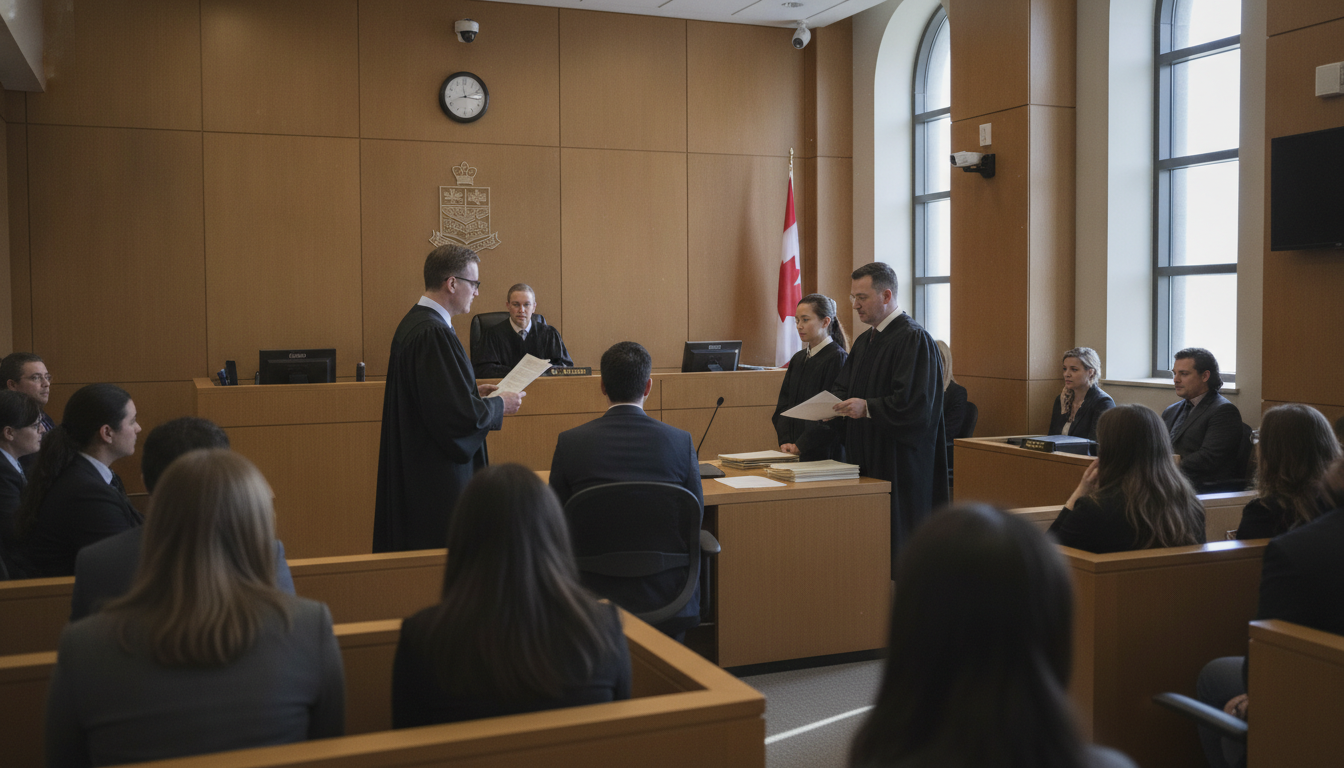
A Calgary Court of Appeal hearing reviewed two high-profile manslaughter sentencing appeals, including a challenge that a youth’s sentence exceeded the Youth Criminal Justice Act maximum. The Calgary manslaughter sentence appeal over the youth’s remand credit was a central issue in the courtroom, with lawyers arguing statutory limits and judicial discretion.
Youth’s Sentence Said to Exceed YCJA Limit
The appeal concerns an offender who was 16 at the time of the fatal stabbing of 18-year-old Danillo Canales Glenn on Sept. 5, 2023. Justice Eleanor Funk found the youth guilty of manslaughter and imposed what she described as the maximum Youth Criminal Justice Act sentence.
Defence counsel argued the sentence, when combined with 25 months of pre-sentencing custody at the Calgary Young Offender Centre, produced a term that exceeded the YCJA maximum of three years. The lawyer told the panel the court erred by not providing full one-for-one credit for remand time, which would have reduced or eliminated the custodial portion imposed at sentence.
Dispute Over Remand Credit Calculation
At issue is how much credit a youth should receive for time spent in custody before sentencing and whether courts may impose less-than-one-for-one credit based on the offender’s prospects for rehabilitation. The defence said the sentencing judge awarded only 18 months of credit, leaving the youth to serve an additional 12 months behind bars and six months of community supervision.
Crown counsel countered that sentencing judges have discretion to limit remand credit and to consider whether continued detention serves rehabilitative goals. The Crown urged the appeal panel to uphold the sentence, arguing courts may weigh the circumstances of the offence and the offender when calculating credit.
Facts of the Copperfield Rink Stabbing
The stabbing occurred at an outdoor basketball court in Copperfield, where the youth and his adult brother entered the rink while the victim and friends were present. One of the brothers deployed pepper spray and the other stabbed the 18-year-old, who later died of his injuries. The older sibling has pleaded guilty to manslaughter and is awaiting sentence.
The youth was held for 25 months before Justice Funk’s October sentencing decision, a lengthy remand period that is at the heart of the appeal. Under the YCJA, the maximum term for manslaughter is two years in custody followed by one year of community supervision, a limit the defence says the trial sentence surpassed.
Crown Emphasizes Seriousness and Rehabilitation Needs
During oral argument, the Crown stressed the gravity of taking a teenager’s life and pointed to the offender’s need for substantial rehabilitation. Prosecutors told the appeal panel that the sentencing judge properly exercised discretion and that the reduction in remand credit was justified by case-specific factors.
Crown counsel also noted that an early motion to treat the youth as an adult had been considered but later abandoned, leaving the judge to apply youth sentencing ranges. That procedural history figures into the defence’s argument that imposing a custodial sentence that, in effect, extended beyond the statutory maximum treated the young offender as an adult.
Separate Appeal Over 15-Year Manslaughter Sentence
In a separate appeal heard the same day, lawyers for Ronald Candaele challenged a 15-year manslaughter sentence imposed after the province’s top court reduced an original second-degree murder conviction. Candaele was convicted in the death of his wife, Melissa Rae Blommaert, in an incident that involved a vehicle and occurred in February 2020.
Defence lawyers told the appeal court that the trial judge overstated the offender’s moral blameworthiness and that a 15-year term was excessive for manslaughter. They acknowledged the conduct was among the more serious manslaughter cases but argued the sentencing judge erred in characterization and in weighing aggravating factors.
Crown Points to Aggravating Pattern and Weapon Use
Prosecutors rejected that submission, saying there were compelling aggravating circumstances that justified the sentence length. The Crown highlighted evidence of a pattern of intimate partner violence and emphasized that the offender used a fully loaded U-Haul truck to run over his wife, a factor the trial judge found significant.
The appeal panel heard argument that the sentencing judge had carefully balanced mitigating and aggravating factors before settling on a 15-year term. Justices reserved their decision in that appeal, which will determine whether the sentence stands or is reduced.
Final appeal rulings in both matters will clarify the boundaries of remand credit in youth sentencing and the extent to which appellate courts will interfere with trial judges’ assessments of blameworthiness and aggravating factors.
