
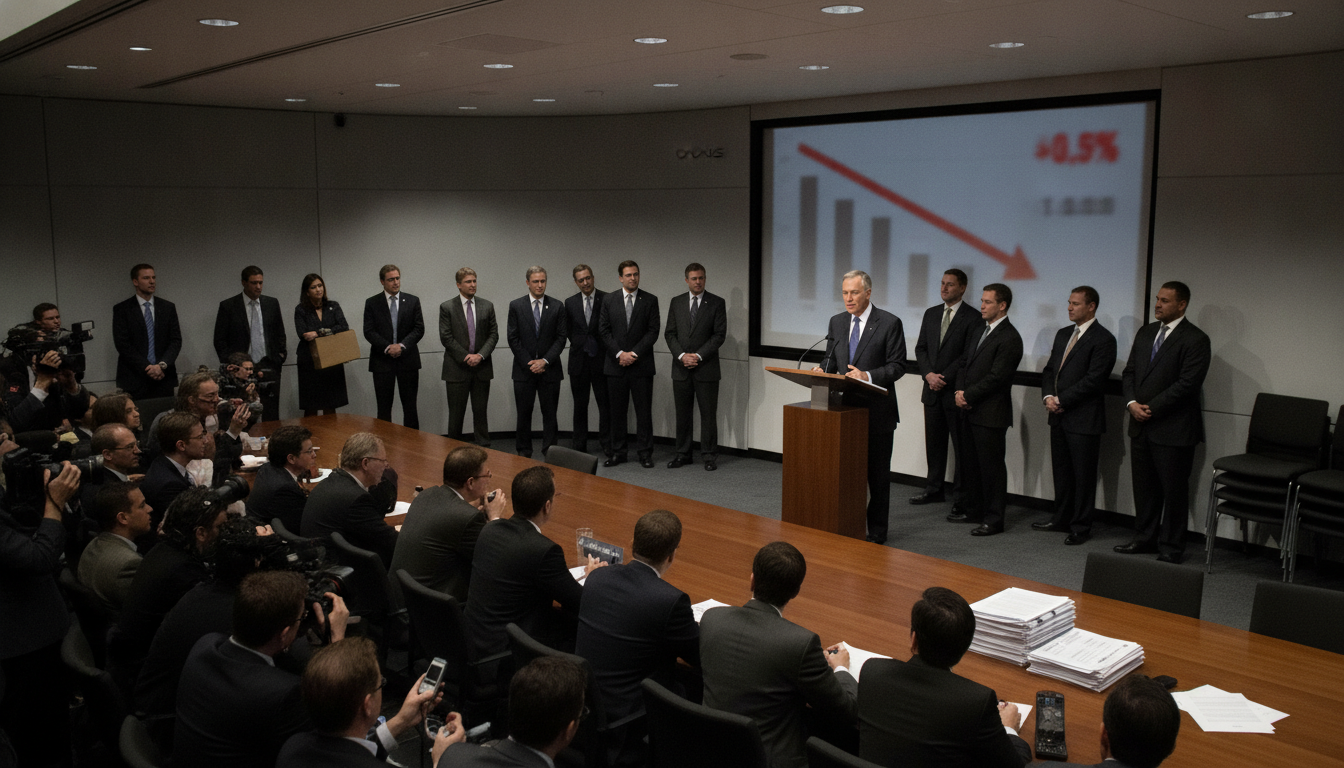
Oracle workforce shrinks to 141,000 as severance and restructuring costs surge to $1.84 billion
Oracle reports workforce reduced to 141,000 and records $1.84B in severance and restructuring costs, signaling a major global reorganization for investors.
Oracle reported a marked reduction in its global headcount and a sharp rise in restructuring charges, according to figures disclosed in the company’s annual report. As of May 31, Oracle listed 141,000 employees, down from 162,000 a year earlier, and recorded $1.84 billion in severance and related restructuring expenses. The workforce decline and cost increase underscore a significant reorientation of staffing and operations at the software and cloud giant. Investors and customers will be watching how the changes affect Oracle’s product delivery and profitability.
Oracle workforce falls to 141,000
As of May 31, Oracle’s employee count stood at 141,000, a reduction of 21,000 from the prior year figure of 162,000. The drop reflects cuts and reorganizations across multiple business units and geographies. Company disclosures show the decline was concentrated in areas the firm has been restructuring while it shifts resources toward cloud infrastructure and subscription services. The headcount change marks one of the biggest year-over-year workforce contractions at Oracle in recent memory.
Severance and restructuring costs jump to $1.84 billion
Oracle booked $1.84 billion in severance payments and other expenses tied to restructuring during the reporting period, compared with $374 million in the prior year. The surge in charges represents a near fivefold increase and signals the scale of the company’s personnel and operational adjustments. Those costs include severance pay, contract terminations, and other non-recurring expenses associated with reorganizing teams. Management characterized the spending as part of a broader effort to realign costs and accelerate strategic investments.
Year-over-year comparison highlights accelerated cuts
The company’s report frames the headcount and expense shifts as part of a planned transformation, but the year-over-year contrast is stark. A decrease from 162,000 to 141,000 employees represents roughly a 13 percent reduction in staff levels within a single reporting cycle. Similarly, restructuring-related charges climbed dramatically, indicating that a larger portion of the workforce change occurred recently rather than being spread out over several years. The rapid pace of change has added urgency to internal workforce planning and external communications to stakeholders.
Company rationale and strategic priorities
Oracle has reiterated a focus on expanding cloud infrastructure, AI-enabled services, and subscription revenue, priorities that often prompt redeployment of personnel. Executives have signaled that investments in data centers, software engineering for cloud products, and sales for recurring services are central to the firm’s growth strategy. The reported restructuring expenses suggest management is shifting resources from lower-priority areas into these strategic buckets. While such reallocations can improve long-term margin profiles, they also introduce short-term cost volatility and require careful execution.
Financial and investor implications
The $1.84 billion of non-recurring charges will weigh on reported operating results for the period in which they are recognized, though management typically distinguishes between one-time restructuring costs and ongoing operating performance. Analysts will likely adjust near-term earnings models to account for the charges while assessing potential long-term savings from a smaller, more focused workforce. Market reaction can hinge on whether investors view the cuts as necessary pruning or as indicative of deeper demand challenges. Oracle’s communication about projected cost savings and revenue trajectory will be a key factor in shaping investor confidence.
Potential impact on customers and product delivery
Customers may experience transitional effects as teams are reorganized and responsibilities shift, particularly in services that require hands-on support or customized implementation. Oracle has emphasized continuity of service and has said it aims to channel more resources into cloud engineering and automation to reduce reliance on large service teams. For enterprise customers, the concern will be whether product roadmaps and support levels remain stable amid the internal changes. Oracle’s ability to maintain service quality while accelerating product development will be central to customer retention and new sales.
The company’s disclosed figures on headcount and restructuring provide a clear snapshot of a sizable internal reshaping at Oracle. How effectively management converts the near-term disruption and expense into sustained efficiency and growth will determine whether this phase becomes a turning point or merely a costly adjustment. Longer-term outcomes will depend on execution in cloud expansion, timely delivery of AI and software updates, and clear communication with investors and customers.
