
Australia to Sell Over-the-Horizon Radar to Canada in C$2.5B Defence Deal
Australia will sell its high-frequency over-the-horizon radar to Canada for C$2.5 billion; first deliveries start July 1, boosting Arctic surveillance and jobs.
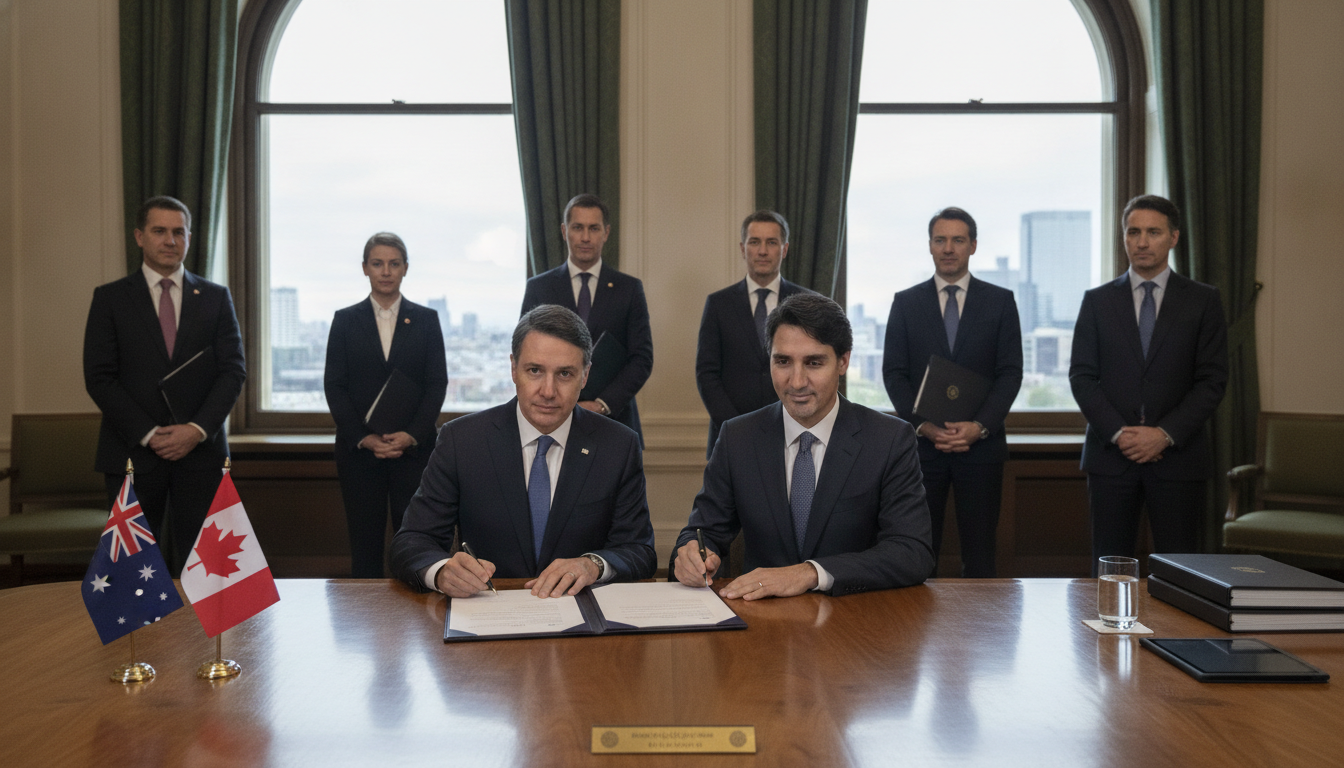
Australia has reached a C$2.5-billion agreement to export its advanced high-frequency over-the-horizon radar to Canada, marking the system’s first international sale. The contract, announced by Australian and Canadian officials, names BAE Systems Australia as the developer and sets initial deliveries to begin on July 1. Both governments say the purchase will strengthen long-range surveillance capabilities and deepen defence cooperation between the two countries.
Sale details and delivery schedule
The contract value is approximately C$2.5 billion and covers the transfer of Australia’s long-range radar capability to Canada under a multi-year program. Australian Defence Minister Richard Marles described the deal as the largest defence export of its kind from Australia, and Canadian procurement officials confirmed staged deliveries beginning July 1. Implementation will include equipment transfer, integration work and training programs to bring the system into Canadian service.
Technical capabilities and operational reach
The purchased system is a high-frequency over-the-horizon radar capable of detecting targets at ranges measured in thousands of kilometres. By using skywave propagation at HF bands, the radar can monitor air and maritime activity well beyond the horizon, providing long-range early warning and extended maritime domain awareness. Australian officials say the system serves as the backbone of long-distance northern surveillance and represents one of the most advanced long-range radar platforms available.
Strategic implications for Australia-Canada relations
Australian leaders framed the sale as a strategic deepening of ties with Canada, moving the relationship beyond traditional diplomatic and trade links. Defence officials highlighted the operational commonalities both countries face: vast maritime approaches, remote territories requiring persistent monitoring, and the need for early detection of potential threats. Canadian officials emphasized that the acquisition enhances interoperability with an ally that has already operational experience with the system.
Arctic surveillance and Canadian operational use
Canadian authorities plan to deploy the radar to improve monitoring over the Arctic and northern approaches, where long distances and limited infrastructure complicate situational awareness. The over-the-horizon capability is particularly suited to the Arctic because it can detect airborne and surface movements beyond line of sight, supplementing satellites, patrol aircraft and coastal sensors. Officials have indicated the system will play a role in sovereignty patrols, search-and-rescue coordination and tracking of increased commercial and strategic activity in northern waters.
Economic and industrial impacts in both countries
The agreement is expected to create industrial work on both sides of the Pacific. Australian officials estimate roughly 300 technical jobs will be supported by production and maintenance roles in Australia linked to the program. Canada’s procurement office projected about 2,300 jobs per year over the next five years tied to installation, systems integration, infrastructure upgrades and ongoing sustainment activities. BAE Systems Australia will lead much of the technical work, with both governments highlighting opportunities for domestic suppliers and workforce development.
Program integration, training and long-term sustainment
Beyond hardware deliveries, the contract includes phased integration, operator training, and long-term sustainment arrangements to keep the radar operational over its service life. Canadian personnel will receive hands-on training from Australian operators and industry engineers to ensure effective system employment in Arctic conditions. Officials also noted that software updates, maintenance support and supply-chain coordination will be critical as Canada brings the capability into its sovereign surveillance architecture.
The sale marks a notable export milestone for Australia and a significant capability upgrade for Canada, reflecting converging defence priorities in an era of longer-range monitoring needs. As initial equipment starts to arrive on July 1, attention will turn to installation sites, training timelines and the broader operational role the radar will play in Canada’s northern defence posture. The agreement also signals deeper defence industrial ties between Canberra and Ottawa that both governments say will extend beyond the immediate contract.
