
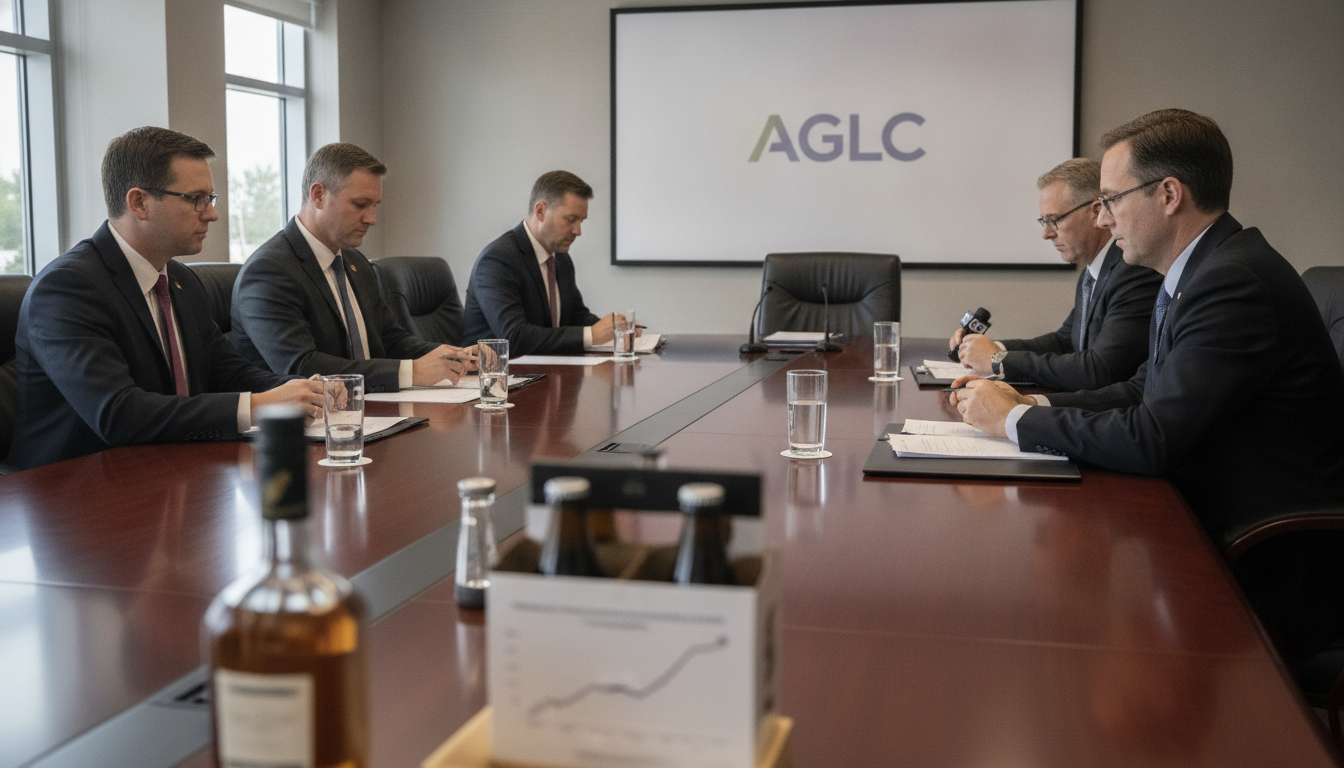
AGLC Minimum Alcohol Prices Rise: New Rates Take Effect June 9, 2026
Alberta’s AGLC minimum alcohol prices increased on June 9, 2026, raising the baseline cost for spirits, wine, beer, cider and coolers across licensed premises. The AGLC minimum alcohol prices move sets spirits and liqueurs at $4 per ounce, wine at $0.50 per ounce and bottled or canned beer, cider and coolers at $4 per 12-ounce serving. The change, referenced by Farkas, closes a gap between formerly lower drink prices and the regulator’s updated floor intended to affect retail and on‑premise pricing.
New minimums and specific price changes
Spirits and liqueurs now carry a mandatory minimum of $4 per ounce, up from $2.75 under the previous schedule. Wine minimums increased to $0.50 per ounce from $0.35, while bottled and canned beer, cider and coolers rose to $4 per 12‑ounce container from $2.75.
The revisions apply to licensed establishments where beverages are sold by the glass or by individual bottles and cans for immediate consumption. Retail sales in liquor stores follow separate pricing frameworks, but the on‑premise minimums are expected to influence menus and promotional pricing.
Immediate effects on bars and restaurants
Licensed operators reported that the new AGLC minimum alcohol prices will require prompt menu revisions and recalculation of pour costs. Venue managers say adjustments to happy hour offerings, flight pricing and combo deals may be necessary to protect profit margins.
Smaller licensed venues with narrow margins are likely to feel the change most acutely, as many relied on lower minimums for competitive promotions. Operators may respond by raising drink prices, altering portion sizes, or restructuring specials to absorb some of the increase.
Consumer impact and expected price adjustments
Patrons can expect incremental increases on cocktails, wine by the glass and single-serve beer purchases as venues align retail and selling prices with the new minimums. The magnitude of price increases will vary by establishment, depending on markups, service charges and existing menu strategies.
Some consumers may shift purchasing patterns toward multi‑serve bottles, discounted flights, or off‑premise purchases where allowed, if venues pass the full cost through. Observers note that changes in consumer behaviour will become clearer as operators implement new menus and promotions in the coming weeks.
Industry response and cost-management strategies
Industry groups and individual operators are assessing strategies to mitigate the effect of the AGLC minimum alcohol prices increase. Common measures under consideration include revising ingredient costs, negotiating supplier discounts and promoting higher-margin food pairings.
Larger chains may smooth the impact by absorbing part of the increase into broader pricing models, while independent bars could rely on targeted promotions and loyalty offers. The need to balance customer retention with profitability has become a central concern for many licensees.
Regulatory context and stated objectives
The AGLC’s update to minimum pricing modifies the baseline for on‑premise alcohol sales, a regulatory tool commonly used to influence consumption patterns and public health outcomes. Minimum price policies are part of broader regulatory frameworks that aim to moderate excessive alcohol availability and related harms.
Officials and stakeholders may frame the increase as a way to reduce low‑cost access to alcohol in social settings, though the full public health and economic effects will depend on how industry and consumers respond. Discussion between regulators and licensees is expected as implementation unfolds.
Compliance timeline and enforcement considerations
The changes took effect on June 9, 2026, and licensed premises are required to comply with the revised minimums when setting drink prices and promotional offers. Establishments should review point-of-sale programming, menu listings and promotional materials to ensure alignment with the AGLC minimum alcohol prices.
Enforcement mechanisms typically include inspections and reviews of pricing practices, and non‑compliance can lead to administrative action. License holders are advised to consult guidance from AGLC and their legal or industry advisers to confirm compliance steps and reporting obligations.
The AGLC minimum alcohol prices increase represents an immediate regulatory shift for Alberta’s licensed hospitality sector, with operators, consumers and regulators now navigating the practical and economic consequences of the new floor.
