
Netherlands Tightens Export Controls on Semiconductor Equipment
Dutch Foreign Ministry: Netherlands export controls on semiconductor equipment require licenses for listed machines and parts; enforcement will be strict.
The Dutch Foreign Ministry said on Friday that Netherlands export controls on semiconductor equipment require licences for all equipment, components and technologies explicitly listed under the rules. The statement made clear that any listed machinery or parts intended for export will need a formal licence before shipment. The announcement signals a tightening of controls that exporters and manufacturers must heed.
Dutch Foreign Ministry Confirms Licensing Requirement
The ministry said the export rules for semiconductor manufacturing equipment are clear and specific, and that items falling under the list will not leave the country without approval. Officials emphasized that the licensing requirement applies to "all equipment, components and technologies" explicitly covered by the regulations. The statement underlined the government’s intent to apply the rules consistently and without exception.
The announcement followed images and reporting around high-end lithography equipment produced by major manufacturers, which are often subject to export scrutiny. The ministry did not publish a full public list in its statement, but stressed that the regulatory framework defines what must be licensed. Exporters were urged to consult formal guidance before arranging shipments.
Types of Machines and Parts Covered
The ministry’s language indicates the measures target complete semiconductor fabrication tools as well as discrete modules and components that enable advanced chip production. That includes machines used in lithography, etching, deposition and other core processes, along with critical subassemblies. Parts that materially contribute to the capability of those systems are likely to fall within the licensing scope.
The statement also covered technologies, a category that typically includes software, design blueprints and control systems tied to the equipment’s operation. Where technology transfer accompanies the physical export, regulators said a licence would be required if the technology is listed. This broader definition aims to prevent circumvention by moving key capabilities in intangible form.
Enforcement Regime and Compliance Expectations
The Dutch government said it will enforce the policy "very strictly," signaling heightened scrutiny of export applications and of compliance by manufacturers and intermediaries. Customs and export-control authorities will review documentation and may inspect consignments to verify that listed items are not exported without approval. Violations of the licensing regime can expose firms to fines, seizure of goods and potential criminal proceedings under national export-control laws.
Companies were advised to perform careful classification and to seek licences proactively when any doubt exists about whether an item falls under the rules. The ministry encouraged exporters to engage with licensing authorities early in planning to avoid delays and potential enforcement action. Legal and compliance teams will likely become an increasing focus for firms that handle controlled semiconductor equipment.
Implications for Manufacturers such as ASML
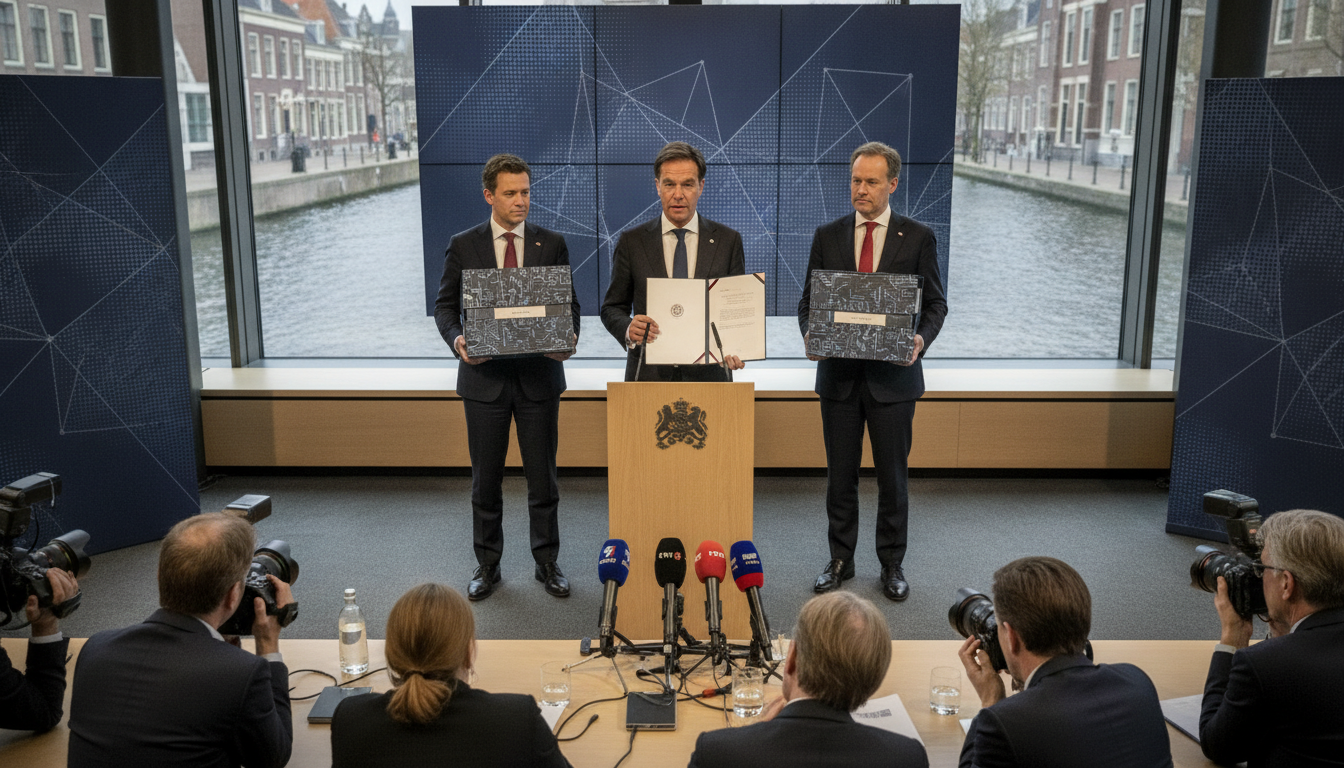
The image accompanying the ministry’s message shows a module from an advanced lithography system, underscoring how high-end tools are central to the debate. Manufacturers of such systems, including major Dutch firms, face direct operational impacts from stricter export controls. Those firms must ensure contractual terms, supply chains and export documentation align with the licensing regime to maintain market access.
Suppliers of critical subcomponents will also feel the effect, as parts previously treated as ancillary may now require individual licences. This can prolong lead times for deliveries and raise compliance costs across the industry. Companies that supply both domestic and foreign customers will need to allocate resources to manage licence requests and to track shipments against regulatory criteria.
Impact on Global Semiconductor Supply Chains
Analysts say that when a key supplier nation tightens controls, it can ripple through the semiconductor supply chain by limiting the flow of sophisticated tools and slowing factory buildouts. Regions seeking to expand advanced chipmaking capacity may face longer procurement cycles if licences are required for critical equipment. Procurement teams and chipmakers will have to factor potential licensing delays into project timelines and capacity forecasts.
The licensing requirement could also nudge some firms to redesign systems or source alternative parts that are not subject to the same restrictions. Over time, this may affect industrial strategy and the geographic distribution of advanced manufacturing capability. Governments and companies outside the Netherlands will be watching closely for guidance on how the rules are implemented in practice.
Next Steps for Exporters and Regulators
Exporters should review their inventories and contracts immediately to identify items that might be listed and to determine whether licence applications are necessary. The ministry’s statement makes clear that reliance on past practice is insufficient when an item’s status is unclear. Firms are encouraged to contact Dutch licensing authorities for formal determinations and to document those interactions.
Regulators will likely publish additional guidance and may coordinate with international partners to align controls where strategic interests overlap. For now, companies operating in this sector must assume heightened scrutiny and plan accordingly to limit commercial disruption. Clear, early engagement with authorities is the most direct way to manage the new enforcement posture.
The Dutch Foreign Ministry’s message places export compliance at the centre of semiconductor trade, and firms that move high-end equipment or related technologies will need to adapt their processes to meet the tighter licensing and enforcement expectations.
