
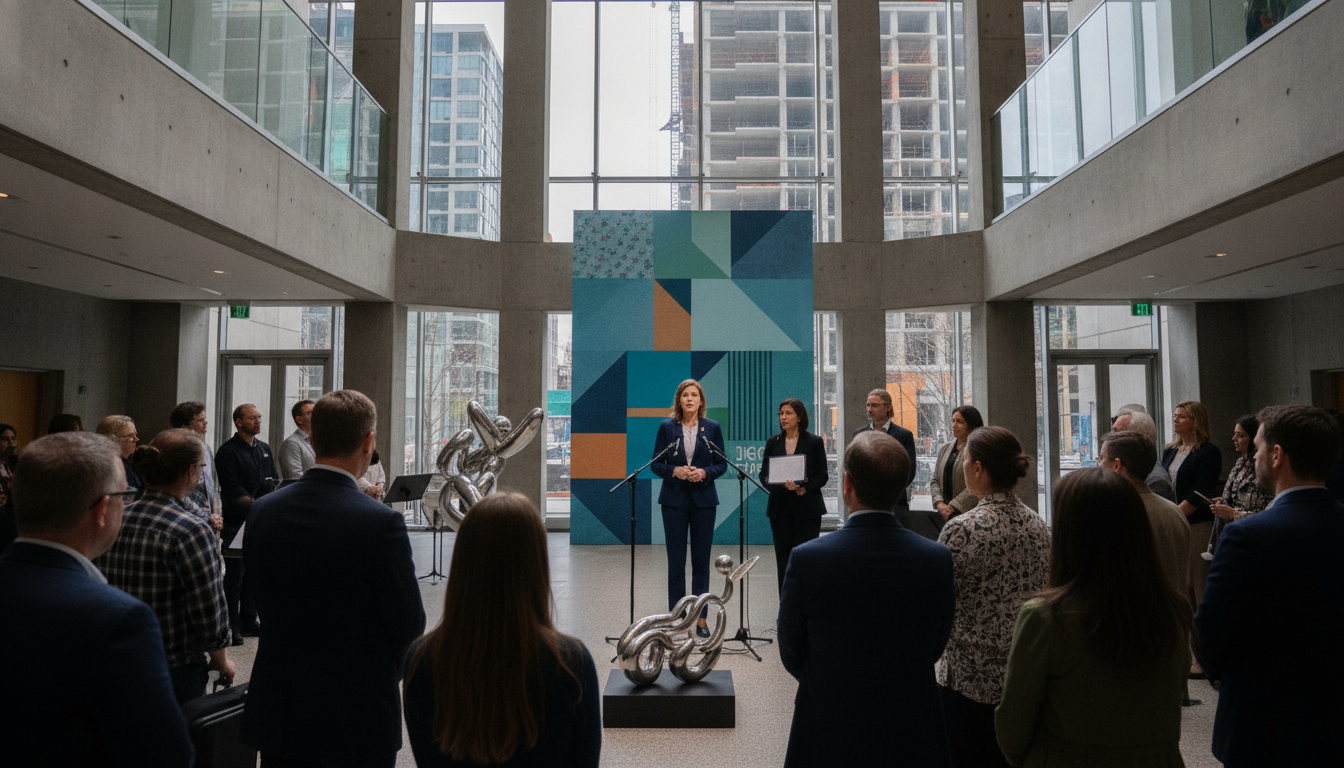
Calgary arts funding in spotlight as leaders push Ottawa to back Alberta artists
Calgary arts funding debate sharpens as local leaders urge Ottawa to direct more support to Alberta artists amid expanding cultural infrastructure across the city and province.
City and provincial infrastructure showing growth
Calgary has seen a notable expansion in arts and cultural facilities in recent years, from renovated performance spaces to new galleries and studio hubs. Local advocates point to these developments as evidence of a maturing arts ecosystem that requires steady investment to sustain momentum. The growth is not isolated to Calgary alone, with regional initiatives and venues across Alberta also reporting increased activity and attendance. Officials and community leaders say the physical expansion must be matched by funding that reaches creators directly.
Calls for Ottawa to deliver fair share of funding
Advocates are pressing the federal government to ensure it contributes what they describe as its fair share to provincial arts programs and direct artist grants. Miller urged that federal dollars be funneled in ways that allow Albertan artists to present work locally, nationally and internationally. The demand reflects a broader conversation about equitable distribution of federal cultural funding across Canadian regions. Proponents argue that targeted federal support would amplify Alberta’s creative output and prevent promising projects from stalling.
Artists emphasize direct access to grants
Artists and arts organizations have stressed the need for funding structures that prioritize direct support over indirect or top-heavy models. Many performers, visual artists and cultural collectives say they remain constrained by project-based grants that do not cover core operating costs. Direct access to stable funding would allow artists to plan multi-year projects, invest in marketing and tour more broadly. Those working in smaller centres around Calgary note that streamlined application processes and regional allocation are particularly important.
Economic and cultural impacts tied to investment
Investment in the arts has demonstrable effects on local economies through job creation, tourism and related service industries. Cultural infrastructure attracts visitors and supports nearby businesses such as restaurants, hotels and retail, generating tax revenues for municipalities. Beyond economics, advocates emphasize the role of arts in community building and civic identity, arguing that public funding contributes to social cohesion and educational opportunities. The cumulative impact is cited by proponents as justification for both provincial and federal commitment.
Questions over grant distribution and accountability
As calls for increased federal support grow louder, stakeholders are also raising questions about how grants are distributed and tracked. Community groups want transparent criteria and clearer mechanisms to ensure funds reach Indigenous artists, newcomers and underserved communities. Critics warn that without accountability, larger institutions may disproportionately benefit at the expense of grassroots practitioners. Several organizations are urging Ottawa and Alberta to collaborate on reporting standards that demonstrate both outcomes and equitable reach.
Advocacy groups outline next steps and timelines
Local advocacy groups plan coordinated campaigns to present detailed funding proposals to federal ministers in the coming months. The approach includes case studies from Calgary and surrounding regions to illustrate how modest increases in support could unlock touring opportunities and international showcases. Organizers say they will push for targeted programs that reduce administrative burden and prioritize long-term artist sustainability. They also plan to measure impact with community-driven indicators to bolster future funding requests.
Municipal officials say they will continue to invest in facility upgrades and public art programming while seeking complementary federal and provincial contributions. Cultural sector leaders expect the conversation about Calgary arts funding to remain central to municipal and provincial budgets as projects move from planning to execution. Stakeholders insist that coordinated funding, transparent distribution and sustained investment are necessary to translate physical infrastructure into enduring cultural capacity.
Efforts to secure increased federal aid are framed not only as financial appeals but as strategic investments in Alberta’s cultural profile and economic resilience. The coming months will reveal whether Ottawa, in concert with provincial and local partners, will redesign funding pathways to better serve Albertan artists and the communities that depend on them.
