
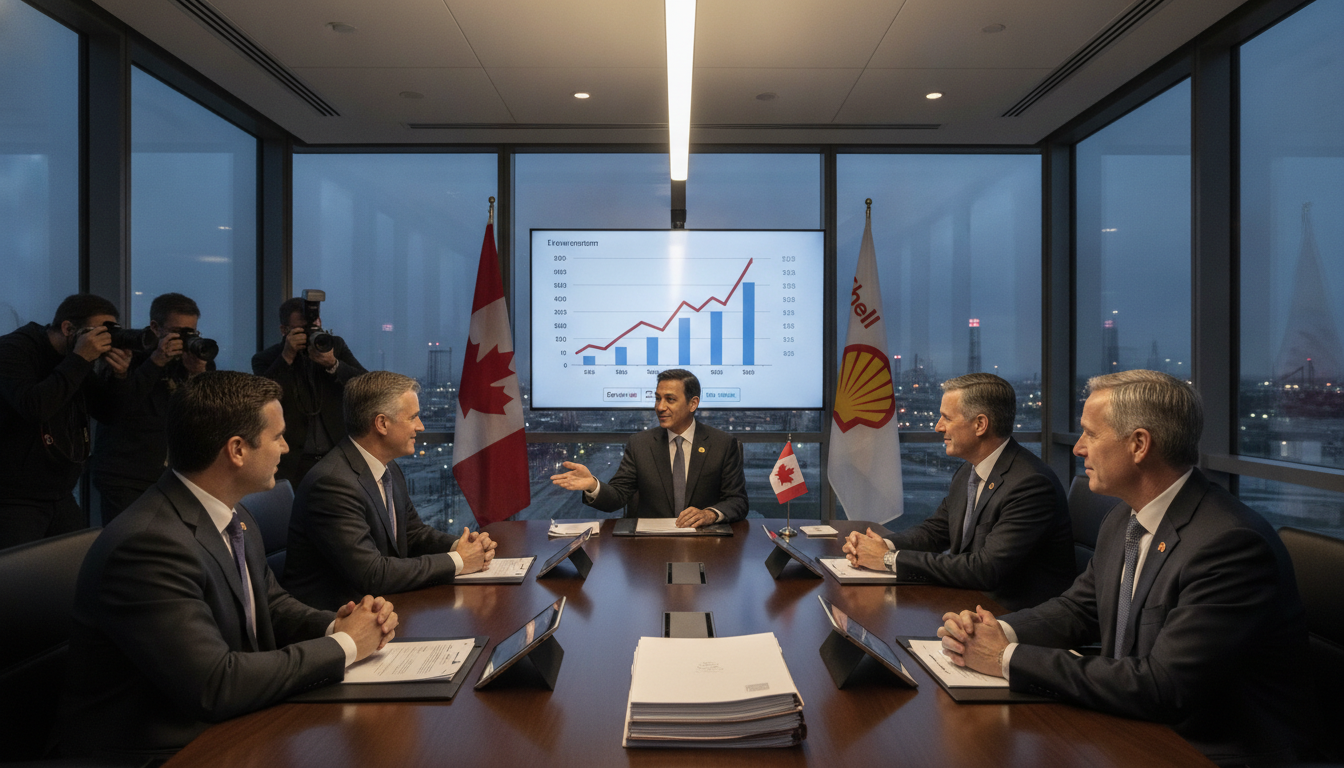
Canadian oil and gas investment surges as global tensions steer capital back to Canada
Investors are directing billions into Canadian oil and gas investment as geopolitical disruption and policy shifts rekindle interest, though pipeline and export bottlenecks persist.
Canada’s return to the radar of international investors is accelerating, with Canadian oil and gas investment rising amid Middle East instability and a more industry-friendly federal tone. Capital inflows, high-profile acquisitions and renewed dialogue between companies and Ottawa marked the Global Energy Show in Calgary this week. Industry leaders and analysts say the uptick reflects both long-lived reserves and a changed political environment, but they caution that growth will depend on approvals for pipelines and LNG export terminals.
Capital returns after years of exit
Institutional investors poured more than $5 billion into Canadian oil and gas stocks over the past year, driven largely by foreign buyers, according to BMO Capital Markets analyst Jeremy McCrea. The inflows signal a broader reassessment of Canada as a dependable supplier of oil and gas at a time when global trade flows face new risks.
Brian Boulanger, CEO of ARC Financial Corp., described the current moment as the third wave of capital returning to Canada, while warning past cycles saw money leave as quickly as it arrived when projects and promises stalled. His remarks at the Global Energy Show underlined investor appetite tempered by a demand for credible project approvals.
Deal activity and big-ticket signals
Major transactions are reinforcing investor confidence. The recent acquisition of ARC Resources by a global supermajor underscored renewed corporate interest in Canadian assets and was repeatedly cited by delegates as a bellwether event. Such deals are drawing fresh attention from funds that had reduced exposure to Canada over the previous decade.
Analysts note that a combination of structurally higher commodity prices and the re-entry of multinational players has pushed Canadian oil and gas investment higher, lifting equities and prompting portfolio managers to revisit the sector’s long-term cash-flow potential.
Policy shift and market access debate
Industry participants credited a noticeable change in federal rhetoric and the federal-provincial energy memorandum of understanding for improving investor sentiment. Speakers at the conference said the perceived shift has reduced political risk that many investors previously associated with Canadian projects.
Despite the improved tone, multiple presenters stressed that Canada’s capacity to raise production hinges on expanded export infrastructure. Companies and provincial officials reiterated the need for additional pipelines to the Pacific and new LNG terminals to access Asian markets, arguments central to any meaningful increase in Canadian oil and gas investment.
Alberta’s expansion plans and the approvals challenge
Alberta officials outlined ambitious goals, including plans to increase oil production substantially by 2035 and proposals for new greenfield bitumen pipeline projects to the West Coast. The province said it will seek federal coordination through the Major Projects Office by Canada Day, and provincial officials are searching for private-sector proponents to lead construction and financing.
Alberta Energy Minister Brian Jean told reporters that discussions are at an early stage but that several proponents have expressed interest, including large global firms. Still, executives at the show emphasized that private capital will move only when regulatory timelines and approval certainty are in place.
Industry cautions on competitiveness and carbon policy
While investment interest grows, CEOs raised concerns about policies that could affect competitiveness. Cenovus Energy’s chief executive warned about future increases to Alberta’s industrial carbon pricing under the provincial-federal MOU, arguing higher costs could dampen incentives for producers to invest to supply new export capacity.
Portfolio managers and company leaders said the industry is now willing to engage directly with the federal government in a way they characterized as more practical than under previous administrations. That engagement, they argue, is aimed at ensuring policy changes are predictable and do not undermine the conditions needed for increased Canadian oil and gas investment.
Changing tone from investors and service firms
Executives from major oilfield services companies and institutional investors reported a different atmosphere in Calgary compared with recent years. Weatherford International’s CEO noted a clearer appreciation for the oil and gas sector’s role in Canada’s economy, while U.S.-based investors described more open lines of communication with Ottawa under current leadership.
Observers said these shifts matter because capital is not simply searching for assets; it is seeking jurisdictions where approvals, regulatory clarity and long-term returns align. The message from investors was consistent: capital is available, but it will follow credible approvals and clear market access.
The confluence of geopolitical uncertainty, corporate acquisitions and a softer federal stance has reopened doors for international money to flow into Canada’s petroleum sector, yet the path to significantly higher output remains conditioned on timely approvals for pipelines and LNG infrastructure. Investors say they are watching those milestones closely before committing to large-scale, long-term projects.
