
Kontron takeover: Ennoconn cleared to exceed 30% stake as buyback is suspended
Ennoconn moves deeper into the Kontron takeover, authorized to pass the 30% ownership threshold; Kontron suspends its share buyback and CEO retains his 2.2% stake.
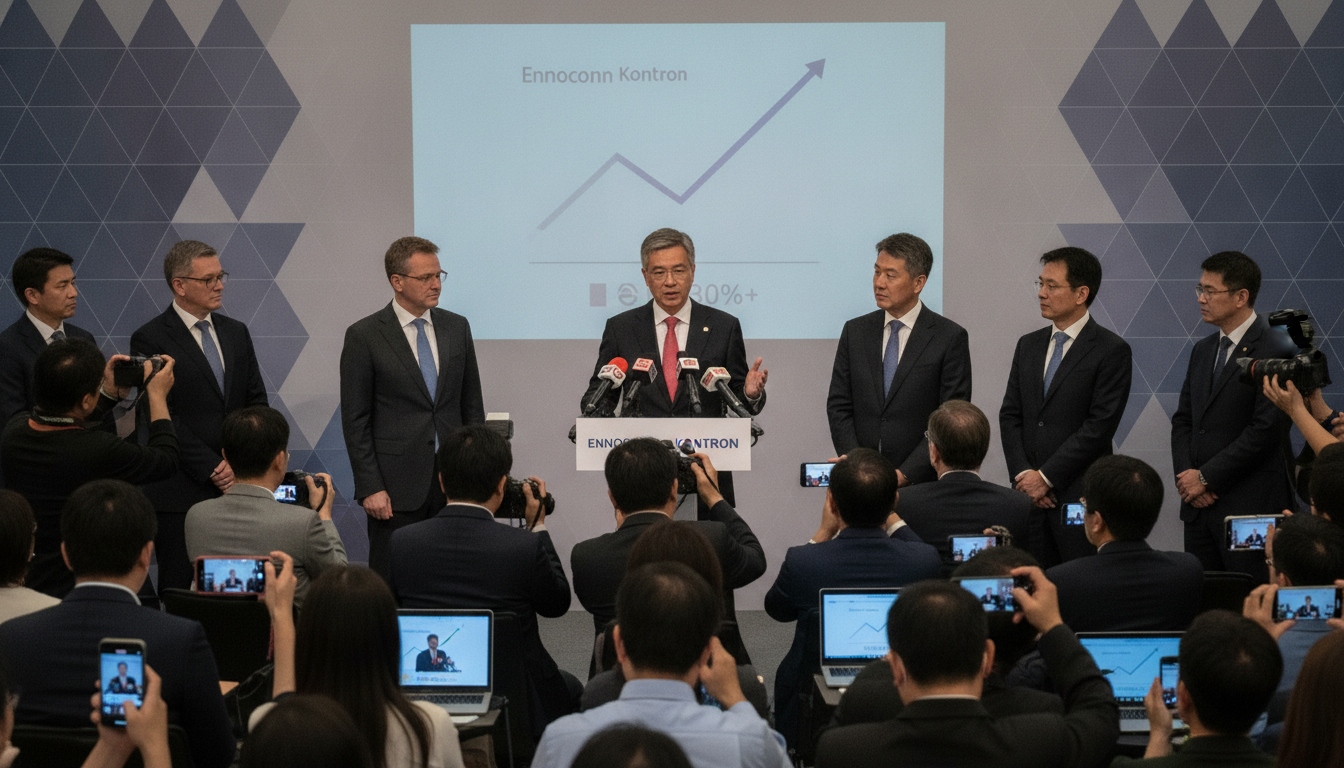
Kontron shareholders were told the takeover bid had crystallized after the company disclosed that Ennoconn’s board authorized management to breach the 30 percent ownership threshold. The Taiwan-based group already held 27.9 percent at the start of May, a signal that a Kontron takeover was imminent and that voting dynamics at the company would shift. Kontron simultaneously announced an immediate suspension of its share buyback program, while CEO Hannes Niederhauser said he will remain invested and retain his 2.2 percent holding.
Board Authorization Enables Ownership Move
The move by Ennoconn’s supervisory board to permit management to exceed 30 percent removes a procedural barrier to increasing its stake. That internal authorization is a common step in takeover build-ups where a strategic investor seeks to consolidate control without immediate full acquisition. For Kontron, the disclosure marked an important threshold: a stake above 30 percent can alter shareholder influence and trigger further regulatory and corporate actions.
Ennoconn’s earlier position of 27.9 percent meant it was already a dominant minority shareholder with leverage over the company’s strategic direction. The company’s willingness to cross the 30 percent line suggested the Taiwanese investor saw additional value in accelerating its influence at Kontron rather than pursuing a gradual hold increase.
Management and Leadership Statements
Kontron’s management framed the development as a material change to the company’s capital structure while underscoring stability at the executive level. CEO Hannes Niederhauser publicly said he would not sell his 2.2 percent stake, signaling confidence in the company’s prospects despite the ongoing takeover pressure. The CEO’s decision to remain invested aims to provide continuity to customers, suppliers and employees amid the ownership shift.
Company communications emphasized the board-level approval from Ennoconn and stressed that the move was executed within corporate governance processes. Kontron’s statement about suspending the buyback highlighted that the company is prioritizing clarity on ownership and future strategic direction before returning to market repurchases.
Immediate Suspension of Share Buyback
Kontron’s suspension of its share buyback program took effect immediately, halting repurchases that might otherwise have reduced available free float and altered control calculations. Share buybacks are often used to support stock price and return excess cash to investors, but in takeover scenarios they can be seen as complicating shareholder dynamics. Pausing the program removes any ambiguity about whether repurchased shares would affect ownership thresholds.
For investors watching the Kontron takeover, the suspension removes one lever management could use in the near term and signals a period of strategic reassessment. It also reduces the likelihood of short-term volatility being amplified by simultaneous buybacks and change-of-control activity.
Implications for Shareholders and Voting Power
Crossing the 30 percent threshold would enhance Ennoconn’s ability to influence shareholder votes, board composition and strategic initiatives at Kontron. Minority shareholders will be closely tracking any subsequent moves, including potential mandatory offer rules, proposals to reshape the supervisory board, or negotiations for a full acquisition. The presence of a large strategic investor can accelerate corporate decisions but may also raise questions about minority protections and long-term strategy.
Institutional investors and activist stakeholders will likely reassess their positions and voting intentions in light of the expanded stake. Analysts and proxy advisors typically evaluate whether a new majority or dominant investor will pursue operational integration, asset disposals, or changes to capital allocation that could affect returns.
Market Context and Strategic Rationale
Ennoconn, a Taiwan-based technology group, has been expanding its footprint through strategic investments in companies that complement its product and service roadmap. The move into Kontron appears to fit a pattern of buyers seeking to combine hardware, embedded systems and industrial technology capabilities with broader global supply chains. Such consolidation can offer scale advantages and accelerate product development cycles.
For Kontron, which supplies embedded computing solutions to industrial and edge markets, a closer tie to a large Taiwanese electronics group could bring manufacturing synergies and access to new customer channels. At the same time, integration risks and cultural alignment will be key considerations if Ennoconn pursues deeper operational control.
What investors should monitor next includes regulatory filings that confirm any increase beyond the 30 percent threshold, formal takeover offers or merger proposals, changes to Kontron’s board, and any revised guidance on capital deployment or strategic partnerships.
This evolving Kontron takeover will be watched closely by corporate governance observers and market participants as the ownership picture clarifies and potential next steps by Ennoconn become public.
