
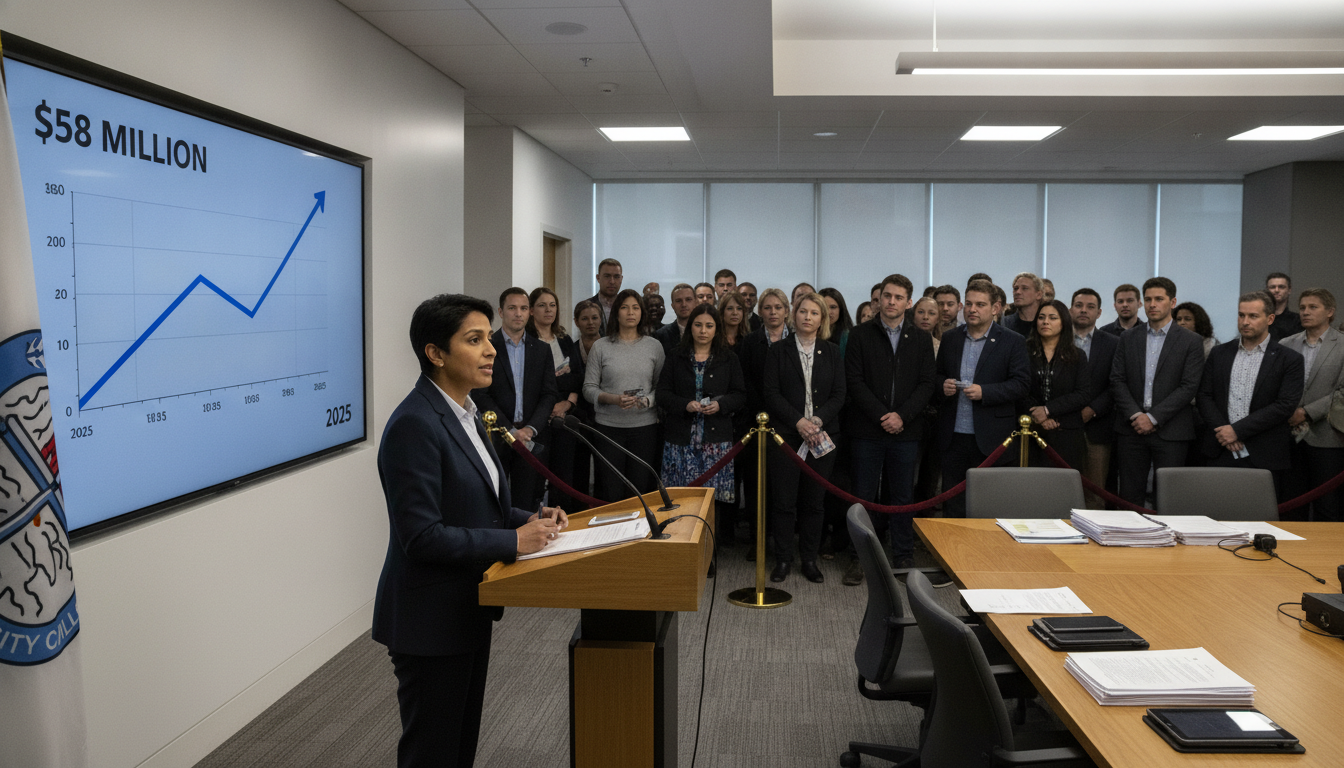
Calgary low-income pass cost $58M in 2025, province provided $6.3M, mayor says
Mayor Jeromy Farkas reveals Calgary low-income pass cost $58 million to operate in 2025, with Alberta’s $6.3M grant covering just over 10% of the total now.
The Calgary low-income pass program cost the city $58 million to deliver in 2025, according to a recent letter from Mayor Jeromy Farkas. The program provides discounted monthly transit passes to Calgarians who earn below specific income thresholds, and the province of Alberta contributed a $6.3-million grant toward the total. That provincial contribution equals just over 10 per cent of last year’s delivery cost, the mayor’s letter states.
Program cost and provincial support
The city’s accounting shows the $58-million figure covers administration, discounted fares and operational costs tied directly to the program’s rollout in 2025. Alberta’s $6.3-million grant was publicly identified by the mayor as the provincial share of that expense. Subtracting the provincial contribution leaves roughly $51.7 million in costs borne by the city and other local sources.
The disclosure is the first public clarification of the program’s full operating cost for the year. Municipal leaders and transit officials will likely use the figure to frame upcoming budget discussions and funding requests.
Mayor Jeromy Farkas’ disclosure
Mayor Farkas disclosed the figure in a recent letter, saying the number reflects the cost to deliver the low-income transit benefit across Calgary. The mayor’s communication did not include detailed line-item accounting in the summary, but confirmed the scale of the city’s financial commitment. City councillors have been circulated the mayor’s correspondence as officials weigh longer-term funding options.
The disclosure is notable because it quantifies the municipal burden and highlights the relatively small proportion funded by the provincial grant.
How the low-income pass serves Calgarians
The low-income pass is designed to reduce transportation costs for residents earning below specified income thresholds by offering discounted monthly transit fares. Advocates and social-services providers have argued the measure improves access to work, education and services for lower-income households. The program’s eligibility thresholds and distribution mechanisms aim to target those most in need while increasing equitable access to public transit.
City officials have pointed to social and mobility benefits when defending the program’s objectives, but the new cost disclosure may prompt renewed scrutiny over eligibility, outreach and measurable outcomes.
Budget implications for Calgary Transit and the city
With roughly $51.7 million covered locally after the provincial grant, the program represents a significant item in Calgary Transit’s budget picture. That scale of municipal subsidy can affect funding available for other transit priorities, capital projects and service levels if not offset by new revenue or higher-level government support. City finance staff will need to account for the program in multi-year budgeting and may propose adjustments to fares, service or eligibility to manage costs.
Municipal officials have options that include seeking additional provincial funding, applying for federal social program dollars, reallocating existing transit funds, or changing program design to reduce cost pressure.
Political responses and stakeholder views
Local advocacy groups for low-income residents have emphasized the continued need for affordable transit and urged that funding not be withdrawn. Some councillors and civic stakeholders have called for clearer financial reporting and cost-benefit analysis to demonstrate the program’s social return on investment. Meanwhile, critics of the program’s cost have argued for more sustainable funding arrangements and for clearer delineation of provincial and municipal responsibilities.
The mayor’s letter has already sparked questions from elected officials about whether the province could increase its contribution for future years and about the city’s plan to sustain the program without compromising other transit services.
Next steps and budget deliberations
City staff are expected to present detailed budget options and financial scenarios in the weeks ahead as part of regular budget planning cycles. Council will decide whether to seek further provincial support, adjust program parameters, or identify municipal offsets to cover the shortfall. Any change would require public consultation and clear communication about who remains eligible and how service levels will be preserved.
Officials have indicated that they will monitor usage, cost trends and external funding opportunities as they refine recommendations for the coming fiscal cycle.
The disclosure that Calgary’s low-income pass cost $58 million to deliver in 2025 and that Alberta’s $6.3-million grant covered just over 10 per cent of that total has moved the program to the centre of municipal budget conversations, setting the stage for decisions about funding, design and long-term sustainability.
