
Alberta unveils $200M class size reduction grant to hire 1,400 K–9 teachers
Alberta announces $200M class size reduction grant to hire 1,400 K–9 teachers for 2026–27, lowering average class size and funding boards across the province.
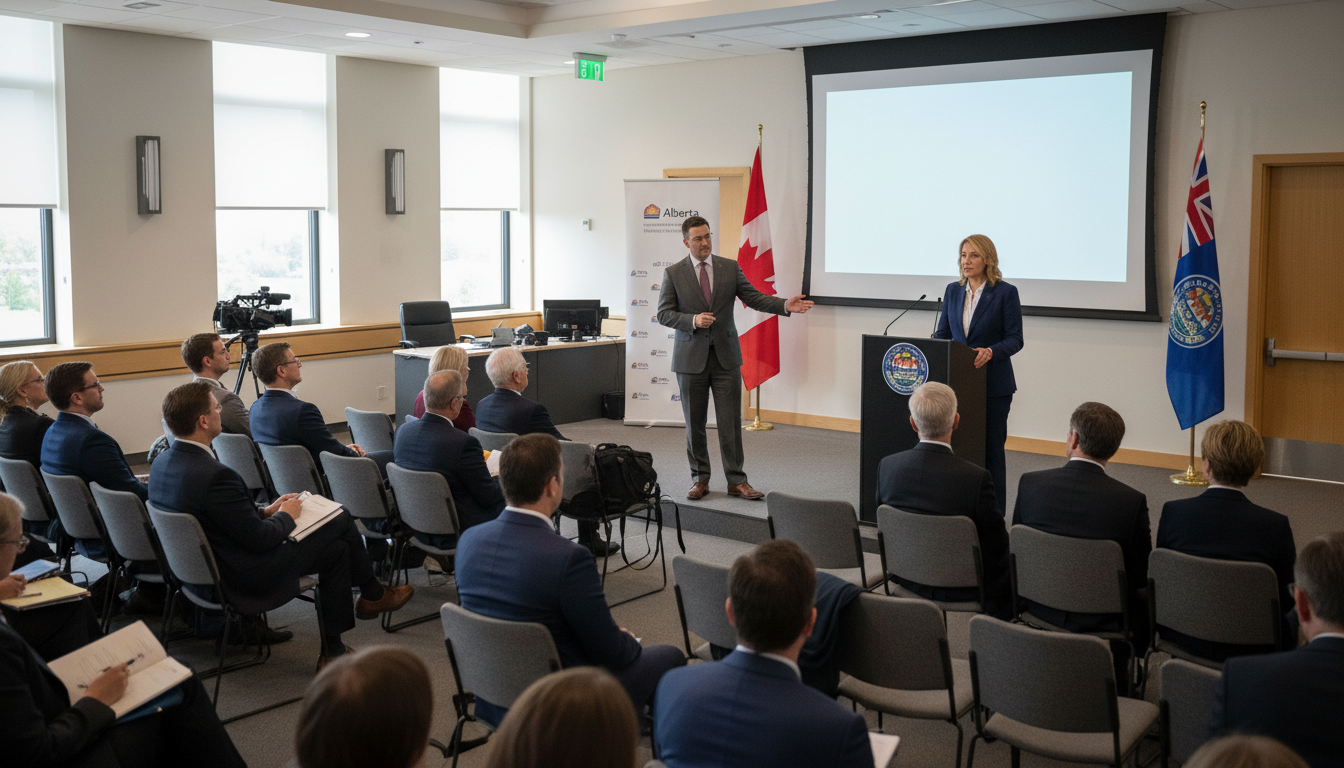
The Alberta government announced a $200-million class size reduction grant on Wednesday to hire 1,400 kindergarten-to-grade-nine teachers for the 2026–27 school year. Education Minister Demetrios Nicolaides said the funding is part of a larger $355-million allocation in Budget 2026 aimed at easing classroom pressures. The package is intended to reduce average class sizes and target schools with the largest core-subject classrooms.
Grant focuses on schools with largest classes
The provincial grant will be distributed unevenly so boards with the biggest class-size challenges receive more support. Nicolaides said funding is targeted to classrooms that exceed high thresholds for class size, with the objective of moving them into low or medium ranges. The intention is to prioritize core subject classrooms where student numbers most directly affect instruction.
Officials described the hiring as part of a staged response to capacity issues in elementary and middle school grades. The minister stressed the grant is not a one-size-fits-all allotment and that local boards will receive amounts that reflect their particular classroom conditions.
Allocation totals and minimum guaranteed funding
Under the announced plan, every school division will receive at least $405,000, intended to fund the hire of three teachers at a minimum level. Edmonton Public Schools is slated to receive $39.9 million to support the hiring of 296 teachers, while Edmonton Catholic Schools will receive $18.9 million for 140 hires. In Calgary, the Calgary Board of Education will receive $48.8 million to add 362 teachers and the Calgary Catholic School District will receive $24.4 million for 181 positions.
Smaller and rural divisions will still see money flow to their classrooms through the guaranteed minimum, though exact local impacts will vary. Nicolaides did not provide a running total of how many teachers have already been hired from earlier budget commitments.
Relation to overall Budget 2026 commitments
The $200-million grant is part of the $355 million the province allocated to address class size and student complexity in Budget 2026. That broader package previously included $143 million to create 476 “complexity teams” for K–6 schools with the highest identified needs. Each of those teams is planned to include one teacher and two educational assistants, focusing support in classrooms facing multiple barriers.
Budget materials also pledged the hire of 1,600 teachers this fiscal year; Nicolaides clarified that the announced 1,400 hires for K–9 are included within that 1,600 commitment and are not an additional number. The province said these measures together are designed to reduce the province’s calculated average class size from 25 to 22.
Premier and ministry signal further steps
Premier Danielle Smith described the announcement as part of ongoing work to respond to classroom strain and said a cabinet committee on class size and complexity will continue to allocate funds. The premier indicated the government will soon introduce a new student support policy framework and that officials are compiling what they called the largest-ever dataset on classroom conditions in Alberta.
The government framed the measures as an initial phase, with more targeted funding and policy changes expected to follow as the committee reviews the data. Officials emphasized the importance of using classroom-level information to refine future investments.
Reactions from teachers and opposition parties
The Alberta Teachers’ Association welcomed the acknowledgement of classroom pressures but warned that the package leaves gaps. ATA president Jason Schilling said the announcement reflects long-standing teacher advocacy but raised concerns that high schools are excluded from the $200-million grant. He also urged assurances that the measures will be sustained beyond a single year.
Alberta NDP education critic Amanda Chapman criticized the funding as unlikely to produce a substantial change in existing class sizes and suggested the timing reflects political motives. Chapman said the allocation does not address all areas of need and questioned whether the level of investment is sufficient to alter classroom reality across the province.
Practical implications for schools and next steps
School boards will now begin local planning to recruit the additional teachers and assign them to classrooms identified as most over-capacity. Human resources and hiring timelines at individual boards will determine how quickly the new positions can be filled and translated into smaller classes. Boards must also integrate the new hires with the previously announced complexity teams to ensure support is coordinated where it is most needed.
Provincial officials said further funding announcements are expected as the cabinet committee continues its work and as the ministry finalizes the student support framework. In the near term, boards will await detailed allocation letters and hiring guidance from the ministry to move from allocation to classroom placements.
The province’s move to reduce average class size and target high-need classrooms marks a significant investment in K–9 staffing, but its ultimate impact will depend on sustained funding, recruitment success, and how quickly money translates into smaller, better-supported classes.
