
Liberals Sweep Three Byelections, Take Seat from Conservatives as Parties Reassess
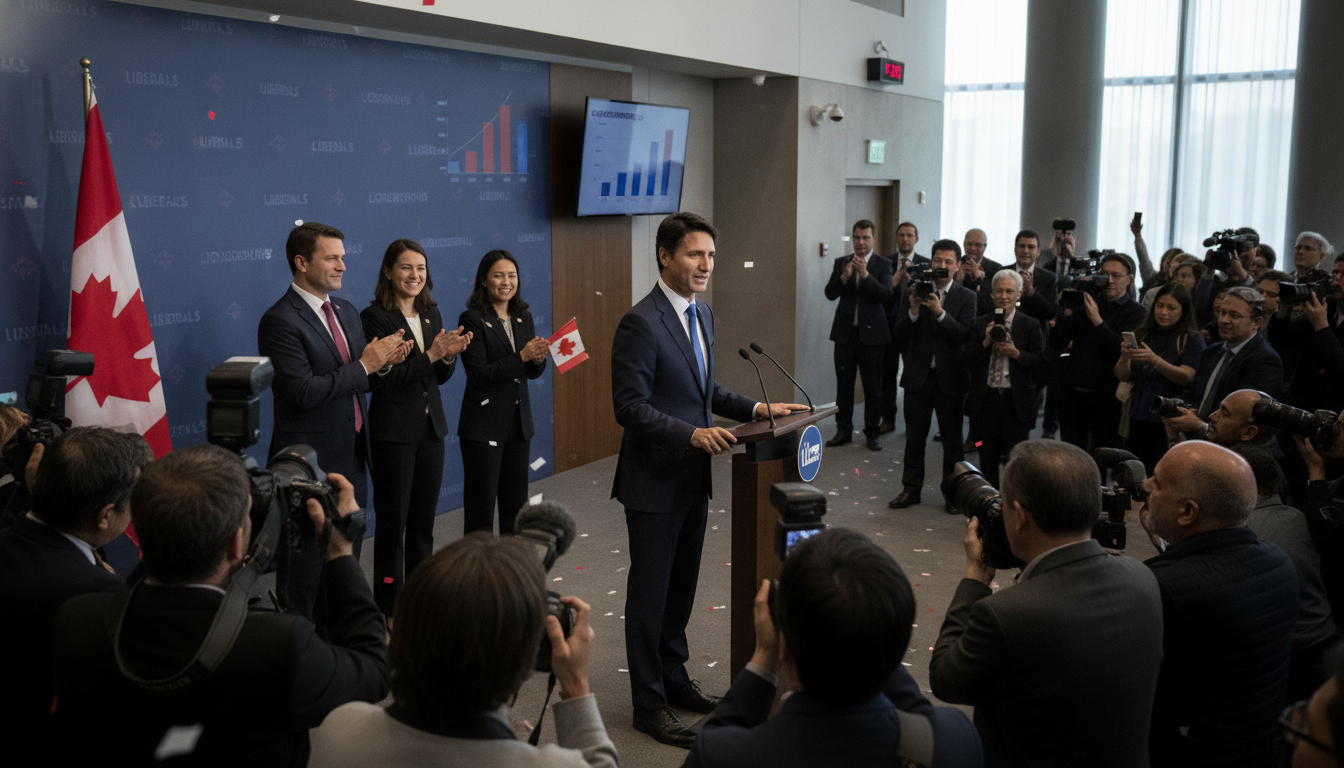
A string of federal byelections delivered a clear result: the Liberals won all three contested ridings, including one gained from the Conservatives, reshaping short-term expectations ahead of the next ballot tests. The byelections outcome underlines shifting local dynamics in Beaches–East York, North Vancouver–Capilano and Chicoutimi—Le Fjord while giving party strategists fresh data to digest.
Voters in these ridings turned out in patterns that produced decisive victories for the governing Liberals, modest recoveries and losses for opposition parties, and new questions about how regional strengths will hold up in future contests. The results will frame party messaging and media scrutiny as leaders move toward the next round of byelections likely scheduled for the fall.
Liberals Win All Three Byelections and Flip a Seat
The Liberal Party captured all three contests, cementing the narrative of electoral resilience in the wake of previous campaign cycles. Winning across diverse regions — an urban Toronto riding, a North Shore Vancouver seat, and a Quebec constituency — gives the party both symbolic and practical momentum.
Party officials will emphasize the breadth of the victories as validation of strategy and messaging, particularly since one of the gains involved taking a seat formerly held by the Conservatives. Campaign directors will point to local organization, targeted outreach and candidate selection as drivers behind the outcomes.
These wins also reduce immediate pressure on the governing party’s national standing and provide a buffer against criticism that byelections necessarily penalize governments. For the Liberals, the task ahead will be to convert these short-term triumphs into sustained support in upcoming local and national contests.
North Vancouver–Capilano Signals Strain in Conservative Vote Share
North Vancouver–Capilano was one of the more closely watched contests because it has been competitive for multiple parties in recent cycles. Early returns suggest the Conservative vote share has softened from previous highs, leaving room for the Liberals to make gains in what had been seen as a favourable riding for the right.
Local analysts note that the Conservative decline was not catastrophic but consistent with a pattern across the three byelections where the party underperformed relative to its baseline. The Conservatives face questions about whether their messaging is resonating beyond their core supporters in suburban and coastal communities.
For the riding itself, demographic change, local issues such as housing affordability and transit, and campaign organization appeared to matter more than national-level rhetoric. The Conservative leadership will have to explain how it plans to address slippage in similar ridings if it hopes to rebound.
Beaches–East York Shows NDP Recovery but Still Behind Past Heights
In Beaches–East York the New Democratic Party posted results comparable to its standing before a steep decline in last year’s general election. The outcome suggests a partial recovery of the NDP vote without approaching the levels that produced broader breakthroughs in earlier cycles.
NDP strategists will take encouragement from stabilizing support in an urban Toronto riding that has swung among parties in the past. However, the party’s share remains well short of the peak levels when it captured the seat a decade and more ago, indicating there is work to do rebuilding urban progressive coalitions.
The Liberals’ victory in the riding signals they were able to consolidate enough support to outpace both the Conservatives and the NDP, likely by balancing local concerns with national policy priorities. The NDP’s focus now will be on translating this modest rebound into sharper gains in future byelections and the next general campaign.
Chicoutimi—Le Fjord Retained by Conservatives Through Local Popularity
Chicoutimi—Le Fjord is the one riding the Conservatives held in this round, and the result underscores how personal popularity and local incumbency dynamics can override broader national trends. Observers noted the continued appeal of the party’s candidate in the riding, which appears to have been decisive.
That seat’s retention came amid the larger pattern of Conservative setbacks elsewhere, making it a mixed result for the party: a local win but a national mood that did not move in its favour. Conservative officials are aware that holding on to regional strongholds will be essential if the party is to avoid further territorial erosion.
The outcome also offered a reminder that byelections often hinge on localized campaigns and candidate profiles, not only on macro-level narratives. For political forecasters, Chicoutimi—Le Fjord provides a case study in how parties can both lose and hold ground within the same set of contests.
Implications for Party Leaders and Parliamentary Dynamics
The byelections produce immediate consequences for party leaders’ messaging and the optics of momentum heading into subsequent contests. For the Conservative leader, the results will lead to intensified questioning about strategy and whether the party can arrest vote share declines in competitive ridings.
By contrast, the Liberal leadership can frame the sweep as evidence of continued national appeal and effective ground operations. That framing will likely be emphasized in public appearances and internal briefings as the party prepares for the next legislative and electoral tests.
From a parliamentary arithmetic standpoint, the seat flip slightly alters party balances but does not change the government’s ability to govern. Where the results matter more is in the narrative they create for donors, volunteers and riding associations preparing for deeper campaigning later in the year.
What the Byelections Reveal About Voter Priorities and Turnout
Across the three contests, turnout patterns and issue salience offered clues about what is motivating voters at the local level. Housing, affordability, health care access and regional infrastructure repeatedly emerged as top issues in campaign materials and public discussions.
Lower or uneven turnout in some precincts highlighted the challenge parties face in mobilizing their base for off-cycle votes, which typically draw fewer voters than general elections. Campaign teams will analyze which demographic groups showed up and where additional outreach is required.
The distribution of protest votes and the role of smaller parties and independent candidates will be dissected for lessons on coalition-building and niche appeals. For strategists, the byelections serve as a laboratory to refine voter targeting, messaging cadence and volunteer deployment for competitive urban and regional ridings.
Next Steps for Parties, Candidates and Media Coverage
All three national parties will use the byelection outcomes to reset tactics and resource allocation ahead of the next round of contests expected later in the season. The Liberals will sustain momentum by reinforcing local successes and shoring up marginal ridings.
The Conservatives will likely conduct internal reviews to identify where vote erosion occurred and to sharpen appeals to undecided and soft supporters. Meanwhile, the NDP will weigh whether gains in certain urban areas can be amplified into a durable resurgence.
Journalists and political analysts will focus their coverage on whether the byelection results signal a longer-term trend or simply reflect one-off local dynamics. The narrative that emerges over weeks, not just days, will shape public perception and campaign strategies going into upcoming byelections and the next national campaign.
Final paragraph to close the report and emphasize the next milestones
The three byelections provided a compact, high-information snapshot of where the major parties stand in the current political cycle and which local factors can tip contests. Parties will calibrate both tactics and messaging after reviewing detailed returns, and voters will see those adjustments play out as the next slate of byelections approaches in the coming months.
