
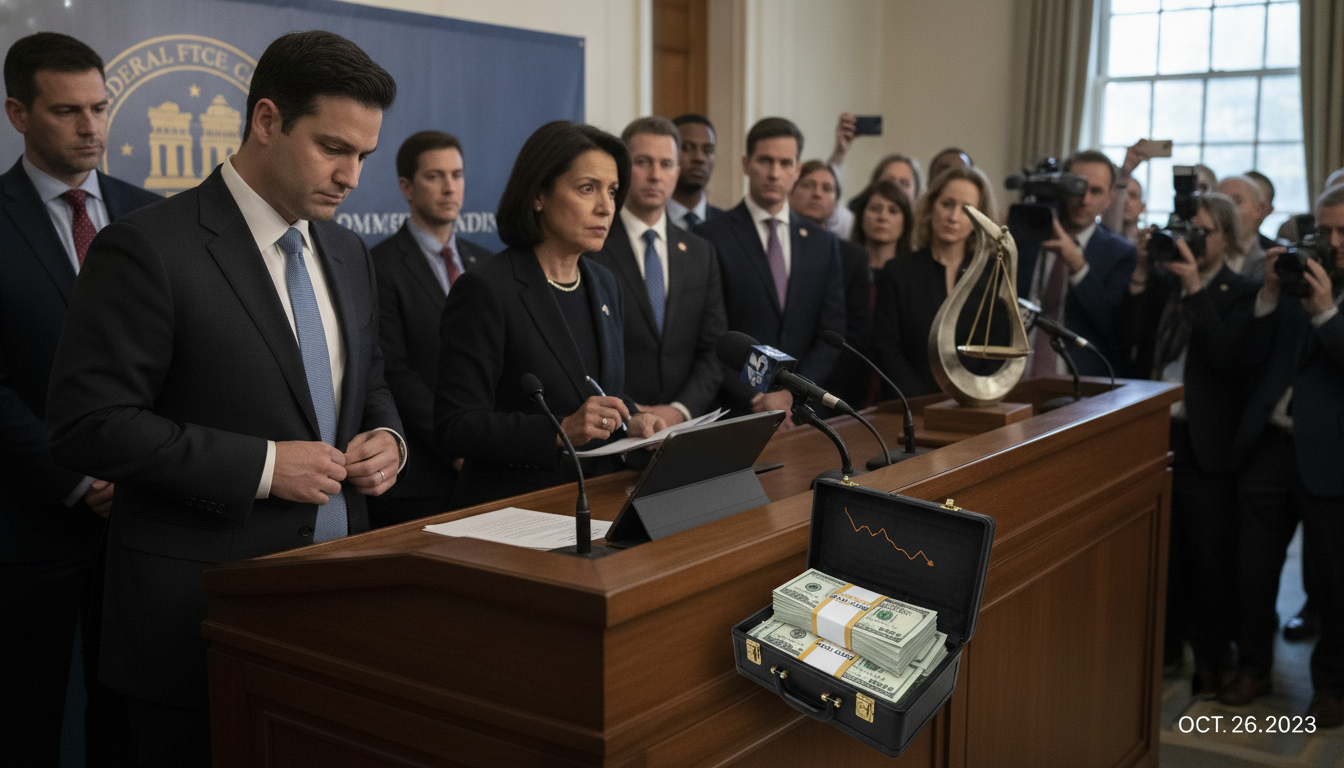
Amazon FTC settlement renews scrutiny of Prime subscription practices
Amazon FTC settlement: After agreeing to a $2.5 billion payment to Prime subscribers last year, prompting renewed scrutiny and debate over its subscription practices.
Amazon’s agreement to resolve a high-profile enforcement action with the U.S. Federal Trade Commission has kept regulatory attention on the company’s subscription processes. The Amazon FTC settlement, which saw the retailer accept $2.5 billion in penalties and refunds to Prime members, was framed by the agency as a response to misleading tactics that steered consumers into paid plans. The settlement has since become a reference point in discussions about digital subscription transparency and consumer protections.
FTC Allegations and Settlement Details
The Federal Trade Commission alleged that Amazon used practices that improperly enrolled consumers in subscription services, leading to charges without clear consent. In response, the company consented to a settlement that included $2.5 billion in combined fines and reimbursements directed at affected Prime subscribers. Regulators described the agreement as intended to both compensate customers and deter similar conduct in the future.
Scope of Payments to Prime Subscribers
Under the terms reported at the time, the payment package was designed to refund customers who were found to have been enrolled through misleading or opaque flows. The refunds targeted Prime subscribers who paid for memberships or renewals tied to the practices the FTC highlighted. The settlement aimed to make restitution while signaling to the marketplace that subscription enrollment processes require clearer disclosure.
Amazon’s Public Response and Compliance Steps
Amazon characterized its actions in regulatory forums as part of broader efforts to improve user interfaces and customer communications. Company statements at the time emphasized steps taken to clarify subscription prompts, cancellation paths, and billing notices to reduce consumer confusion. Those changes were presented as measures to align consumer experience with the settlement’s intent and to avoid repeat enforcement.
Regulatory Context and Industry Implications
The Amazon FTC settlement has reverberated beyond one company, prompting closer examination of how digital platforms present subscription options. Regulators and consumer advocacy groups say the case underscores the need for transparent consent mechanisms online. Lawmakers and other agencies have cited the matter when debating whether stronger rules are required for recurring billing and subscription disclosures across the tech sector.
Consumer Reactions and Market Consequences
Affected Prime members and consumer advocates welcomed the prospect of refunds, while some called for more systemic reforms to prevent similar issues. The settlement also placed pressure on competitors to review their own onboarding and renewal workflows to avoid regulatory scrutiny. For customers, the case raised awareness about checking billing settings and understanding trial-to-subscription transitions on major platforms.
The Amazon FTC settlement has become part of a broader conversation about how subscription services should be marketed and managed in the digital economy. While the monetary resolution addressed past customer harm, the case reinforced expectations for clearer user consent and accountable billing practices going forward. Industry observers continue to watch whether additional regulations or follow-up enforcement actions will emerge to further shape subscription business models.
