
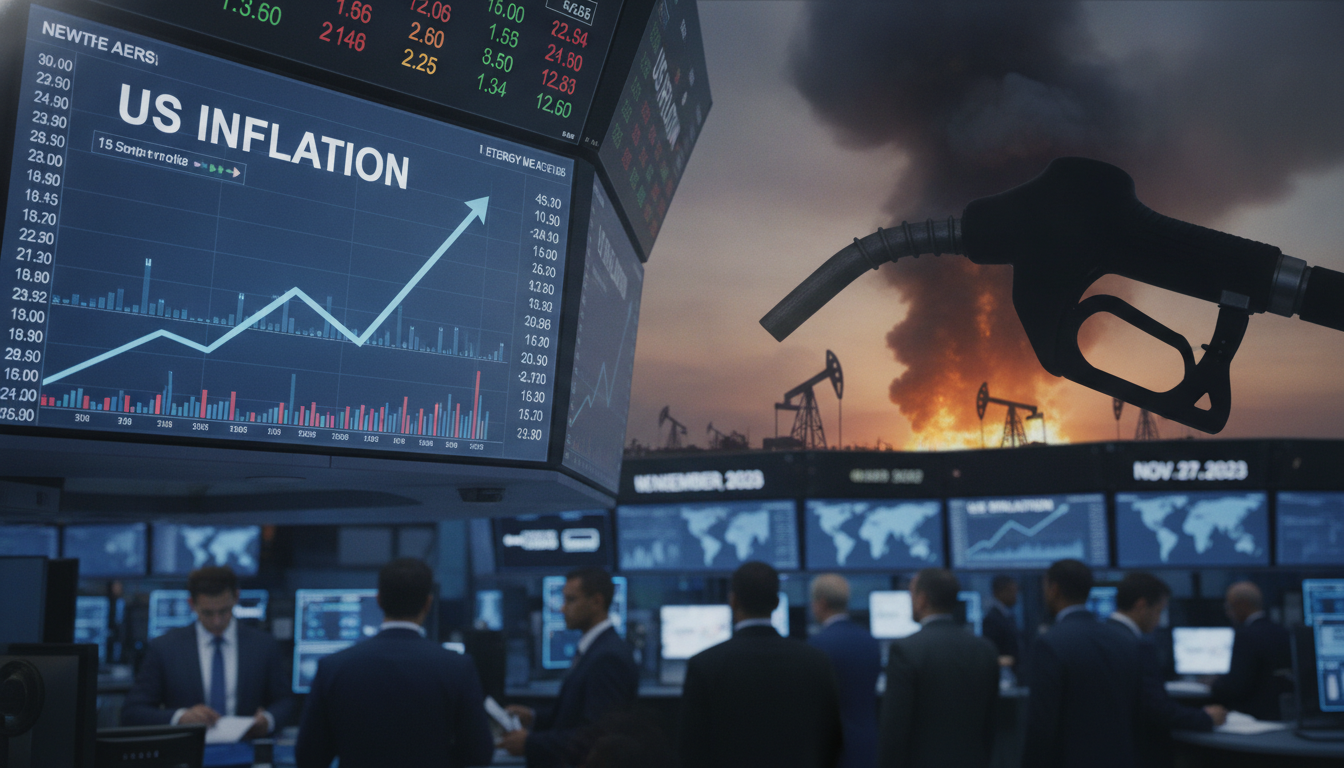
US inflation holds at 3.7% through July as energy and tariffs drive rate-watch
US inflation held at 3.7% year-over-year through July, heightening pressure on the Federal Reserve as energy shocks and new Canada-US tariffs threaten prices and markets.
Inflation in the United States remained stubbornly above the Federal Reserve’s 2 percent target for the 65th consecutive month, the Bureau of Economic Analysis reported on Aug. 26, 2026. The Personal Consumption Expenditures Price Index — the Fed’s preferred inflation gauge — was 3.7 percent in the 12 months through July, unchanged from June, keeping US inflation squarely on policymakers’ radar.
PCE Price Index at 3.7% through July
The BEA’s July report showed headline PCE at 3.7 percent year-over-year and a month-on-month gain of 0.2 percent, reversing June’s 0.1 percent decline. Economists surveyed by Reuters had expected a slightly cooler 3.6 percent annual rate and a 0.1 percent monthly increase, making the data modestly firmer than consensus.
Core PCE, which strips out volatile food and energy costs, held at 3.3 percent on the year and rose to 0.2 percent on the month from 0.1 percent in June. The persistence of core inflation underscores how price pressures have broadened beyond energy and basic commodities.
Markets push up odds of a September rate increase
Investors responded to the report by recalibrating expectations for Federal Reserve action at the Sept. 15–16 meeting. Fed funds futures priced in roughly a 42 percent probability of a rate hike immediately after the data, up from about 36 percent before the release.
Forecasters and market strategists said the firmer-than-expected readings increase the odds that the Fed will delay easing or opt for another tightening action to press inflation back toward target. “This is data that supports a hike,” said Omair Sharif, founder and president of Inflation Insights, reflecting the view of analysts who see upside risks to price growth.
Energy shock after strikes on Iran pushed prices higher
Economists note that US inflation worsened after a spike in energy prices following strikes on Iran late in February 2026 — a development that briefly closed off an estimated one-fifth of global oil supplies. The annual PCE rate climbed to a three-year high of 4.1 percent in May as oil and fuel costs surged into mid-spring.
While oil prices and headline inflation have retreated from their spring peaks, the disruption left a lasting imprint on inflation dynamics and expectations. The influence of energy costs has been uneven across sectors, prompting officials to weigh whether recent gains are transitory or likely to feed more persistent price increases.
Gas prices rebound and real incomes remain strained
Retail petrol prices have edged higher in August, with the American Automobile Association reporting a national average of about US$4.10 per gallon (3.8 litres) on the night of the BEA release. That rebound is likely to show up in next month’s inflation figures and could sustain headline PCE above the Fed’s comfort zone.
Real, inflation-adjusted incomes provide another reason for concern. The BEA data showed that, compared with a year earlier, inflation-adjusted incomes rose only 0.2 percent, after several months of declines, indicating that households have seen limited relief from rising costs.
Canada-US tariff dispute adds new cost pressures
Trade tensions between Washington and Ottawa sharpened last week when negotiations collapsed, prompting the United States to impose new levies on roughly US$20 billion of Canadian goods. Canada and the US subsequently announced further retaliatory measures to take effect in coming months unless a settlement is reached.
Economic analysts warn that fresh tariffs could add another layer of price pressure for some products, feeding into consumer prices and complicating the Fed’s task. For Canada, higher US tariffs could reverberate through bilateral trade flows and raise costs for supply chains that span the border.
Consumer sentiment remains subdued despite easing from peaks
Surveys of US households continue to show weak confidence about the economy and personal finances, mirroring the modest gains in real incomes. Consumers’ reluctance to spend freely could blunt demand in some sectors, but persistent price increases risk undermining purchasing power and sentiment further.
Policymakers will be watching whether inflation expectations among households and businesses drift higher, a development that could entrench price-setting behavior and make disinflation more difficult. For now, the mix of energy volatility, trade disputes and sticky core inflation leaves forecasters evenly split on the timing and scale of the Fed’s next move.
Looking ahead, the Federal Reserve faces a delicate trade-off: avoid choking off a still-resilient labour market while keeping a lid on inflation that has proved more persistent than officials expected. The September meeting and the August consumer-price data set to be released next month will be closely watched for signs of whether US inflation is finally on a durable path back to 2 percent.
