
U.S. sanctions on Cuba expand to nine state-owned mining, metal and construction firms
U.S. sanctions on Cuba broaden as Washington blacklists nine state-owned mining, metal and construction firms and three ICAP officials amid rising tensions.
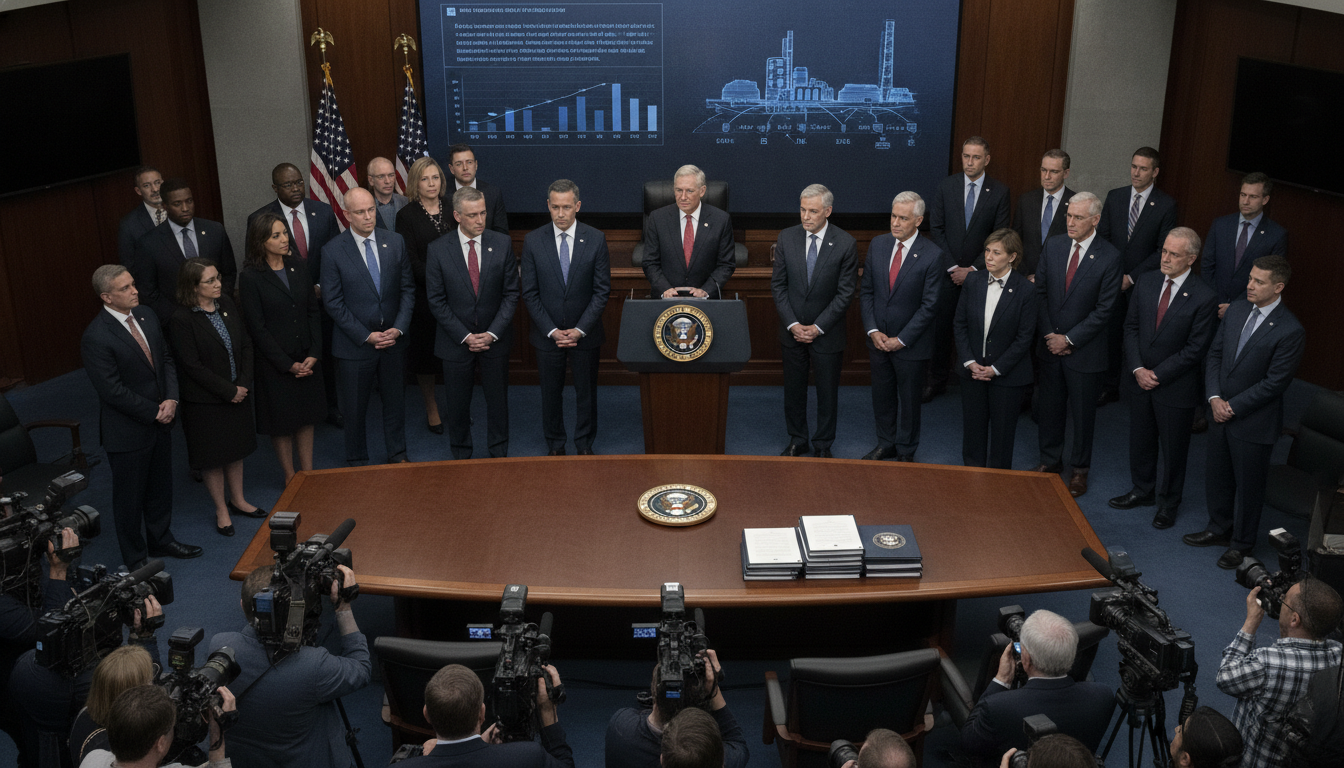
The United States on Thursday announced a fresh round of U.S. sanctions on Cuba, designating nine state-owned mining, metal and construction companies and sanctioning three senior officials tied to the Cuban Institute of Friendship with the Peoples (ICAP).
The Treasury Department posted the notice, naming the Ministry of Construction and several government-controlled importers among the entities targeted.
Companies and officials added to the blacklist
The list of designated firms includes enterprises involved in mineral extraction and trade, most notably state mining concerns that oversee deposits of nickel and cobalt.
Officials said the mining group GEOMINSAL and other state-owned import and construction companies were among those cited in the Treasury notice.
Three individuals associated with ICAP, a state organisation that coordinates Cuba’s international outreach, were also named in the measures.
The sanctions freeze any U.S. assets the entities or persons hold and generally bar U.S. persons from dealing with them.
U.S. government frames measures as national security action
An accompanying statement from U.S. officials described the designated companies and individuals as threats to U.S. national security and accused them of supporting activities the administration deems repressive.
Senator Marco Rubio, a long-time critic of the Cuban government, publicly characterised the targeted firms as sustaining the regime’s security apparatus and condemned ICAP for fostering international networks that, he said, back the Cuban government.
The White House pointed to an executive order issued in May that authorises sanctions against those “responsible for repression” as legal justification for the latest designations.
Administration spokespeople said the measures form part of a broader campaign to increase economic and diplomatic pressure on Cuba.
Economic pressure and energy restrictions cited
Officials and analysts trace the latest action to a wider U.S. effort that has tightened trade and financial channels to Cuba this year.
The administration curtailed Venezuelan oil exports to the island and warned third countries that supply fuel to Cuba they could face consequences, which Washington says targets the regime’s lifelines.
Cuban authorities and outside observers report that reduced fuel deliveries have contributed to power outages and supply shortages across the island.
U.S. officials argue such measures are intended to undermine the government’s capacity to finance and sustain institutions the United States views as oppressive.
United Nations and human rights experts raise alarm
United Nations human rights officials have warned that tightened sanctions and energy shortages risk worsening humanitarian conditions in Cuba, particularly for vulnerable groups.
In recent months UN experts and the UN High Commissioner for Human Rights have pointed to rising infant mortality and declining survival rates for children with serious illnesses as worrying trends linked to access limitations.
Those UN statements urged that restrictions harming civilians be eased, arguing that extraterritorial pressure can have unintended humanitarian consequences.
The commissioner called for measures that protect human rights and insisted humanitarian needs must remain paramount in policy decisions.
Political context and U.S.-Cuba relations
The sanctions come amid heightened U.S. rhetoric pressing for political change in Havana and a stated policy of “maximum pressure” by the current administration.
Officials have signalled a desire to isolate and weaken the Cuban government’s financial and logistical networks as part of a longer-term strategy.
Cuban authorities denounced the designations, describing them as an escalation that unfairly targets Cuba’s state institutions and hampers normal economic activity.
Diplomatic channels remain strained, and the new measures are likely to complicate any ongoing or future negotiations between Washington and Havana.
Potential economic and diplomatic fallout
Sanctions on state mining and construction firms could further shrink the island’s access to foreign revenue and technical imports, with knock-on effects for employment and infrastructure projects.
Business partners that interact with the designated entities may face secondary penalties, prompting some third-country companies to reconsider transactions with Cuban counterparts.
Analysts say the new designations may also prompt international debate over the use of broad sanctions and the balance between political objectives and humanitarian safeguards.
Foreign governments and multilateral institutions will watch how both sides manage fallout and whether relief or escalation follows.
The Treasury Department’s notice is the latest step in a year of intensifying measures against Havana, and officials on both sides say the episode will shape U.S.-Cuba relations in the months ahead.
