
Cuban Immigrant Arrested by ICE Sent to Eswatini Prison, Sparks Hunger Strike
ICE transferred Cuban immigrant Roberto Mosquera to an Eswatini prison he did not know; after a hunger strike he spoke by phone about conditions and his case.
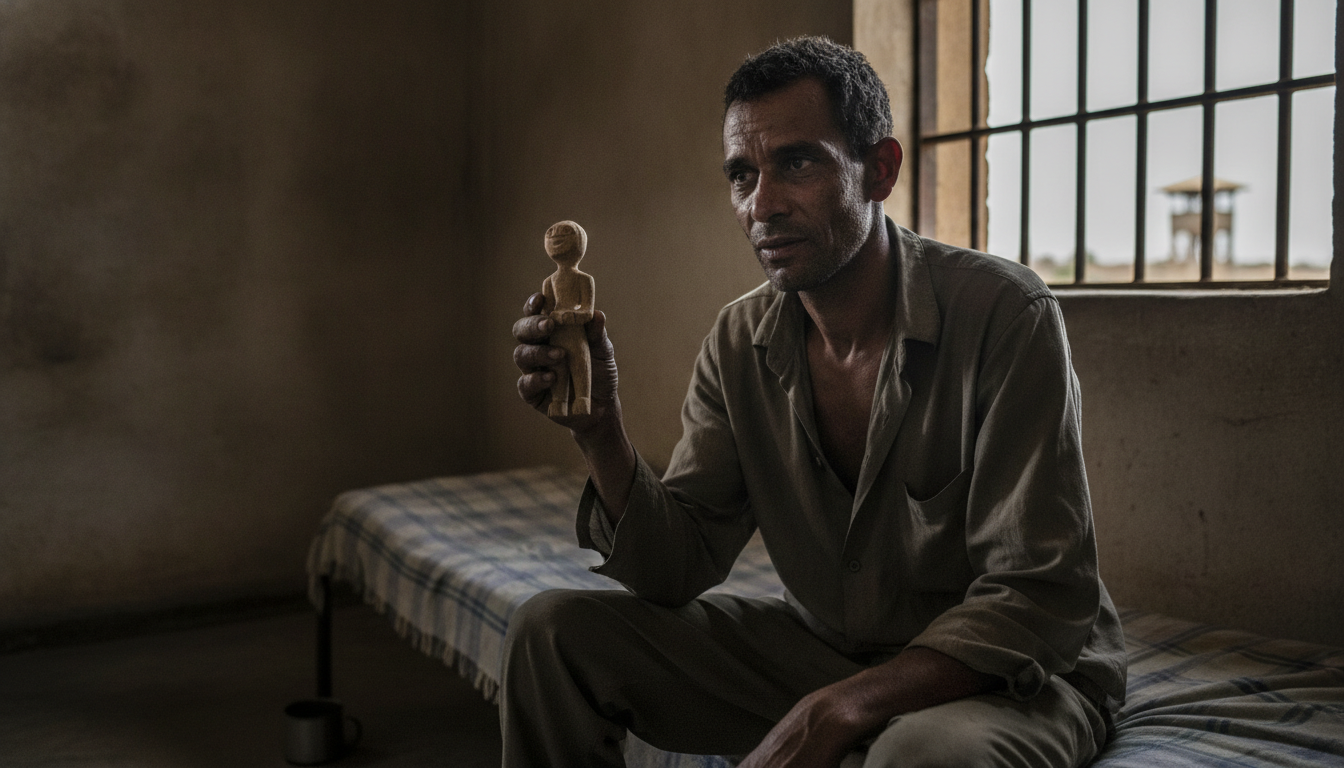
Roberto Mosquera, a Cuban immigrant who has lived in the United States since 1980, says he was arrested by U.S. Immigration and Customs Enforcement and moved thousands of kilometres away to a prison in Eswatini, a small African kingdom he says he had never heard of. The transfer followed a 1996 U.S. prison sentence he completed decades earlier, and he has since staged a hunger strike to protest his detention and treatment. Mosquera later obtained a phone and spoke by phone with a reporter to describe his situation and the conditions inside the facility.
ICE Arrest and Overseas Transfer
Mosquera says his arrest by ICE occurred last year and led to an unexpected international transfer rather than detention in the United States. He reports that he was flown to Eswatini and placed in a local prison, a move that surprised him and his family because he had no prior connections to the country. U.S. transfers of immigration detainees to third countries are uncommon and raise questions about the basis and legality of such moves.
The details of the transfer — including which offices authorized it, the legal justification used, and whether any agreements with Eswatini were invoked — remain unclear. Mosquera’s account has prompted scrutiny from advocates who say transfers to distant jurisdictions complicate access to legal representation and consular assistance. ICE did not release immediate public comment through Mosquera’s account, and records related to the case have not been made public.
Mosquera’s Background
Mosquera emigrated from Cuba to the United States in 1980 and later served a prison sentence that ended in 1996, according to his own statements. He says he has spent decades living in the U.S. since his arrival and that he did not anticipate being sent to another country for detention. His case highlights the complex intersections between criminal history, immigration enforcement, and efforts by authorities to resolve immigration status.
Advocates for immigrants note that long-settled individuals who served sentences long ago still face removal proceedings in some circumstances, especially when criminal records trigger immigration consequences. Mosquera’s narrative underscores how past convictions can continue to shape migration outcomes many years later, sometimes in ways that detainees find bewildering or disproportionate.
Conditions Inside the Eswatini Facility
According to Mosquera’s account, conditions in the Eswatini prison were dire enough to provoke a hunger strike. He described limited access to resources and constrained communication options until he was finally able to obtain a working phone. The lack of familiar legal support and language barriers added to his isolation and the difficulty of mounting a defense or seeking external help.
Observers who have reviewed similar detention settings say that prisons in smaller jurisdictions may lack the infrastructure and oversight systems common in larger, more resourced countries. That reality can affect detainees’ physical and mental health and make it harder for outside lawyers or family members to secure visitation or case records. Mosquera’s case has drawn attention precisely because of those logistical and humanitarian concerns.
Hunger Strike and Communication with a Reporter
Mosquera made headlines after staging a hunger strike, which he said was intended to draw attention to his plight and compel authorities to address his situation. The strike culminated in him obtaining a phone and speaking with a reporter, an episode that produced the only detailed public account of his experience to date. His testimony provided a rare window into a detainee’s perspective from inside a facility outside the United States.
The phone conversation conveyed Mosquera’s confusion about why he had been sent so far from the life he had built over decades in the U.S. He also detailed the personal toll of detention and the obstacles to securing legal counsel across borders, issues that legal aid groups say are central to ensuring due process. Those groups say detainees transferred abroad face distinctive barriers to mounting effective legal challenges.
Legal and Diplomatic Questions Raised
Mosquera’s transfer raises immediate legal questions for immigration lawyers and civil liberties advocates, including the legal authority ICE relied on and the access detainees should have to U.S. legal remedies. There are also diplomatic dimensions: Eswatini is not commonly featured in U.S. immigration enforcement narratives, and the extent of any formal arrangement between the United States and Eswatini has not been disclosed. Those gaps fuel calls for greater transparency.
Civil society organizations argue that transfers of this nature require clear procedures to protect detainees’ rights, including timely notice to consulates, access to counsel, and oversight by independent monitors. Legal experts note that when detainees are removed or transferred to third countries, avenues for judicial review and family contact can be severely restricted. Mosquera’s account has sharpened focus on whether current oversight mechanisms are sufficient.
Responses and Next Steps
As of Mosquera’s phone interview, neither ICE nor Eswatini authorities had publicly confirmed the circumstances described, and independent verification remains limited. Advocates are seeking more information and urging authorities to disclose the legal basis for the transfer and to ensure Mosquera has access to legal representation. The case has also prompted requests for consular notification and involvement from any relevant diplomatic channels.
Legal advocates say the immediate priorities are clarity on Mosquera’s immigration status, the reasons for the overseas transfer, and the restoration of adequate communication and legal access. They stress that transparency and adherence to established procedural safeguards are critical to resolving the case and preventing similar situations in the future.
Roberto Mosquera’s account of being detained in an Eswatini prison after an ICE arrest illuminates gaps in cross-border detention practices and has prompted urgent questions about legal authority, prisoner welfare, and oversight while authorities sort out the next steps.
