
Supreme Court Bars Yabloko From Duma Ballot Ahead of September Vote
Supreme Court bars Yabloko from Russia’s September Duma ballot, citing undeclared support; party vows to appeal as supporters warn this narrows anti-war options
Russia’s Supreme Court on August 10, 2026, removed Yabloko, the lone officially registered party opposing the war in Ukraine, from the list of candidates for next month’s State Duma election. Yabloko was disqualified after a legal challenge by the pro-Kremlin nationalist party Rodina alleging undeclared campaign support, claims the liberal party rejects and vows to contest. The ruling eliminates the primary institutional avenue for voters to register formal opposition to the four-and-a-half-year conflict in the September parliamentary vote.
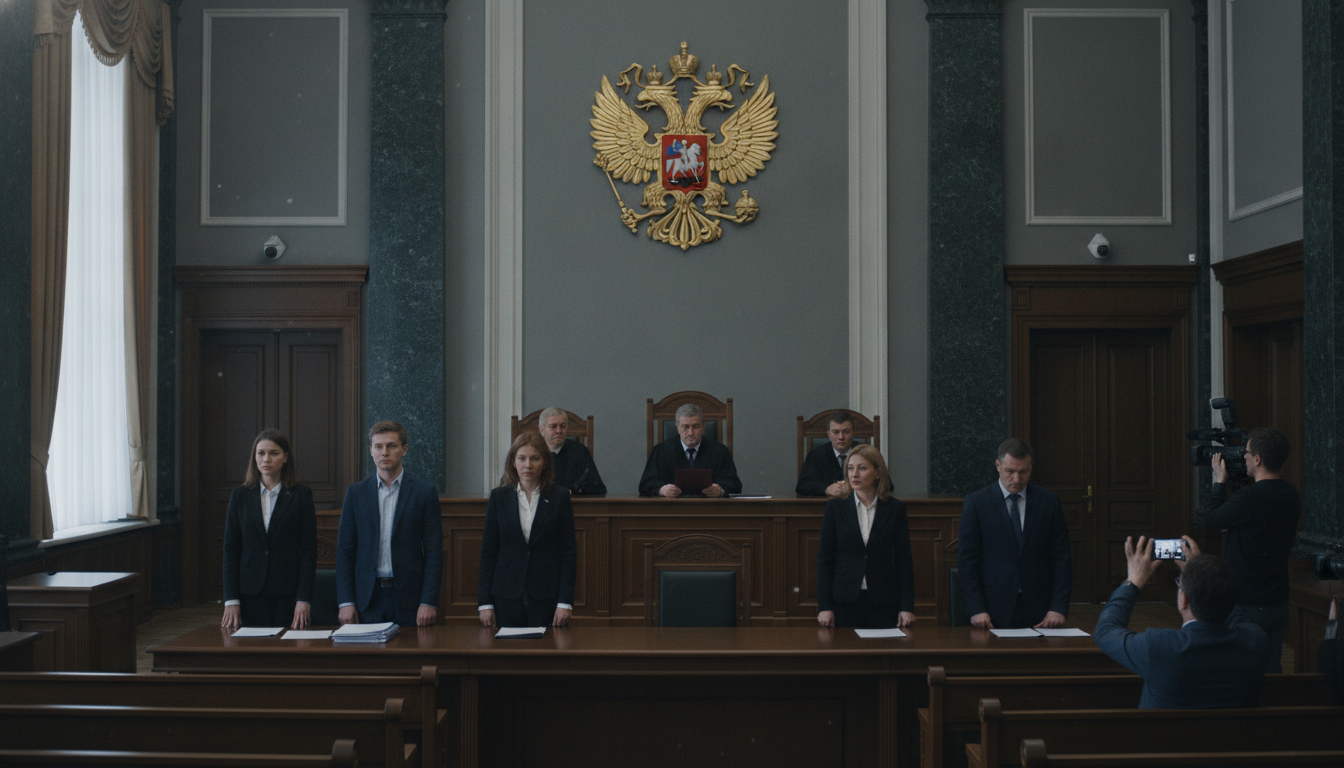
Supreme Court Decision
The Supreme Court upheld Rodina’s suit to annul Yabloko’s federal candidate list, a verdict announced by Judge Vyacheslav Kirillov. The Central Election Commission had permitted Yabloko’s registration last month before the court action overturned that approval. The decision leaves the party off ballots for the State Duma’s ninth convocation ahead of elections scheduled in September.
Rodina’s Allegations and Evidence
Rodina accused Yabloko of receiving undeclared campaign assistance, including funding or support traced to Western sources, and raised other procedural complaints. The party argued those irregularities were sufficient to invalidate Yabloko’s registration under electoral law. Rodina’s challenge was narrow in scope but decisive in its legal effect, prompting the court to remove the party from the ballot.
Yabloko’s Response and Appeal Plans
Yabloko leader Nikolai Rybakov rejected the claims as unproven and framed the case as a politically motivated effort to stifle dissent. He told supporters the party would lodge an appeal against the court’s ruling and continue to seek legal avenues to restore its ballot access. Rybakov has emphasized the party’s stated mission to pursue diplomacy and an end to the conflict, positioning the appeal as part of that broader effort.
Supporters’ Demonstration Outside the Courthouse
Roughly 100 supporters, many of them young, gathered outside the court after the ruling, chanting and displaying apples as a symbol of Yabloko — the Russian word for “apple.” Police were present but the gathering remained largely peaceful, with participants voicing anger that voters would be deprived of an organized anti-war option. The scene underscored how limited public dissent has become within formal political channels.
Electoral Impact and Political Context
Yabloko was polling at roughly three percent earlier this year, below the five-percent threshold required for Duma representation, according to surveys cited by party officials. The party has not held seats in the State Duma since 2003, while United Russia has dominated parliamentary votes with the Kremlin’s backing. With many prominent Kremlin critics jailed, exiled or otherwise sidelined, Yabloko’s removal further narrows the field of registered political alternatives within Russia’s electoral system.
Peace Debate and International Echoes
Yabloko has publicly advocated diplomatic efforts to end the war and has drawn support from exiled opposition figures, including Yulia Navalnaya, the widow of Alexey Navalny, both of whom are designated “extremists” under Russian law. Independent polling cited by analysts suggests a majority of Russians favor negotiations with Kyiv, but official politics has tightened around hardline positions. International observers and rights groups are likely to view the court action as another indicator of shrinking space for organized dissent.
The appeal process will be closely watched by Russian voters and foreign governments ahead of the September vote, though legal experts note that court reversals in politically charged cases are rare. As the election approaches, the disqualification could depress the visibility of formal anti-war messaging inside Russia and concentrate parliamentary competition among parties aligned with the Kremlin. Yabloko’s leaders insist they will continue to press for legal remedies and for public debate on an end to the conflict.
