
Calgary keeps backyard suites discretionary while permitting secondary suites to speed approvals
Calgary council keeps backyard suites discretionary while permitting secondary suites to speed approvals, cut fees and shorten processing times for homeowners.
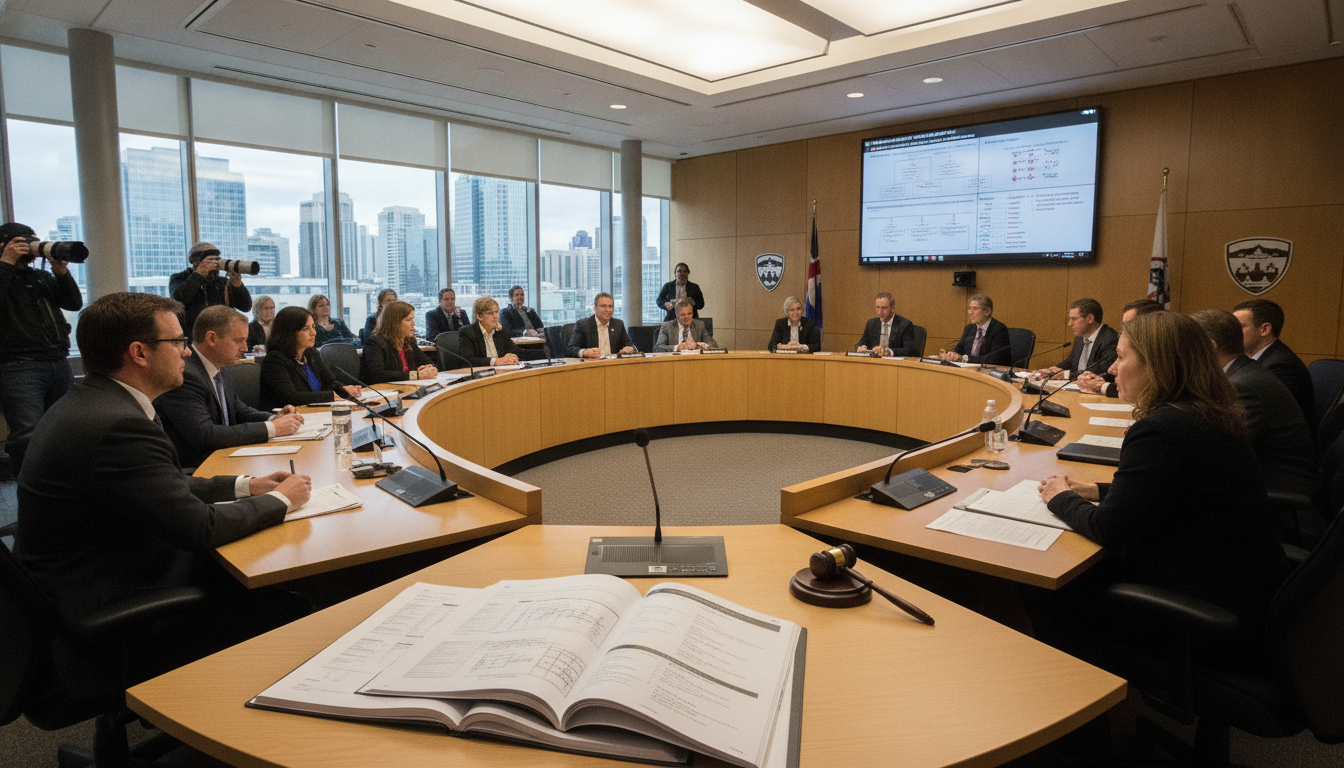
Calgary city council has voted to list secondary suites as a permitted use while preserving backyard suites as a discretionary development across the city, a split decision aimed at balancing faster approvals with site-specific review.
The change affects how homeowners will apply for new rental units and accessory housing in residential neighbourhoods and comes as the city prepares for a major zoning transition set to take effect on Aug. 4, 2026.
City administration had urged both backyard suites and basement suites be made permitted uses to avoid inconsistent rules, but council adopted a compromise that will speed basement-suite approvals while keeping laneway and at‑grade accessory buildings subject to development permits.
Council keeps backyard suites as discretionary use
Councillors approved an amendment to retain backyard suites as discretionary, meaning those projects will require a development permit before construction can proceed.
The amendment, moved by Ward 11 Coun. Rob Ward, reflects council’s preference to evaluate backyard buildings on a lot‑by‑lot basis because they introduce new structures and change the use of rear yards.
Under the discretionary approach, planning staff will review backyard suite proposals for site-specific impacts and neighbours retain appeal rights through the development permit process.
Secondary suites moved to permitted status to speed approvals
Council voted to make secondary suites a permitted use across low‑density residential zoning, exempting most basement and in‑house units from a separate development permit.
When applications meet bylaw rules, owners will proceed directly to building permits, a shift that administration says could shave roughly six weeks off processing time and save applicants more than $600 in fees.
City projections estimate the change could support construction of about 2,300 secondary suites annually by removing a regulatory hurdle for many homeowners.
Administration cited zoning inconsistency after citywide rezoning repeal
City planners urged a permissive approach after council repealed a prior citywide rezoning framework that had been scheduled to take effect this month.
Administration argued the repeal would leave residential properties governed by 16 different zoning districts, creating “significant inconsistency” and complicating how suites are applied for and approved across neighbourhoods.
To avoid that patchwork outcome, planners recommended both secondary and backyard suites be permitted uses so the standard rules would apply uniformly regardless of parcel zoning.
Numbers and approvals: what recent data showed
City records cited by administration showed a very high approval rate for secondary suite applications, with 98.9 per cent approved in the most recent reporting year.
There were 6,232 registered secondary suites in Calgary in 2025, according to the figures presented to council, and narrowly funded pilot programs have been promoting backyard and secondary suites as part of the city’s housing response.
For backyard suites specifically, planners noted 192 development permit applications were submitted last year and only two were refused, a statistic some councillors used to argue for streamlining the process.
Council debate: risk, flexibility and neighbourhood impact
The council debate was tightly contested and revealed differing priorities among elected members about speed versus scrutiny.
Proponents of permitting secondary suites framed the move as a pragmatic way to add rental supply quickly and reduce red tape for homeowners converting existing floor area.
Opponents, including the seven councillors who opposed making secondary suites permitted, warned that automatic approvals across all low‑density zones could overlook local circumstances and constrain the city’s ability to tailor rules to neighbourhood character.
Backyard suites, lot uniqueness and planning discretion
Coun. Rob Ward and others argued backyard suites involve new construction and raise issues—such as access, servicing, sightlines and privacy—that vary widely by parcel.
Ward told council that hiring planners to assess the unique conditions of each lot allows tailored solutions and gives neighbours an avenue to raise concerns through the development permit process.
That perspective won enough support to keep backyard suites discretionary despite administration’s recommendation and some council pushback to make both forms of accessory housing permitted.
Mayor and council members on housing and regulatory balance
Mayor Jeromy Farkas voiced support for automatic approval of basement suites, saying they represent an important, lower‑impact path to adding housing within existing building envelopes.
Farkas also acknowledged public and council unease around proposed expansions to backyard suite rules, including proposals to increase maximum floor area for laneway units.
He said the city still sees backyard suites as a critical part of the housing supply picture while signalling the need for moderated, incremental change rather than blanket permissiveness.
Cost, time savings and projected uptake
City administration estimated that directing compliant secondary suite applications straight to building permits would reduce wait times by about six weeks and cut permit costs by more than $600 per application.
Those savings were projected to make accessory rental housing more attractive to homeowners and accelerate delivery, supporting municipal housing targets and providing more options for renters.
Estimates that as many as 2,300 secondary suites could be built annually reflect modeling of demand and the anticipated removal of procedural barriers.
Concerns about scale and proposed rule changes
Some councillors and members of the public expressed concern that pairing permitted status with proposed relaxations—such as larger allowable backyard suite footprints—would amount to too much change at once.
Administration had proposed several rule adjustments for backyard suites, including increases to maximum interior floor area, which opponents said raised the stakes for neighbourhood impacts.
That combination of automatic approval plus larger structures was flagged by several speakers as a reason to proceed cautiously and preserve discretionary review for backyard buildings.
Accessibility advocates voice disappointment
Accessibility advocates said the decision to keep backyard suites discretionary was a setback for people with mobility needs who had argued for more at‑grade, accessible housing options.
Stephanie Chipeur, the Azrieli Accelerator Professorship in Law & Disability Policy at the University of Calgary, told council that at‑grade backyard suites can remove barriers and allow people who use wheelchairs to live close to family supports and remain in their communities.
Chipeur said that funding, design supports and policy changes are needed to ensure accessible accessory housing is feasible and affordable for those who need it most.
Appeals, neighbour input and development certainty
Because backyard suites will require development permits, neighbours retain statutory rights to be notified and, in some cases, appeal permits to the development authority or relevant tribunals.
Council members supporting discretionary review said that process preserves transparency and allows planners to craft conditions—such as landscaping, privacy screening and access improvements—to mitigate impacts.
Opponents countered that near‑universal approval rates for backyard suite permits suggest the appeals and review system adds costly delays for projects that are ultimately acceptable.
Operational implications for city staff and resources
Coun. Craig Schmidt warned that keeping backyard suites discretionary could increase the workload for planning staff at a time when the city is managing Local Area Plans and a new Calgary Plan and zoning bylaw.
Schmidt argued the development permit stream is resource intensive and that additional staff or funding might be necessary to process the discretionary applications in a timely way.
Administration will need to plan for workload impacts, triage processes and potential investments in permitting capacity if backyard suite applications rise under the new framework.
What homeowners should expect under the new rules
Homeowners proposing secondary suites that meet the bylaw requirements should be able to move directly to building permit applications, cutting a development‑permit step from the process.
Applicants for backyard suites should prepare for a development permit submission that includes site plans, impact mitigation measures and potentially a public notice period.
Property owners are advised to consult the city’s planning and permit guidance early in the process to minimize delays and ensure proposed projects conform to applicable rules.
Next steps and timeline for implementation
With the repeal of the earlier citywide rezoning set to take effect on Aug. 4, 2026, the new approach to secondary and backyard suites will come into operational play as the city transitions zoning rules.
Administration will update permitting guidance and internal procedures to reflect the permitted status of secondary suites and the discretionary process for backyard suites.
Council decisions also leave room for future policy adjustments as the new Calgary Plan and Local Area Plans continue to take shape and as the city monitors outcomes from this change.
Broader housing strategy and municipal priorities
City officials framed the changes as part of a broader effort to increase housing supply and provide more options in established neighbourhoods without wholesale changes to neighbourhood character.
Permitting basement suites more easily aligns with strategies to add gentle density inside existing homes, while discretionary review for backyard suites reflects sensitivity to lot‑level impacts.
The split decision reflects a pragmatic municipal balancing act between accelerating supply and preserving the neighbourhood review mechanisms that councillors and residents value.
Calgary’s decision to permit secondary suites but keep backyard suites discretionary marks a notable shift in local regulation, aiming to speed approvals for lower‑impact conversions while retaining targeted oversight for new rear‑yard construction.
The change responds to high approval rates for past applications and to administration concerns about zoning inconsistency after the rezoning repeal slated for Aug. 4, 2026.
Council members, accessibility advocates and homeowners will be watching implementation closely as the city adjusts permitting practice and measures the policy’s effect on housing supply, neighbourhoods and the accessibility of new units.
