
Cyclospora outbreak linked to Guanajuato lettuce fuels U.S. probe and local alarm
Cyclospora outbreak traced to shredded iceberg lettuce has prompted an FDA traceback and shaken communities in Guanajuato, where residents and workers fear economic fallout.
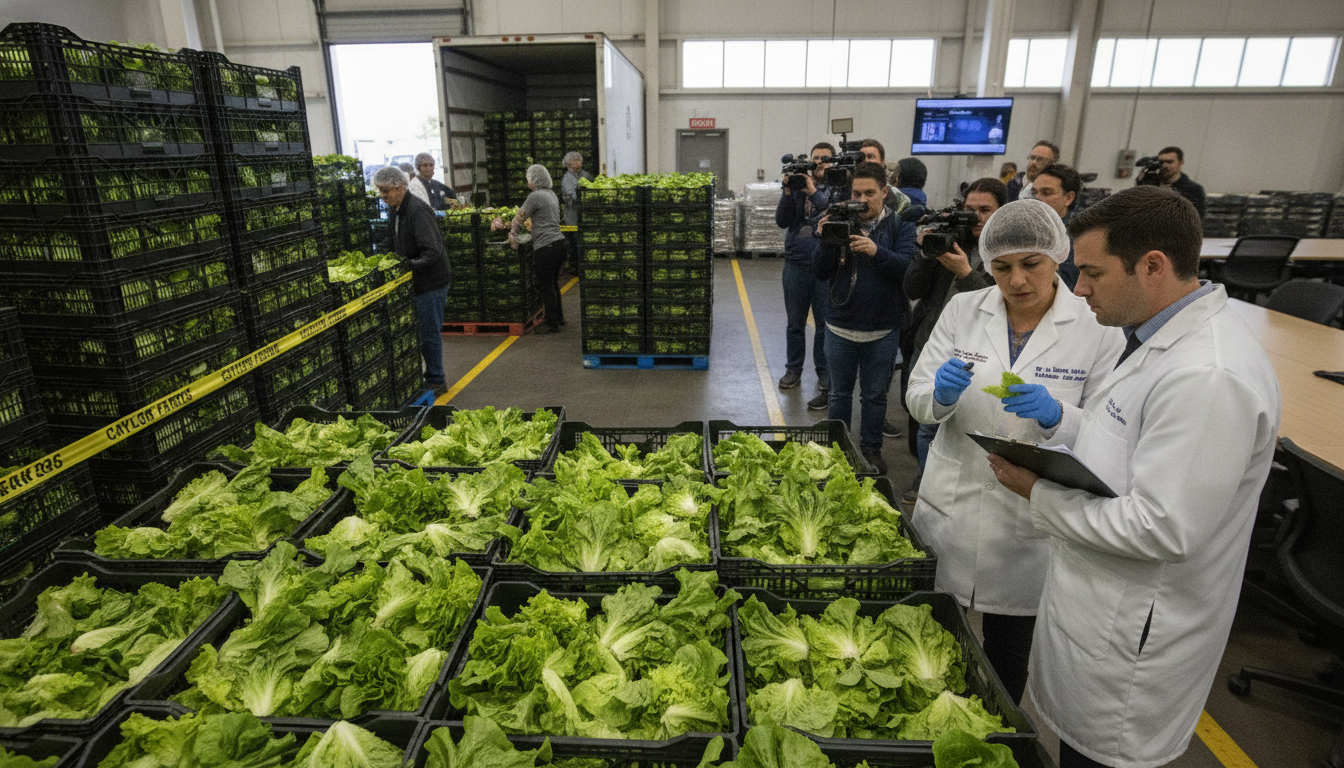
A U.S. investigation has converged on shredded iceberg lettuce sourced from Guanajuato, central Mexico, as officials probe a large cluster of cyclospora infections, according to health authorities. The cyclospora outbreak has led retailers to pull affected products and prompted testing and inspections at processing facilities linked to regional supply chains.
FDA traceback and testing developments
The U.S. Food and Drug Administration says its traceback work and epidemiological evidence point to shredded iceberg lettuce produced at processing locations in central Mexico. Company officials say they removed lettuce sourced from Guanajuato from U.S. distribution while testing and the inquiry continue.
Federal testing produced at least one contested result that was later described as a false positive by some parties, but the agency maintains the broader epidemiological data remain the primary driver of its investigation. Regulators from Mexico and the United States have both stepped up sampling and inspections at farms and processing plants tied to the supply network.
Reaction in Doctor Mora and nearby towns
In Doctor Mora, a town that hosts a major processing complex, residents expressed a mix of disbelief, humor and growing concern about reputational damage. Workers at family-run shops and market stalls said the outbreak coverage has quickly reshaped how neighbours and buyers see locally grown produce.
Some locals joked about being tougher to stomach American food, while others worried that even the suggestion of contamination could translate into lost sales and layoffs. Small vendors reported customers asking questions about where their lettuce was grown and how it was processed.
Economic stakes for workers and growers
Taylor Farms and its affiliated operations are significant employers across the region, offering steady wages to harvest crews, line workers and truck drivers. Local officials warned that prolonged removal of Guanajuato-sourced lettuce from export channels could idle production and strain household incomes in agricultural communities.
The mayor of Doctor Mora voiced particular concern for seasonal and permanent employees on processing lines, saying the immediate question is how workers and local growers will cope if shipments remain suspended. Agricultural economists note that disruptions in a tightly integrated supply chain can ripple quickly through rural towns reliant on a single commodity.
Public health authorities coordinate sampling
Mexican health regulators have been collecting and testing samples from farms in the affected region as part of a cooperative response, and inspectors from the federal regulatory body have been reported at processing sites. Mexican officials have said so far they have not found evidence amounting to a declared outbreak within the country, while emphasizing continued precautionary testing.
Epidemiologists caution that cyclospora infections can be challenging to track because surveillance systems vary between countries and because symptoms often prompt people to seek care in different jurisdictions. The parasite causes severe gastrointestinal illness characterized by cramps, nausea and prolonged diarrhoea, and confirmation typically depends on specific laboratory testing.
Company history and prior investigations
The current inquiry has reignited memories of a previous multistate cyclospora incident linked to bagged salad products from processing facilities in the same region several years ago. That earlier investigation identified a connection to packed salad but was unable to determine the precise contamination source, including the role of water or on-site practices.
After past probes, processing operations in the area resumed under upgraded procedures and monitoring, but the recurrence of an investigation has renewed scrutiny of food-safety controls at the farm and packing levels. Industry representatives stress that routine pre-export testing and preventive measures are standard practice, while regulators continue to review whether protocols were properly implemented.
Trade context and policy concerns
The outbreak comes against a backdrop of heightened trade scrutiny and recent tariff actions that have amplified anxieties in agricultural communities dependent on cross-border markets. Local agronomists and growers warned that any policy responses prompted by contamination concerns could lead to stricter import requirements or shifts in sourcing that would reduce market access for Mexican lettuce.
Observers say the combination of public-health investigations and trade tensions could produce regulatory changes or new certification demands that raise costs for producers. For small-scale farmers and processing-line workers, those shifts would likely translate into a period of economic uncertainty even if no definitive contamination source is ultimately identified.
Local vendors and processing staff said they hope the investigation will resolve quickly and transparently so normal business can resume. In the meantime, growers and municipal officials are awaiting the results of laboratory tests and regulatory findings that will determine whether exports and local employment will be interrupted for an extended period.
Officials on both sides of the border emphasize that the investigation remains ongoing and that final determinations about the source of the cyclospora infections will depend on continued sampling, testing and epidemiological analysis.
