
WestJet flight attendants vote to authorize strike, job action possible Aug. 2
CUPE 8125 members voted to authorize a WestJet flight attendants strike that could begin Aug. 2, 2026, threatening summer travel. Passengers warned.
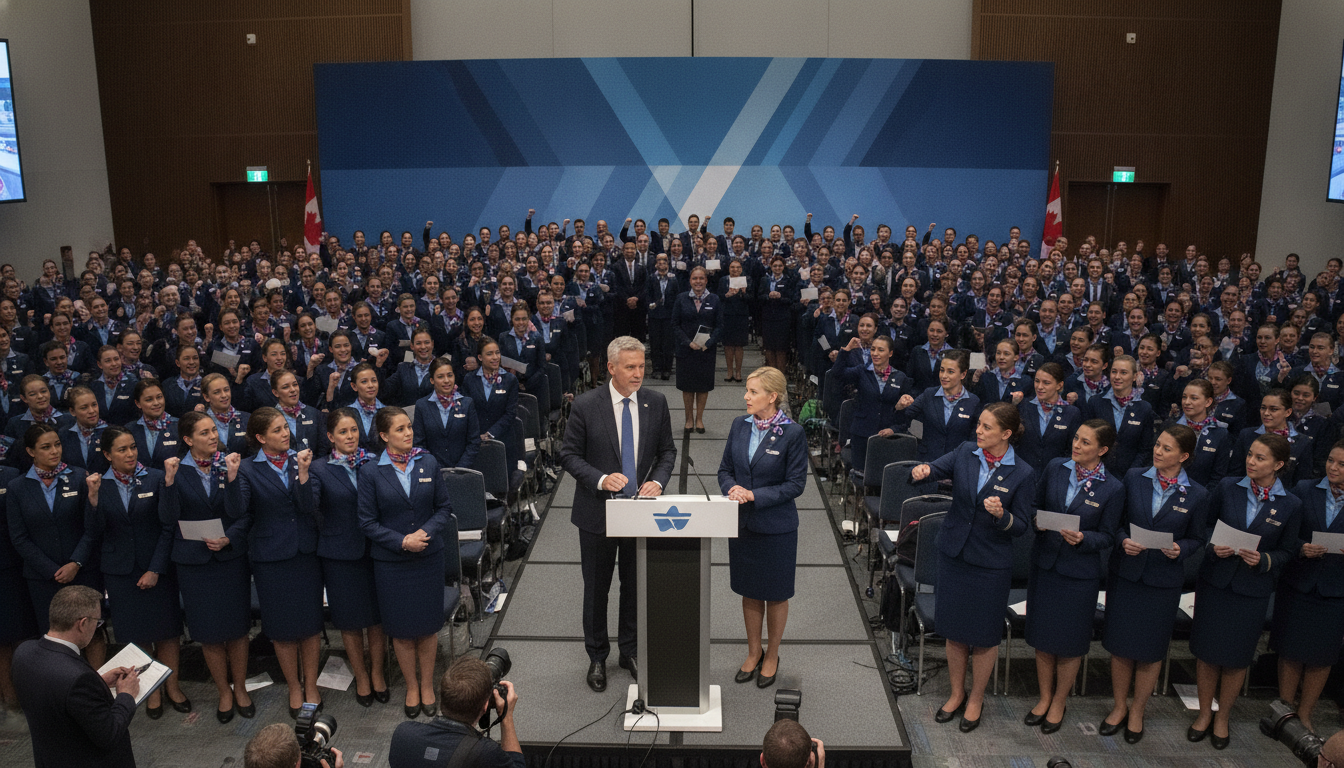
Dozens of WestJet cabin crew from Alberta voted on strike authorization on July 14, 2026, and the union says the result clears the way for job action as early as Aug. 2. The vote by approximately 4,400 members of CUPE 8125 follows months of stalled talks over working conditions and compensation.
CUPE 8125 authorizes strike after stalled bargaining
The union representing roughly 4,400 WestJet flight attendants authorized strike action in a vote held at the company’s Calgary offices on July 14, 2026. Union leaders say the ballot gives members the legal ability to begin a work stoppage if no agreement is reached before the target date.
CUPE 8125 President Alia Hussain said members are united and have endorsed the bargaining priorities they raised at the negotiating table. The union has identified pay for all hours worked as a central demand in ongoing talks with the carrier.
Potential impact on summer travel across Canada
The authorization raises the prospect of significant disruption to summer schedules if strike action begins in early August. Analysts and industry officials warn that the timing could affect a wave of leisure and business travel during one of the busiest weeks of the season.
Airlines typically respond to labour uncertainty by trimming schedules or reassigning aircraft, but the scale of any cancellations would depend on how many attendants refuse to work and on the company’s contingency plans. Passengers with August travel plans were advised by union representatives to monitor updates closely.
Root causes: pay and hours at centre of dispute
At the heart of the dispute, according to the union, are proposals for compensation that union members say fail to account for all hours of work performed. CUPE 8125 has said its bargaining priorities include pay structures that accurately reflect time spent on duty and on layovers.
Negotiations between the union and WestJet have been described as deadlocked for several months, with both sides reportedly far apart on key contract elements. The specifics of recent offers and counteroffers have not been released publicly by either party.
Company operations and contingency options under scrutiny
The authorization vote puts pressure on WestJet to accelerate bargaining or to put contingency measures in place to limit travel disruption. Operational responses to a strike typically include hiring temporary workers, rescheduling flights and seeking regulatory permissions where required.
How WestJet intends to respond — including whether it will seek last-minute conciliation or present new proposals — is likely to shape whether the strike moves from authorization to actual job action. The union’s move to authorize a strike is a negotiating lever intended to bring the airline back to the table.
Timeline and next steps in the labour process
With the authorization in hand, CUPE 8125 can set a strike date as early as Aug. 2, 2026, unless a negotiated settlement is reached beforehand. Labour law in Canada requires unions and employers to follow specified procedures before a legal strike can begin; the union’s vote is a key milestone in that process.
Both sides now face tight timelines: the union must decide whether to issue notice of a strike, and the employer must weigh operational and reputational risks against the terms it is willing to offer. Mediation or federal intervention are potential paths should talks remain stalled, but those would depend on developments in the coming days.
The vote marks the most serious escalation to date in a dispute that has simmered through the summer months. Union officials framed the result as a show of solidarity and an effort to secure what they describe as fair compensation for flight attendants’ full hours of work.
If a strike begins, travelers, airport operators and partner carriers will need to adapt quickly to changes in schedules and staffing. The coming week is likely to be decisive for whether disruption hits the peak travel period in early August.
Union negotiators say they remain open to talks that meet their members’ priorities, while the authorization is intended to increase urgency at the bargaining table. The next 48 to 72 hours will likely determine whether the strike authorization evolves into a full walkout or pressure yields fresh offers from the airline.
