
Alberta judge temporarily freezes $8.5 million amid Jeffrey Rath asset freeze dispute
An interim court order freezes $8.5 million in assets tied to Jeffrey Rath, who is at the centre of a Tallcree First Nation trustee dispute. The Jeffrey Rath asset freeze comes after Chief Rupert Meneen alleged Rath misused funds he administered as trustee of a nearly $15-million trust.
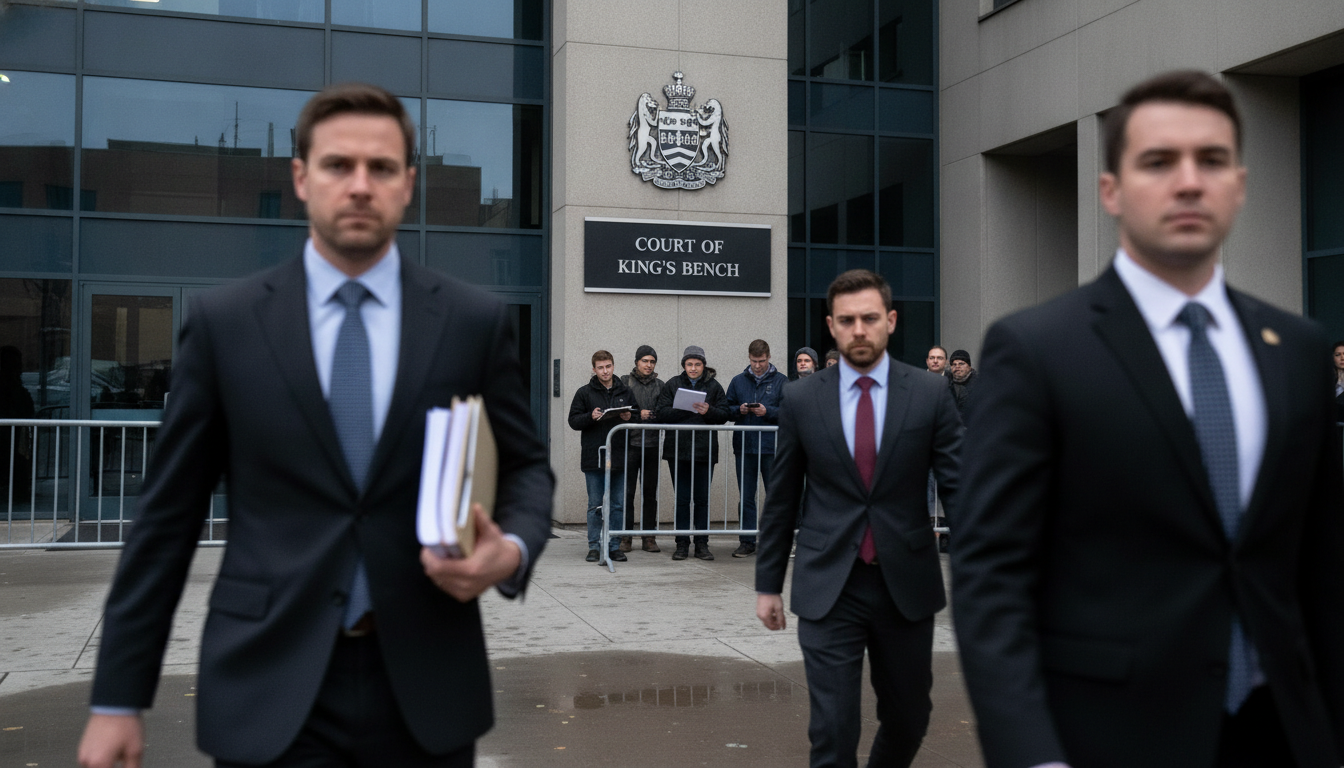
The order was granted by the Court of King’s Bench and follows an application by the Tallcree First Nation seeking both the asset freeze and Rath’s removal from oversight of the trust. The band says the funds originate from a 2017 settlement with the federal government and are intended for distribution to adult band members.
Judge issues interim freezing order
Court of King’s Bench Justice Michael Marion signed an interim freezing order that targets bank and investment accounts, real estate, vehicles and other assets linked to Rath and his professional corporation. Marion’s order was issued after the band’s legal representatives argued there was a risk assets could be dissipated before any judgment is rendered.
The judge said he was satisfied there was sufficient initial evidence to support a claim, while noting the band’s allegations remain unproven. The order remains in place pending further court consideration and establishes immediate legal constraints on Rath’s ability to move or access the frozen assets.
Tallcree chief seeks removal of Rath as trustee
Chief Rupert Meneen filed the application asking the court to remove Rath from his role overseeing the trust and to secure the band’s funds. Meneen contends the trustee arrangement has resulted in mismanagement and that the actions justify both the freezing of assets and an independent review of control over distribution.
The Tallcree First Nation is pursuing both preservation of the fund’s capital and accountability for prior disbursements. The band emphasizes the trust was established to benefit adult members and that any alleged deviation from that purpose requires urgent judicial intervention.
Origins and administration of the $15-million trust
The contested trust stems from a settlement reached with the federal government in 2017 and totals nearly $15 million, according to court materials. The trust’s income and capital are intended for distribution to adult members of the Tallcree First Nation, and its administration has involved external wealth managers and audited financial statements.
Court filings indicate the funds have been subject to litigation and administrative costs over several years, matters that the parties now disagree about. The band argues these outlays have eroded the trust, while Rath and his counsel point to documented audits and third-party management as evidence the trust has been appropriately handled.
Rath’s affidavit and defence arguments
In an affidavit filed on July 8, Rath disputed aspects of the band’s claims and said the Tallcree leadership had not sought information from him about the fund. He referenced audited financial statements and the involvement of a wealth management company to support his position that the trust was under professional administration.
Rath’s filing acknowledged disagreement over fees and costs, framing the dispute in part as a contest about the level of compensation and expenses charged against the fund. He also accused Chief Meneen of depleting trust assets through years of litigation and other expenditures, a claim the band disputes in its court submissions.
Order scope, spending exemptions and upcoming hearing
The interim freezing order allows limited, defined spending by Rath while it remains in force, exempting up to $100,000 for legal fees and up to $10,000 for living expenses. Those exemptions were explicitly carved out to permit essential legal defence and minimal personal needs without undermining the protective intent of the order.
The freeze will remain effective until the court determines next steps at a scheduled hearing, where a different justice will consider whether to extend, vary or discharge the interim measures. That hearing will also guide how the trust is managed in the short term and whether the band’s request to remove Rath as trustee should advance.
Legal observers say interim freezes are a common tool when there is a perceived risk of asset dissipation, but they do not amount to a finding of wrongdoing. The order preserves the status quo while the parties pursue detailed evidence and legal argument in the coming weeks.
The dispute has attracted attention because Rath has been publicly associated with Stay Free Alberta and acted in legal challenges related to that group’s petition, including work that led to Elections Alberta verifying signatures claimed by the separatist organization. Rath did not provide further comment when reached by text message.
The Tallcree matter will now proceed through formal discovery and argument, with both sides expected to present financial records, audited statements and account histories to the court. The outcome will determine whether the band regains control of trust management and whether the interim asset freeze becomes permanent or is lifted once the issues are resolved.
