
Denise Émond, famed Quebec comedian known as Ti‑Mousse, dies at 98
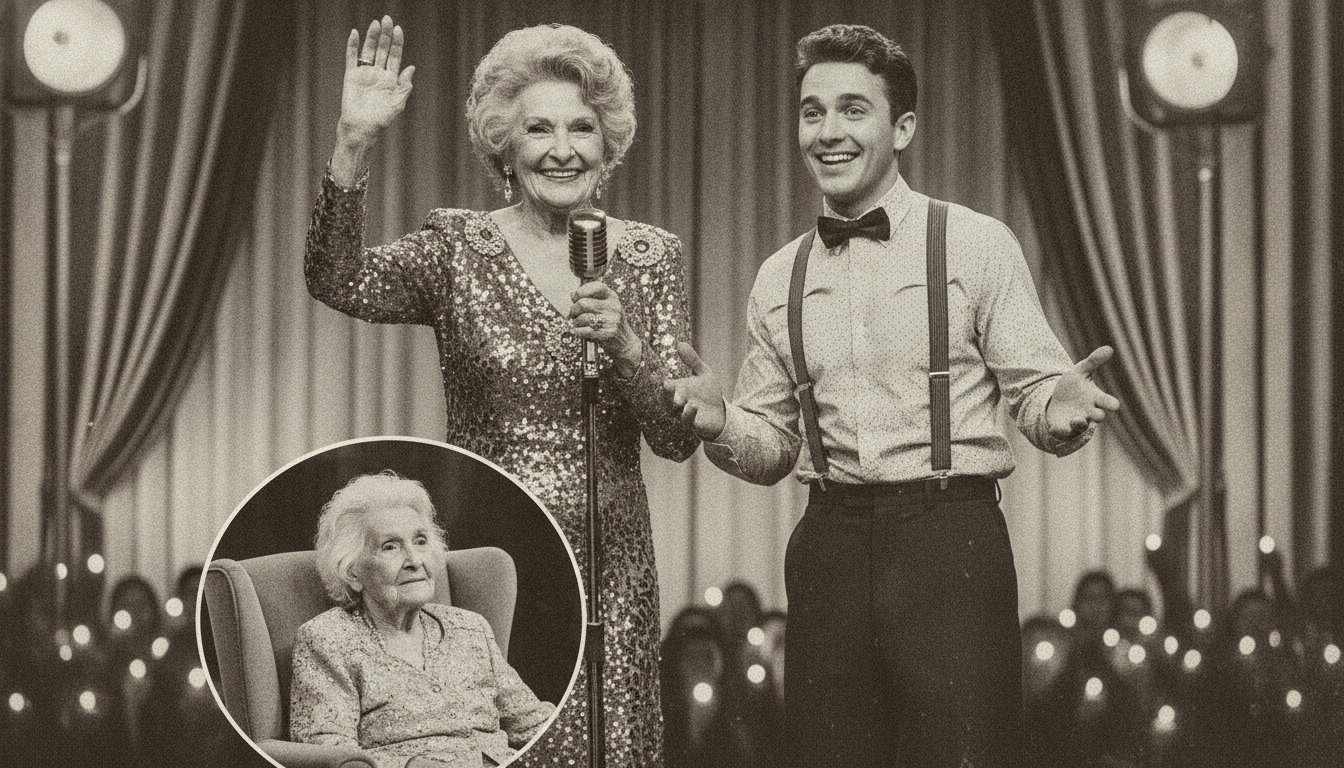
Denise Émond, the Québécois comic who rose to fame as Ti‑Mousse in the duo Ti‑Gus and Ti‑Mousse, has died at 98, leaving a long legacy in stage, television and music. Her name is synonymous with mid-20th-century Quebec variety theatre and a three-decade stage partnership that helped shape francophone comedy.
Early life and entry into show business
Denise Émond was born on May 10, 1928, in Montreal and began performing as a teenager alongside her three sisters. She won a local amateur contest at age 14 and soon toured with established musicians including accordionist Tommy Duchesne, violinist Omer Dumas and singer Jean Grimaldi. Those early tours set the stage for a career that blended music, comedy and popular entertainment.
Denise adopted the stage name Ti‑Mousse and developed the timing and presence that would define her public persona. Her experiences on the road in the late 1940s and early 1950s exposed her to a wide variety of vaudeville-style acts and audiences across Quebec. Those years also helped her forge the working relationships that would prove decisive after she met Réal Béland.
Formation of Ti‑Gus and Ti‑Mousse
In 1952, during one of the touring circuits, Émond met Réal Béland and the two formed the comic duo Ti‑Gus and Ti‑Mousse. The partnership quickly found an audience with variety numbers that mixed jokes, musical interludes and affectionate imitation. They recorded several discs and became a fixture on Quebec stages and radio.
The duo’s chemistry—rooted in comic timing and a balance of musical and spoken material—made them a popular act through the 1950s and 1960s. Their repertoire drew from both everyday life and broader popular culture, which helped them resonate with audiences living through rapid social change. Recordings and stage appearances cemented their status as a mainstay of francophone entertainment.
Three decades of touring and performance
Ti‑Gus and Ti‑Mousse toured extensively for roughly 30 years, performing at theatres, festivals and clubs across the province. They appeared on major stages, including the Grand Théâtre de Québec, and sustained a busy schedule that made them household names. Their longevity reflected both audience demand and an ability to update material across changing eras.
The pair’s run ended with the death of Réal Béland in 1983, a loss that prompted Émond to step away from regular stage work. The end of the duo marked a turning point for her personally and professionally, as she reassessed her place in the changing entertainment landscape of the 1980s. The dissolution of the partnership closed a chapter in Quebec’s variety tradition.
Television roles and a shift to other pursuits
After leaving the stage, Denise Émond took on television roles, appearing in series including "Le 101, ouest, avenue des Pins," written by Denise Filiatrault. These parts allowed her to remain visible to audiences while exploring new acting challenges. Television work showcased a different side of her talent, emphasizing character work over variety comedy.
Émond also stepped away from show business for a time to pursue ventures in the restaurant industry, reflecting a pattern among mid-century performers who moved between entertainment and small business. That period away from the spotlight did not sever her ties to performance, however; she later returned to recording and stage appearances. Her versatility underscored a career that adapted to personal change and shifting market tastes.
Musical comeback and published biography
After a long absence from recorded music, Denise Émond returned in 2004 with an album titled "Le rideau s’ouvre," signaling a renewed engagement with her musical roots. The release offered a retrospective sensibility while introducing her work to newer listeners who had not seen the duo in their heyday. The comeback reinforced the continuity between her early variety work and later artistic choices.
In 2009, author David Lavallée published a biography, "Denyse Émond : Ti‑Mousse," which examined her career and influence on Quebec humour. The book highlighted Émond’s gift for storytelling and her capacity to translate personal experience into comic material. Biographers and cultural historians have noted her role in shaping a vernacular comedic style that spoke directly to francophone audiences.
Impact on Quebec comedy and cultural memory
Denise Émond’s career spanned formative decades in Quebec’s cultural history, from postwar variety shows to later television and recorded music. As Ti‑Mousse, she helped popularize a form of comedy that combined music, mimicry and anecdote, and she opened doors for women performers in a field long dominated by male comics. Colleagues and writers credit her with a natural ease on stage and an ability to listen and adapt that enriched her performances.
Her death closes a chapter on an era of live variety entertainment that remains central to Quebec’s cultural memory. For generations who grew up with radio, records and summer theatre, Ti‑Gus and Ti‑Mousse were part of the soundtrack of daily life. Tributes from fellow performers and cultural institutions will likely follow as the province reflects on the contribution of an artist whose work spanned more than half a century.
Denise Émond’s passing marks the end of a long and luminous career, remembered for its warmth, musicality and comic craft. She leaves behind recordings, television appearances and a biography that together document a life in performance and a lasting influence on Quebec humour.
