
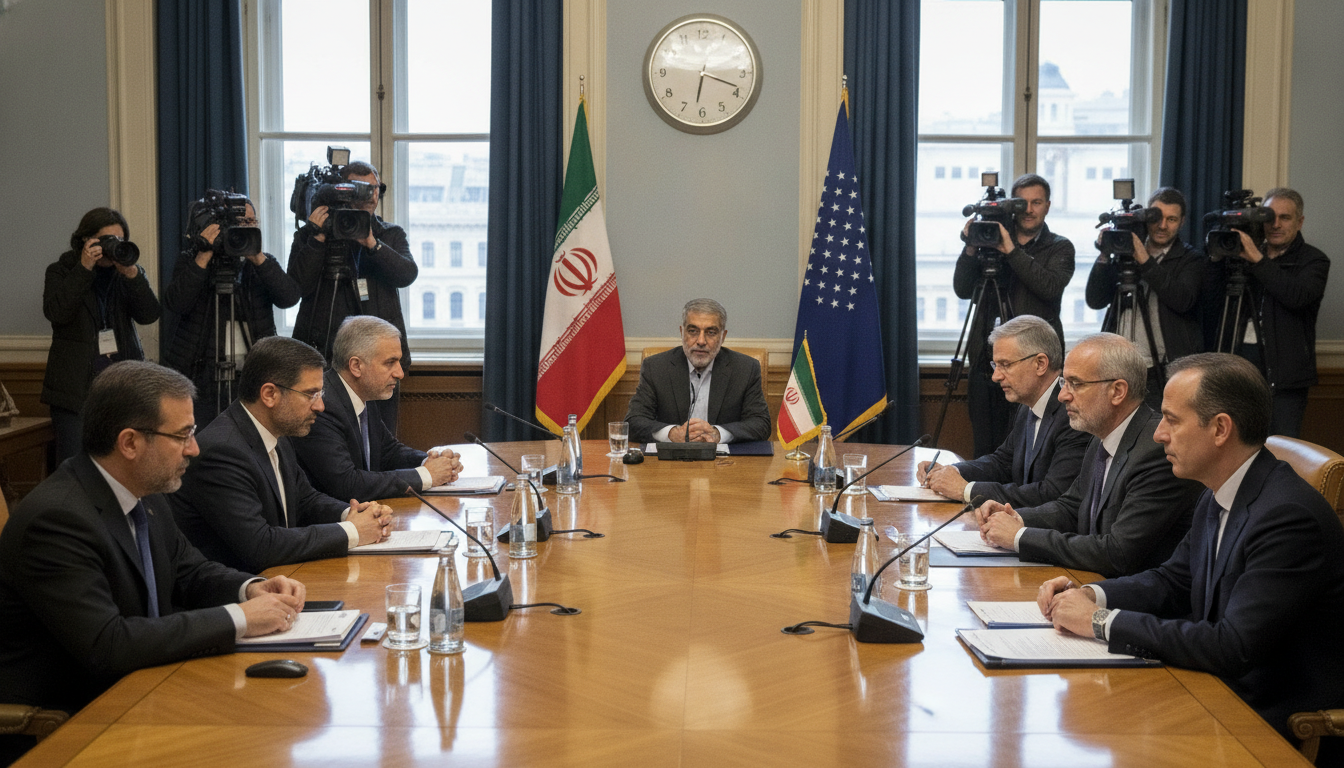
Iran says no Iran-US peace agreement signing within 24 hours as Pakistan pushes for a deal
Iran rules out signing an Iran-US peace agreement within 24 hours as Pakistan presses for a deal; US shoots down Iranian drones near Hormuz, markets react.
Tehran rules out immediate signature
On Saturday, June 13, 2026, Iran’s state news agency IRNA said Tehran would not sign an Iran-US peace agreement within the next 24 hours. Foreign Ministry spokesperson Esmaïl Baghaï told IRNA the exact signing date remains to be set and that it “will not be tomorrow,” adding the signature is expected in the coming days.
Chief negotiator Abbas Araghchi echoed caution, saying the final steps must be completed before any announcement can be made. He warned that until all issues are resolved it cannot be confirmed that a mutually acceptable deal has been reached.
Pakistan’s mediation and competing timelines
Pakistan’s prime minister, Shehbaz Sharif, who is acting as the mediator between Tehran and Washington, had earlier said an agreement would likely be finalized within 24 hours. Sharif posted on X that an electronic signature would follow immediately and technical talks would proceed next week.
The divergence in public timelines highlights a fragile final stretch of diplomacy and differing perceptions among the mediators. Pakistani officials maintain they are pushing to convert weeks of talks into a binding protocol, but Tehran’s clarifications suggest more time is needed.
US forces intercept drones in the Strait of Hormuz
Separately, US Central Command (CENTCOM) reported that American forces shot down several Iranian attack drones that were aimed at commercial vessels transiting the Strait of Hormuz. CENTCOM said the drones were all intercepted in recent hours and that maritime traffic in the strait remained fluid.
The incident occurred amid ongoing negotiations and underscored the volatility of the security environment in the region. Naval and commercial operators had been monitoring the strait closely after a series of attacks and countermeasures disrupted shipping lanes earlier in June.
Disagreements over the draft protocol
Reports from Iranian media outlets earlier this week described a draft 14-point protocol that included continued Iranian control over parts of the Strait of Hormuz, a recognized right to uranium enrichment, and a rapid release of some $24 billion in frozen Iranian assets. Tehran presented that draft as the basis for a comprehensive settlement.
Washington, however, has circulated a markedly different version, according to US officials briefed on the talks. The American approach is said to prioritize reopening the strait to free commercial transit, the dismantlement or removal of highly enriched uranium, and stringent guarantees on Iran’s nuclear activities.
Abbas Araghchi proposed diluting Iran’s stocks of uranium enriched to 60 percent to below 5 percent as a technical compromise to reduce military risks. US officials, including Vice-President J.D. Vance, cautioned that frozen assets would not be released merely on signature and that financial steps would require additional conditions and verification.
Regional fronts and political context
The wider conflict, which escalated after strikes on February 28 and a subsequent truce on April 8, has inflicted heavy casualties and stretched regional fault lines. Lebanon’s front has been a persistent point of contention since Hezbollah opened a new front on March 2, drawing sustained Israeli strikes and resulting in thousands of deaths.
The proposed protocol reportedly includes references to Lebanon, a matter Washington had earlier preferred to treat separately. That inclusion reflects Tehran’s insistence on linking multiple arenas of influence and poses another diplomatic hurdle to final acceptance.
In Washington, political considerations add pressure on negotiators. The US president has publicly criticized Iranian leaks about the deal and warned that reported terms do not match written understandings, while analysts note the administration faces domestic scrutiny ahead of the November midterm elections.
Diplomatic venues and market response
Switzerland offered to host signatories, while a G7 summit opens Monday, June 15, 2026, in Évian, France, close to Geneva. Iranian officials have signalled a preference for a remote signing once the protocol is finalized, and markets have reacted to the ebb and flow of progress reports.
Oil prices fell below $90 a barrel on Friday, June 12, as trading reflected the possibility of de-escalation, though volatility persists. Traders and analysts say any credible and verifiable path to reopening the Strait of Hormuz would have immediate implications for global energy markets.
Final days of negotiation will test whether the parties can reconcile sharply different positions on nuclear constraints, maritime control and financial sanctions. With both optimism and skepticism visible in public statements, diplomats say the coming days will be decisive in determining whether a framework can be signed and implemented.
