
Menopause conversation goes mainstream as celebrities and TikTok ignite market and policy debates
Celebrities, influencers and social platforms have pushed menopause into the mainstream, sparking a surge in products, conversations and calls for medical oversight.
Celebrities and influencers bring menopause into view
Public figures including Oprah Winfrey and Serena Williams have publicly discussed menopause and endorsed related products, elevating the topic beyond private conversation. Their visibility has encouraged other high-profile women and social-media creators to share personal experiences and product recommendations.
Influencers now combine personal testimony with demonstrations, lifestyle content and links to commercial offerings. This new visibility has changed how many women and men perceive menopause, reframing it from a taboo to a subject of practical discussion.
Social media surge: #menopause reaches billions of views
On platforms such as TikTok, the hashtag #menopause has accumulated billions of views, driven by short videos that range from symptom explanations to product reviews. These clips have created rapid, peer-to-peer education that contrasts with older, more clinical sources of information.
The format favors immediacy and relatability, allowing users to find communities and tips within minutes. That rapid exchange has been particularly influential for younger caregivers and women nearing midlife who seek real-world advice and affirmation.
A growing market for menopause products
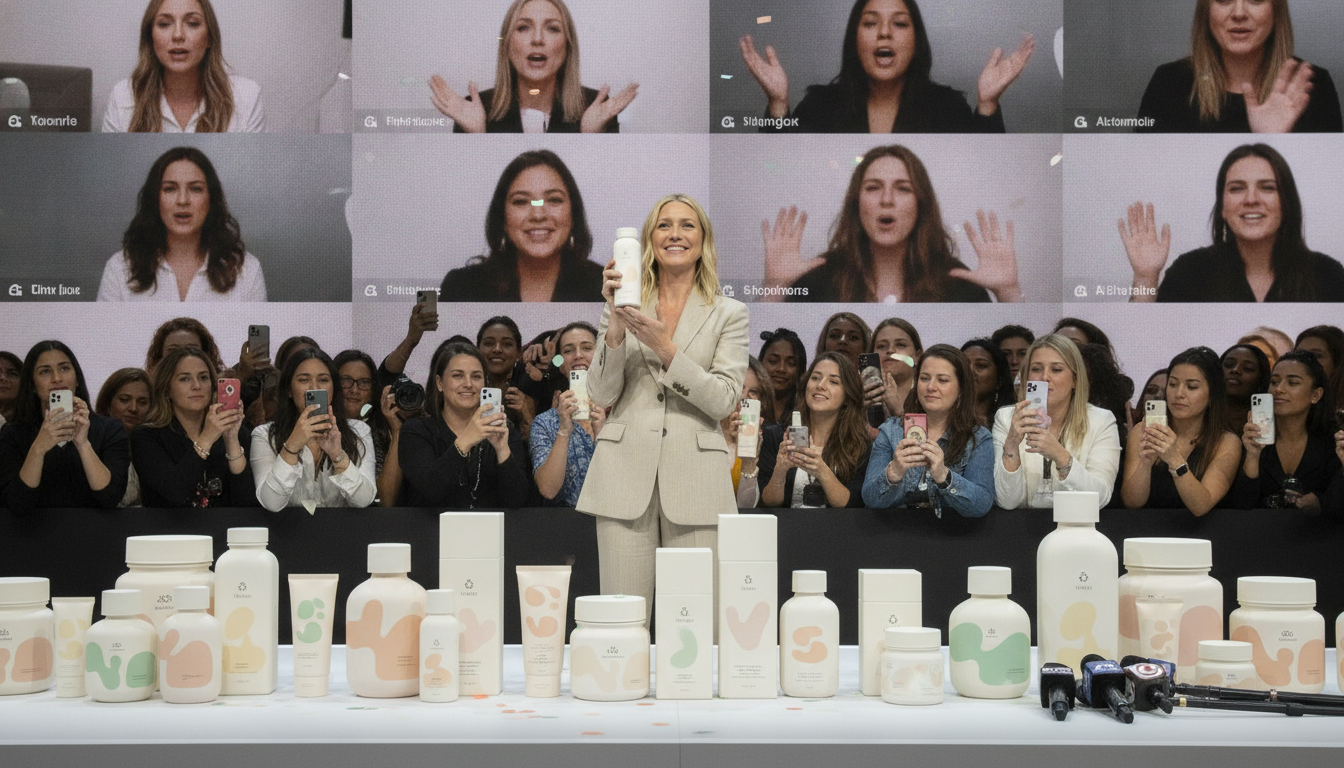
The rise in public conversation has coincided with broader commercial interest in menopause-related goods, from topical creams and supplements to wearable devices and specialized clothing. Retailers and startups are increasingly positioning product lines toward symptom relief and quality-of-life claims.
This commercial growth reflects both unmet demand and new marketing strategies that target wellness-minded consumers. At the same time, the market’s expansion has encouraged larger brands to enter the category, intensifying competition and product variety.
Medical community urges evidence and clearer information
Healthcare professionals acknowledge that greater attention can reduce stigma and prompt women to seek care earlier. However, clinicians also warn that not all marketed products carry strong clinical evidence, and consumers may encounter overstated claims.
Doctors and researchers are calling for clearer communication about which treatments are supported by evidence, safe use of hormone therapies, and when to consult a clinician. They emphasize that individualized medical guidance remains essential as new products and messages proliferate.
Workplace responses and policy discussions accelerate
As menopause becomes a public conversation, employers and policymakers are beginning to consider practical responses, including workplace accommodations and expanded health benefits. Some organizations have already introduced training for managers, flexible schedules, or targeted health coverage to support employees experiencing symptoms.
Advocates say these steps can improve retention and well-being for midlife workers, while critics urge that policies be evidence-based and equitable. The policy debate continues to evolve as more institutions weigh the operational and legal implications of formal menopause supports.
Women’s voices drive cultural change and demand services
For many women, the shift from silence to shared experience has been cathartic and empowering, prompting community groups, podcasts and online forums dedicated to symptom management and advocacy. Peer-led exchanges frequently focus on practical strategies, treatment options and navigating conversations with healthcare providers.
That grassroots momentum has translated into higher expectations for medical care, product transparency and workplace responsiveness. Women increasingly demand accessible information and services that reflect the diversity of menopausal experiences.
Momentum will likely continue as consumer interest, commercial offerings and public policy intersect, but experts say progress depends on collaboration between clinicians, regulators and industry. Clearer research, responsible marketing and informed workplace practices will be central to ensuring that attention to menopause translates into meaningful improvements in health and daily life.
As the conversation matures, women who once endured symptoms quietly are now shaping markets and policies, turning personal experience into collective action and practical change.
