
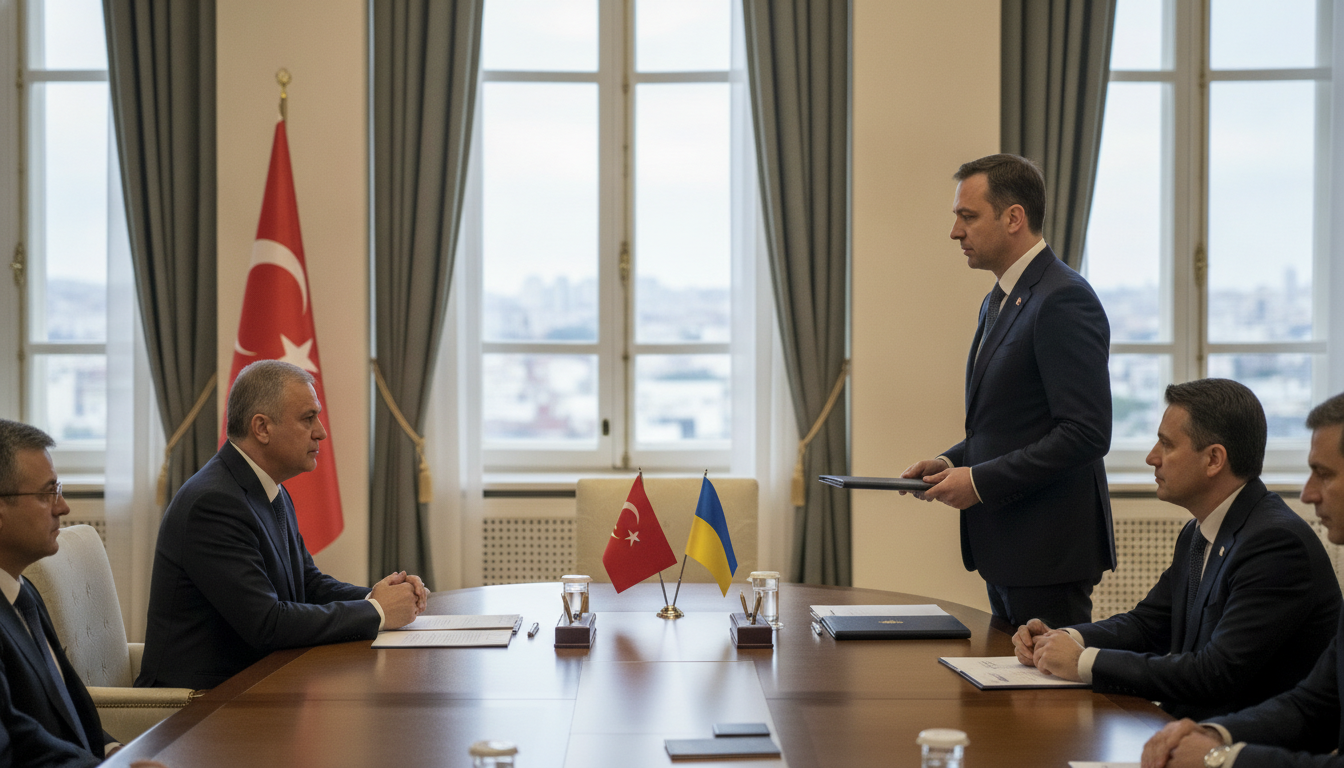
Turkey summons Ukraine envoy after attacks on Turkish-operated vessels in Black Sea
Ankara summoned Ukraine’s ambassador on Aug 29, 2026 after two Turkish-operated vessels were struck in the Black Sea, raising safety and navigation concerns.
Ankara summons Ukrainian ambassador
On Saturday, Aug. 29, 2026, Turkiye’s Ministry of Foreign Affairs called in Ukraine’s ambassador, Naryman Dzhelialo, to register formal concerns over attacks on Turkish-operated vessels in the Black Sea. Officials told the ambassador that ensuring the safety of people, assets, navigation and the marine environment was an “absolute” priority, according to a ministry statement. The meeting underscored Ankara’s immediate diplomatic response as the incidents prompted questions about civilian shipping safety in a conflict zone.
Strikes on Turkish-operated ships off Russia’s coast
The diplomatic move followed two separate strikes this week on Turkish-operated ships in waters off Russia’s Black Sea coast. A container ship, the Lider Bordo Mavi, was hit on Wednesday while transiting off Tuapse, and was later taken under tow and brought into the Turkish port of Samsun. The following day, the Lider Kocatepe was reportedly struck by a drone while on route to assist the damaged vessel, according to Turkish media reports and officials familiar with the incidents.
Casualties, damage and immediate operational effects
So far there are no confirmed reports of fatalities in the recent strikes involving the Lider vessels, but previous attacks this month have caused serious injuries. Earlier in August 2026, the cargo ship Nadezhda was struck near Novorossiysk, with three crew members sustaining serious wounds. Shipowners and insurers have warned that repeated attacks raise insurance costs and complicate logistical planning for carriers that regularize Black Sea routes.
Turkiye’s balancing act with Moscow and Kyiv
Turkiye has sought to maintain relations with both Moscow and Kyiv throughout the conflict, positioning itself as a mediator while also protecting its maritime commerce. Ankara has not adopted the full slate of Western sanctions on Russia, while providing defence materiel to Ukraine and pursuing closer economic ties with Kyiv. In July 2026, officials moved forward with a free trade agreement between Turkiye and Ukraine, deepening commercial links that make Black Sea security a national priority for Turkish policymakers.
Calls for halt to attacks and navigational safety
Turkish officials have repeatedly urged both sides in the conflict to avoid endangering civilian shipping lanes. Foreign Minister Hakan Fidan publicly demanded an end to strikes on commercial vessels earlier in August 2026, warning that merchant shipping was being targeted without distinction. The ministry’s statement on Aug. 29 reiterated those concerns and pressed for measures to restore safer navigation and protect maritime traffic from further escalation.
Wider security and economic implications for the region
Maritime analysts say the uptick in attacks on commercial shipping in the Black Sea threatens to disrupt grain and commodity flows that depend on the corridor, while also elevating risks for energy and container shipments. Increased drone use, long-range missiles and naval mines have complicated the picture for vessel operators and port authorities across the region. Turkiye’s strategic location and its fleet of commercial carriers mean any persistent threat to Black Sea navigation carries direct consequences for Turkish trade and for wider European supply chains.
The diplomatic summons is likely to be followed by further consultations between Ankara, Kyiv and Moscow, as well as discussions with shipping companies and insurers to assess route viability and emergency response capabilities. Turkish authorities may press for international cooperation to secure shipping lanes and to develop incident-reporting protocols that could reduce the risk to civilian mariners.
Maritime industry groups have called for clearer navigation warnings and enhanced convoy or escort arrangements where feasible, while insurers are reviewing war-risk premiums for voyages through the Black Sea corridor. For ports such as Samsun, which received the towed Lider Bordo Mavi, the recent incidents reinforce the need for contingency plans to receive damaged vessels and care for injured crew.
Turkey’s dual role as a commercial partner to both belligerents and as a mediator gives Ankara leverage to press for practical safeguards, but it also places the country in a delicate position diplomatically. Any escalation that further endangers Turkish-flagged or Turkish-operated vessels could compel Ankara to adopt stronger measures, from intensified diplomatic pressure to coordinated maritime security steps with allies and regional partners.
The immediate focus for Turkish authorities remains ensuring assistance to affected crews and preventing further civilian casualties at sea, while seeking assurances from all parties involved in the conflict that commercial shipping will be spared. The Aug. 29 meeting in Ankara represents a formal step in that effort and signals Turkey’s determination to protect its maritime interests as the Black Sea continues to be shaped by the broader Russia-Ukraine war.
