
U.S. condemns Israel strike on Syrian air base amid mounting diplomatic strain
U.S. condemns Israel strike on a defunct Syrian air base that caused no casualties, warning it risks regional escalation and further strains Washington’s ties with Jerusalem.
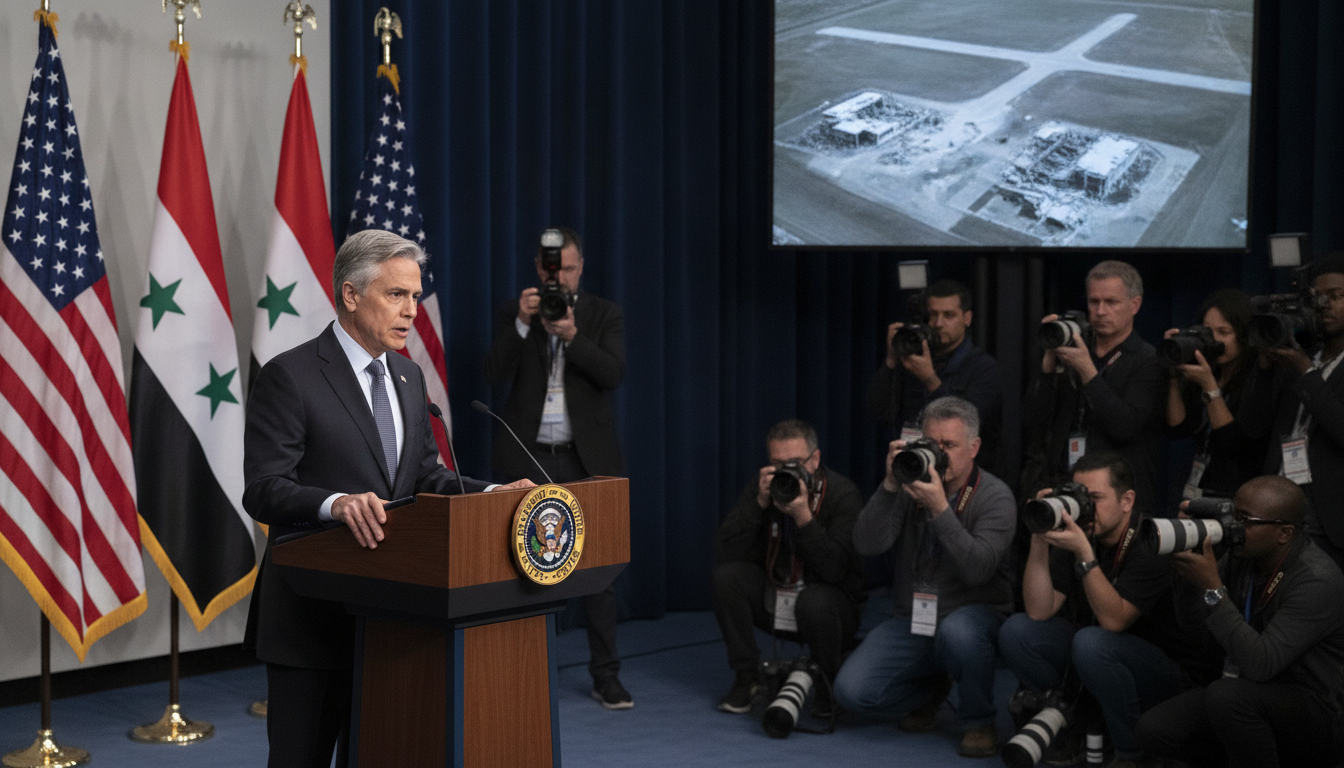
The United States publicly condemned an Israel strike on a defunct Syrian air base that Syrian state media said caused no casualties, marking another point of friction between the allies. U.S. officials described the action as concerning in the context of recent disagreements and said it risked escalating tensions in an already volatile region.
Details of the strike
Reports indicate the target was a defunct military air base in Syria, struck in an attack that Syrian state media said did not result in casualties. The facility has been largely inactive, but airfields in the region have long been sensitive due to their strategic value and past use in regional hostilities.
Syrian state outlets offered limited detail on timing and ordnance, and independent verification of the strike’s scope was not immediately available. Local and regional observers have in recent years treated strikes on Syrian infrastructure as potentially provocative regardless of immediate human toll.
U.S. condemnation and diplomatic rebuke
Washington issued a clear condemnation of the strike, signaling concern from senior officials about the action and its broader implications. U.S. criticism reflects mounting unease in Washington over a series of recent disagreements with Jerusalem that have complicated the traditional alliance.
The condemnation did not indicate immediate punitive measures, but it underscores a willingness by U.S. policymakers to publicly distance themselves from Israeli operations that they judge could inflame regional tensions. Analysts say public rebukes are a way for the United States to express disapproval while preserving core security cooperation.
Syrian account and on-the-ground impact
Syrian state media characterized the strike as targeting a defunct site and reported no casualties, a framing intended to minimize the incident’s human impact. Even when strikes hit non-operational infrastructure, they can carry symbolic weight and prompt diplomatic responses from regional and international actors.
Local officials and monitoring groups will likely continue to track any further activity around the base, as repeated strikes or shifting military deployments could alter security calculations. The absence of casualties does not preclude longer-term damage to facilities or changes in force posture that attract outside attention.
Recent strains between Washington and Jerusalem
The strike comes amid a period of heightened friction between the United States and Israel over a range of policy and operational issues. U.S. officials have in recent weeks publicly and privately signaled frustration over select Israeli actions that they view as risking escalation or complicating diplomacy in the Middle East.
Observers note that public rebukes are part of a broader diplomatic toolbox used by allies to register disagreement without severing ties. Still, repeated public disagreements can complicate coordination on intelligence, operations, and regional strategy if they are not managed through backchannel diplomacy.
Regional security implications
Analysts say any foreign strikes in Syria — even on defunct bases — have the potential to ripple across the region, drawing responses from state and non-state actors. Syria remains a theatre where multiple militaries and proxies operate, and actions perceived as aggressive can prompt retaliatory behavior or heightened readiness.
Washington’s condemnation highlights U.S. concerns about escalation and the risks posed to regional stability. The incident will likely be weighed alongside other recent developments in assessing whether a cycle of action and response might take hold in the coming days and weeks.
Possible diplomatic fallout and next steps
Diplomatic repercussions may unfold in several forms, from intensified bilateral talks to public statement exchanges and, potentially, adjustments in operational coordination. For now, both Washington and Jerusalem retain strong security ties, but the public rebuke signals a recalibration of rhetoric and pressure points.
Diplomats in affected capitals are expected to press for clarifying discussions and assurances aimed at preventing further incidents. How quickly those talks proceed and whether they produce concrete changes will shape whether the episode becomes an isolated dispute or a sustained strain.
The strike on the defunct Syrian air base, though reported to have caused no casualties, has taken on significance beyond its immediate physical effects because of where it occurred and the timing amid mounting U.S.-Israel tensions. Observers will be watching for follow-up actions by either side and for broader regional responses that could redefine short-term security dynamics.
