
State Attorneys General Seek $1.4 Trillion from Meta, Demand Facebook and Instagram Reforms
State attorneys general are pursuing up to $1.4 trillion from Meta and are calling for changes to Facebook and Instagram’s operations to address alleged harms.
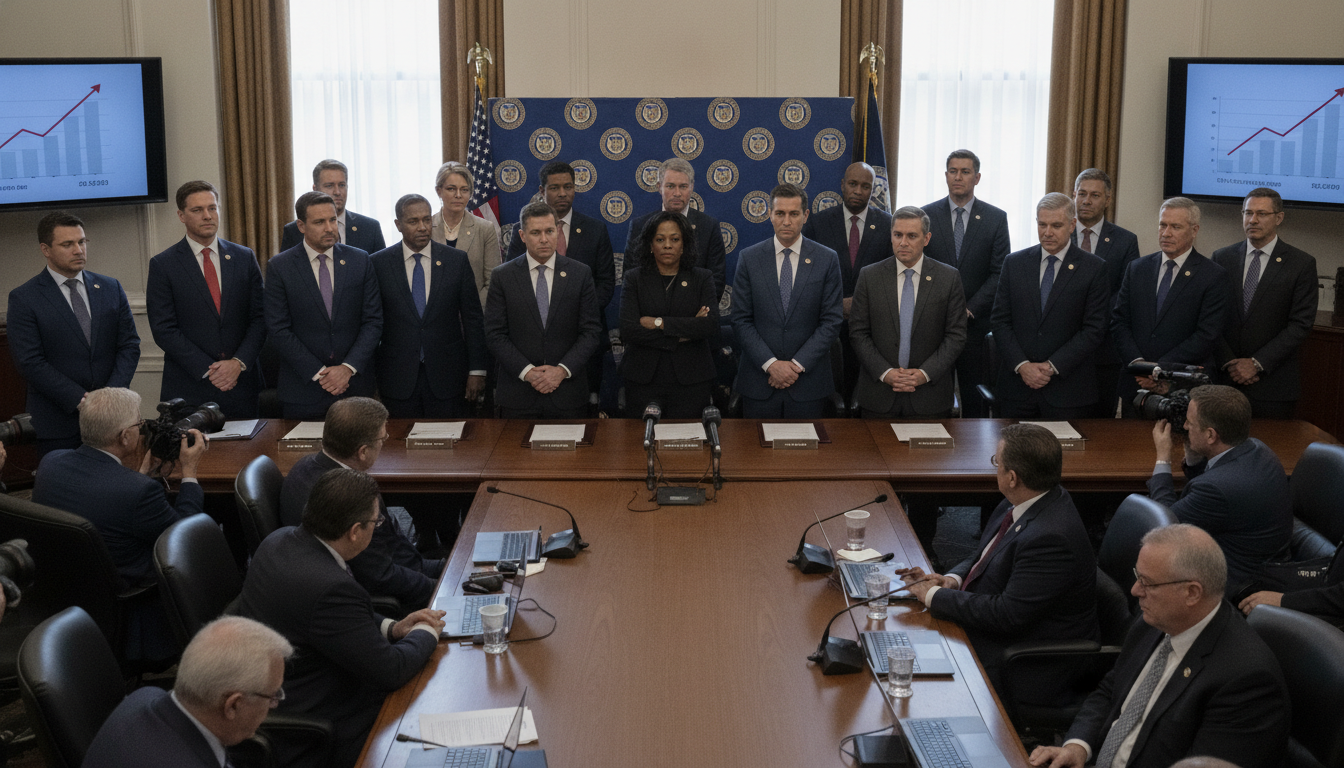
A coalition of state attorneys general has launched legal action aimed at holding Meta accountable for widespread harm, seeking damages that could theoretically total as much as $1.4 trillion. The group, which includes officials from California, Colorado and New Jersey, is also demanding that Meta alter how Facebook and Instagram function. The filing frames the case as a broad challenge to the design and operation of the social platforms.
Coalition and Legal Claims
A group of state legal officials filed coordinated claims against Meta, arguing the company’s platforms produced systemic harms that warrant both financial compensation and structural remedies. The attorneys general emphasize a pattern of conduct tied to platform design and content-delivery mechanisms.
The complaint seeks to tie platform features to alleged negative outcomes and to establish liability under state consumer-protection and public-nuisance theories. The states aim to use the courts not only to recover damages but to force operational changes at scale.
Damages Calculation and $1.4 Trillion Figure
The states’ filing includes a theoretical damages tally that reaches up to $1.4 trillion, a figure intended to quantify the aggregate harm the plaintiffs attribute to the platforms’ operation. Legal filings often include high-end calculations to signal the scale of alleged damage and to anchor negotiation or litigation strategy.
That dollar figure is presented as a maximum theoretical award rather than a precise estimate, and courts typically scrutinize how such totals are derived. If the case progresses, judges will evaluate the methodology behind the damages claim and whether the plaintiffs can establish the necessary causal links.
Requests to Change Facebook and Instagram
Beyond monetary relief, the attorneys general are demanding changes to the core functioning of Facebook and Instagram, asking courts to order modifications to design choices and algorithmic processes. Plaintiffs want the platforms to be reconfigured to reduce the harms they argue stem from product features and engagement-driven algorithms.
The remedies sought are structural in nature, aiming to alter how content is recommended, surfaced and moderated. Such requests would push courts into overseeing complex technical decisions, which has historically prompted intense debate about the proper role of judges in regulating platform design.
Legal Hurdles and Potential Defenses
Meta is likely to contest both the factual and legal foundations of the case, challenging causation, the scope of statutory claims and the appropriateness of structural remedies. Defendants in high-profile tech litigation frequently argue that plaintiffs cannot link specific platform features directly to the broad social outcomes alleged.
Courts will also consider First Amendment and preemption issues, as well as standing and typicality in any class-like claims the states pursue. The complexity of proving systemic harms across multiple jurisdictions is substantial, and litigation could move through several rounds of motions before reaching trial.
Broader Implications for Tech Regulation
If successful, the coalition’s approach could set precedents for how state governments address platform-related harms and for the types of remedies available through civil litigation. A judgment ordering operational changes at Facebook and Instagram would reverberate across the industry and could spur new regulatory proposals at the state and federal levels.
Even absent a final judgment, the litigation could influence corporate risk assessments and product design choices, encouraging platforms to consider legislative and operational reforms to reduce legal exposure. The case is likely to attract attention from privacy advocates, civil-society groups and technology companies watching for shifts in liability and remedial frameworks.
Meta did not immediately respond to requests for comment on the filing, but the company has historically defended its design and moderation decisions as consistent with user choice and free expression. Meta has also previously signaled willingness to defend its products vigorously in court.
The litigation’s next procedural steps will determine the timeline for resolution, with initial motions and discovery likely to shape the contours of proof and remedy. Observers say the dispute could take years to resolve and may prompt parallel regulatory or legislative actions while the courts weigh the claims.
