
Anthropic’s Claude watermark sparks debate as users weigh ethics, detection and workflow impacts
Anthropic’s new Claude watermark embeds an invisible marker into AI-generated text to meet EU AI Act transparency rules, prompting a mix of criticism and support from users. The Claude watermark decision has reignited arguments about detection, authorship and practical effects on students, journalists and creators. The rollout highlights tensions between regulatory compliance and user expectations for AI tools.
Anthropic Adds Invisible Watermark to Claude Outputs
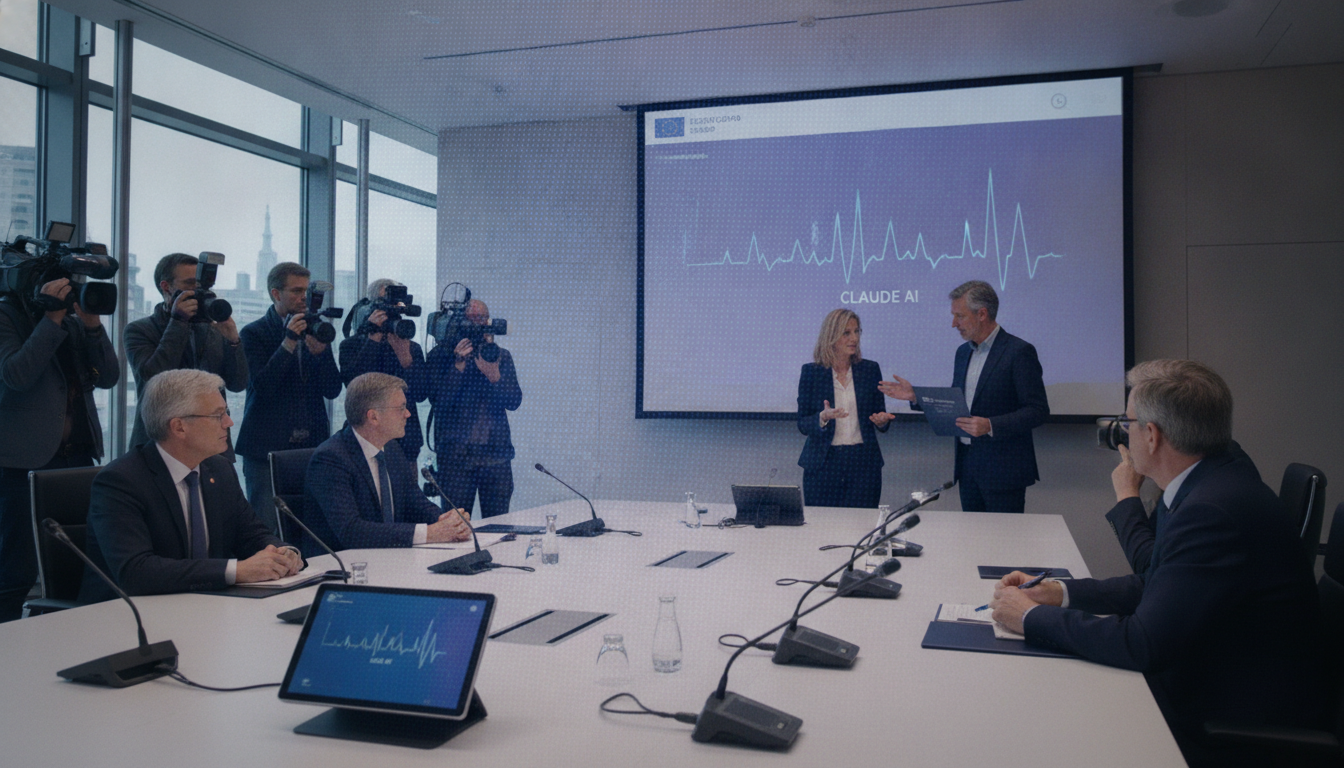
Anthropic said it has implemented an invisible watermarking system that marks text produced by Claude so it can be identified by automated systems. The company framed the change as a compliance measure with recent EU transparency guidelines requiring that content generated or edited by AI be labeled in a machine-detectable way.
The move is intended to make AI-origin content traceable without altering the visible text a user reads. Anthropic’s approach aims to balance regulatory obligations with user experience by embedding metadata rather than appending visible disclaimers.
User Reactions Split on Reddit and Forums
Reaction on platforms including Reddit ranged from alarm to acceptance, with several threads debating the policy’s implications. Some users reacted strongly, describing the watermark as intrusive and unfair to those who rely on Claude as a productivity tool.
Other users pushed back, arguing that watermarking supports public safety and transparency and that objections often reflect an intent to conceal AI use. The exchange illustrates how online communities are wrestling with what disclosure should look like in everyday AI use.
Concerns Raised About Students and Journalists
Critics highlighted scenarios where commonplace use of Claude could become problematic if outputs are automatically flagged. Posts warned that students who reorganize paragraphs and professionals who use the model to summarize long documents might be identified as relying on AI-generated content.
Supporters countered that ethical standards already prohibit copying AI outputs verbatim in academic or journalistic work without attribution. They noted that watermarking primarily addresses undisclosed wholesale reuse rather than routine assistance or editing.
Debate Over Tool Attribution and Creative Credit
Some users argued that watermarking blurs lines of credit by labeling work that they say resulted largely from human direction and iterative refinement. These critics maintain the user’s role in prompting, editing and vetting outputs means the final product reflects human judgment as much as model generation.
Others observed that watermarking does not claim authorship for an AI tool but serves to indicate provenance. For many commentators, the distinction between “tool-assisted” and “AI-authored” matters for transparency, liability and public trust.
Hypocrisy and Training-Data Objections Surface
A strand of criticism emphasized perceived hypocrisy in watermarking editorial outputs generated by models trained on broad data sources. Some users questioned whether flagging outputs as AI-generated addresses underlying concerns about how models were trained and what content they repurpose.
Proponents replied that transparency and training-data provenance are separate issues but that both deserve scrutiny. They argued watermarking is a practical compliance step while broader debates over dataset consent and model training continue.
Practical Impacts and Possible Workarounds
Observers noted that sophisticated users may attempt to obfuscate watermarks by paraphrasing or post-processing outputs, creating a potential arms race between detection and evasion. Regulators and platforms will need to determine whether machine-detectable markers are robust enough to remain useful in that context.
At the same time, many everyday users are unlikely to attempt circumvention and may benefit from clearer provenance signals when evaluating content. Organizations that rely on AI for research, reporting or creative work could adopt best practices to disclose assistance without undermining legitimate uses.
Final paragraph
As Anthropic rolls out the Claude watermark to satisfy transparency rules, the debate underscores a broader tension: how to make AI outputs accountable while preserving legitimate productivity uses. The conversation among users and regulators will shape how watermarking and other provenance tools evolve in the months ahead.
