
Republican senators to advance Todd Blanche after rescission of $1.8bn anti-weaponisation fund
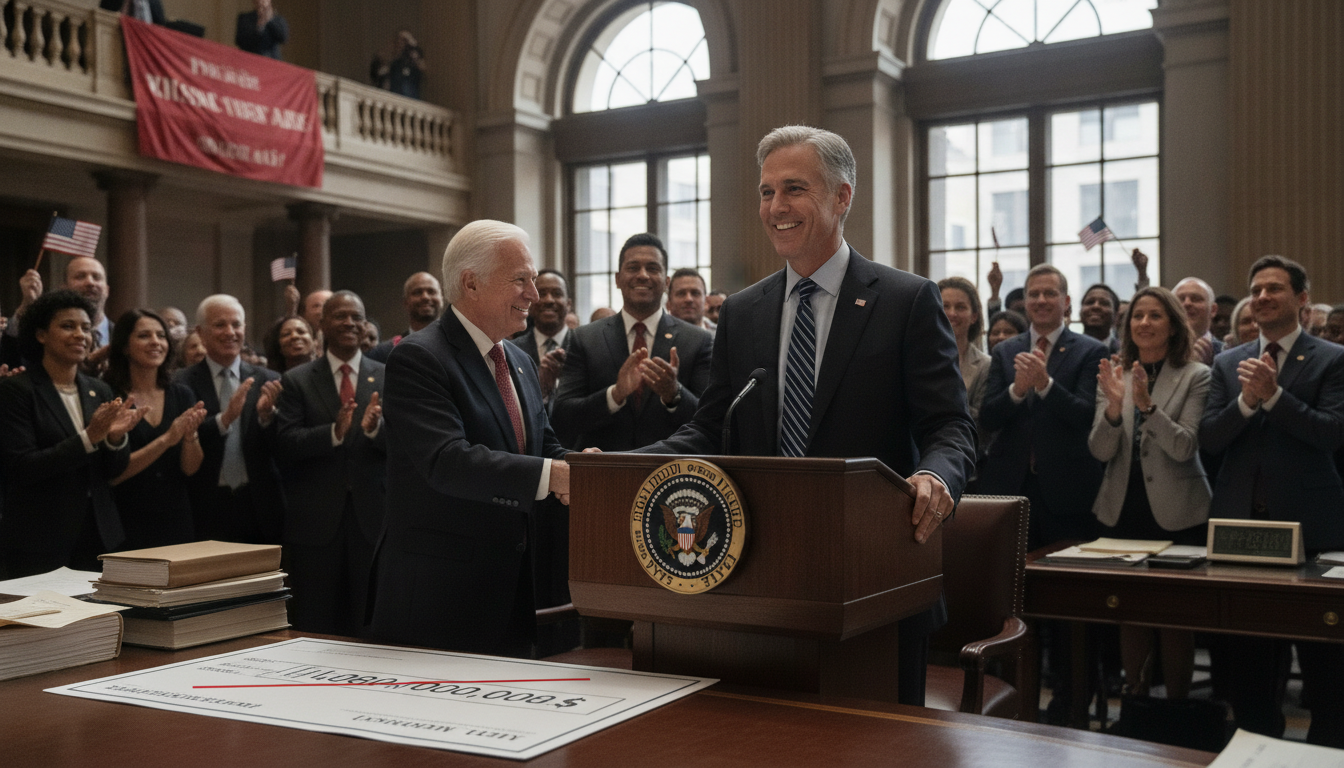
Senators John Cornyn and Thom Tillis will advance Todd Blanche’s DOJ nomination after he rescinded the $1.8bn anti-weaponisation fund, clearing a key hurdle.
Two Republican senators announced they will end their opposition to President Donald Trump’s acting attorney general, Todd Blanche, after the Justice Department formally rescinded an order creating a contested $1.8 billion anti-weaponisation fund. The move, announced by the department, came after weeks of scrutiny over whether the fund would use taxpayer money to compensate political allies of the former president. Senators John Cornyn of Texas and Thom Tillis of North Carolina said they will vote to advance Blanche’s nomination to the full Senate following the rescission.
Senators End Opposition After Fund Rescinded
Cornyn and Tillis issued a joint statement saying they were grateful to Blanche and his staff for addressing their concerns and that they planned to support advancing his nomination out of the Senate Judiciary Committee. Both senators had previously conditioned their support on written assurances that the fund would not proceed, citing the risk that it could be used to benefit politically connected individuals. Their reversal removes two key obstacles that had stalled Blanche’s confirmation process.
Justice Department Issues Formal Rescission Order
The Justice Department released an order stating that it had rescinded the May 18, 2026 directive that had authorised establishment of the anti-weaponisation fund. The department said no members had been appointed to oversee any claims process, no funds had been transferred and no payments had been made. The order described the rescission as establishing “beyond any doubt” that the fund will not move forward, language intended to address lingering doubts among lawmakers and in the courts.
Fund Created as Part of Settlement With IRS
The contested fund originated from a settlement tied to a lawsuit between former President Trump and the Internal Revenue Service, in which a larger claim had been sought against the agency. Blanche, serving as acting attorney general, oversaw the Justice Department actions that led to the initial creation of the mechanism intended to compensate individuals who alleged government overreach. The administration’s earlier push for the fund prompted legal and political questions about the separation between executive powers and taxpayer accountability.
Bipartisan Backlash Over Potential Recipients
Lawmakers from both parties raised alarms that the anti-weaponisation fund could be used to reward political allies and, in some cases, individuals involved in the January 6, 2021, attack on the Capitol. Critics said that allowing such payments would amount to using federal dollars to indemnify partisan actors rather than redressing legitimate civil-rights harms. Those concerns made support for Blanche politically fraught, particularly for senators who weigh committee votes and confirmation prospects against constituent and party pressures.
Blanche’s Congressional Testimony and Written Assurances
Blanche previously testified before Congress in June that he would not move forward with the fund, and the department repeatedly told federal courts the same position in written filings. Despite those assurances, President Trump publicly continued to promote the concept, heightening scepticism among some senators about whether the fund was truly abandoned. The Justice Department’s formal rescission was presented as the definitive action meant to settle the dispute and remove ambiguity from Blanche’s record.
Confirmation Path and White House Response
With Cornyn and Tillis signalling support to move Blanche’s nomination forward, the Judiciary Committee is expected to schedule a vote to advance the nomination to the Senate floor. Republicans hold a narrow Senate majority, so committee decisions and a handful of votes on the floor will determine whether Blanche is confirmed permanently. President Trump had warned he might keep Blanche as acting attorney general and attempt to bypass the Senate if key senators withheld support, but the rescission reduces the immediate leverage for such a bypass.
Potential Legal and Political Fallout
Although the rescission addresses the short-term political impasse, analysts say the episode could have enduring legal and reputational consequences for the Justice Department. Courts and advocacy groups that challenged the fund may still pursue related litigation or seek clarity about past actions tied to the proposed settlement. Meanwhile, lawmakers on both sides have signalled they will continue to scrutinize the department’s handling of politically sensitive agreements.
The rescission clears a major barrier to Todd Blanche’s confirmation but does not end scrutiny of how the Justice Department and the White House handled the settlement and the proposed fund. Senate watchers expect a committee vote in the coming days, and political figures on Capitol Hill say they will continue to press for transparent explanations as the process moves forward.
