
Hungary to Shut Paks Nuclear Plant as Danube Hits Record Low, Citing Heatwave and Cooling Loss
Hungary to Shut Paks Nuclear Plant as Danube Hits Record Low, Citing Heatwave and Cooling Loss
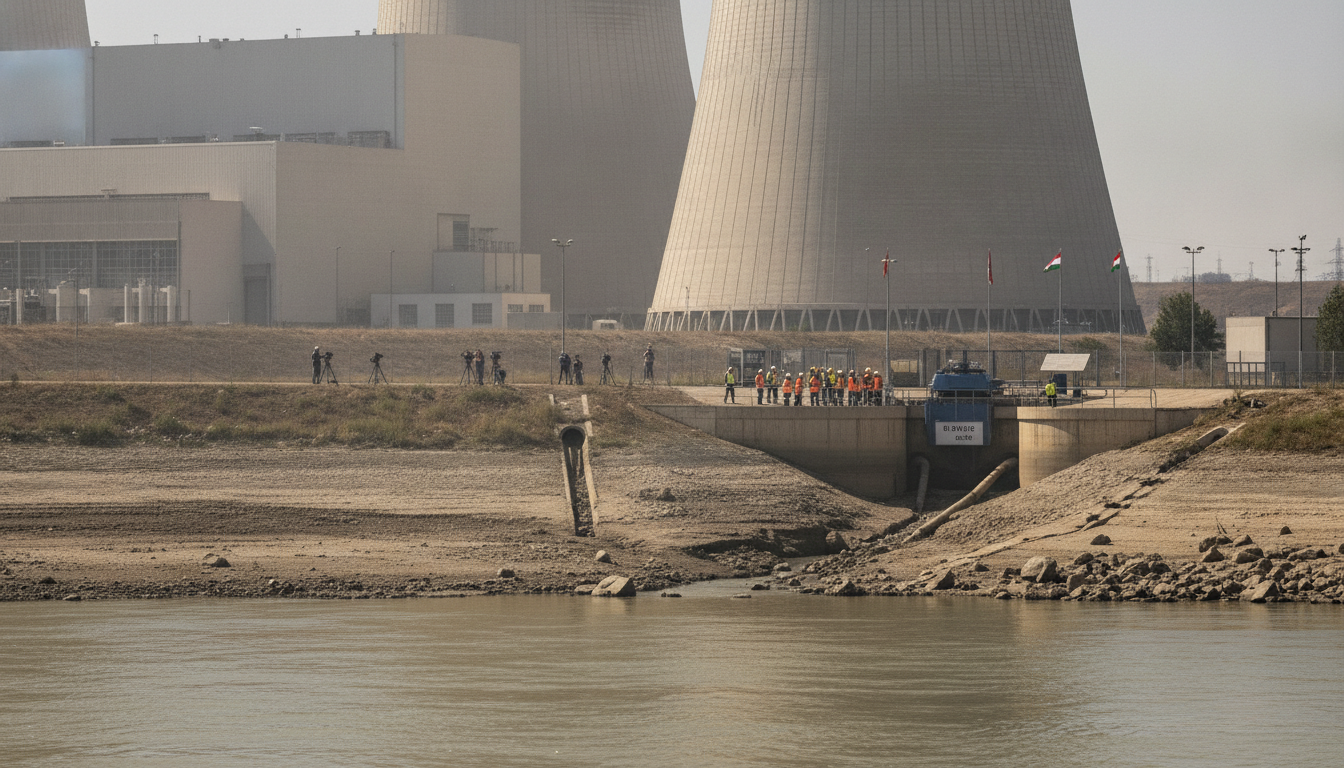
Hungary will shut down the Paks nuclear plant after record-low Danube water levels and an intense heatwave compromised reactor cooling, forcing the largest plant in the country offline for the first time in its 44-year history. The Paks nuclear plant, which supplies a significant share of Hungary’s electricity, began staged power reductions before authorities announced a full outage as river intake pumps could no longer access sufficient water. (apnews.com)
Heatwave and Danube at Record Low
A prolonged heatwave and drought have pushed the Danube to historically low levels at the Paks intake, restricting the plant’s ability to draw cooling water. The plant operator and national water authority recorded unprecedented negative-stage measurements at the monitoring post near Paks, with levels falling well below previous lows from 2018. (atomeromu.mvm.hu)
Officials said the combination of high river temperatures and diminished depth has strained pump performance and raised environmental discharge concerns, prompting stepwise power reductions before the decision to shut down. Those constraints affect both the intake capacity and the permissible temperature of water returned to the river under environmental licences. (haea.hu)
Staged Power Reductions at Paks
Operators initiated staged deratings of individual reactor units in late July as conditions worsened, cutting output from the plant’s normal capacity to a fraction of its usual generation. Hungary’s grid operator coordinated the reductions to maintain system stability while preparing contingency measures for a potential extended outage. (ca.marketscreener.com)
Plant managers emphasised that the shutdowns are procedural and driven by cooling constraints rather than an immediate nuclear safety failure, with systems following regulatory steps for safe cooldown and maintenance of residual heat removal functions. International guidance and national rules prescribe reduced output and eventual cold shutdown if the ultimate heat sink—river water—cannot be assured. (iaea.org)
Impact on Hungary’s Electricity Supply
Paks normally generates roughly half of Hungary’s electricity at its full capacity, and a complete shutdown would immediately remove about 2,000 megawatts from the national system. Authorities warned that the loss of Paks’ output, combined with elevated demand from the heatwave, could force temporary power curbs for large industrial users and increase reliance on imports and fossil-fuel backups. (apnews.com)
The national transmission operator has signalled coordinated demand-reduction plans and contingency procurement from neighbouring markets to limit blackouts, but officials cautioned that elevated temperatures and constrained generation could create pressure on reserves for several weeks. Grid managers are monitoring conditions hourly and adjusting market operations accordingly. (ca.marketscreener.com)
Regulatory and Safety Oversight
Hungary’s nuclear regulator and the plant operator have reiterated that all actions follow established safety protocols, including controlled cooldown, continuous monitoring of reactor parameters, and maintenance of spent-fuel cooling. Regulators emphasised that a shutdown, while disruptive to supply, allows staff to ensure decay heat removal and environmental protections remain in place. (haea.hu)
Officials also highlighted that environmental limits on discharge temperature and intake depth are statutory constraints intended to protect river ecosystems during extreme weather, and that compliance requires operators to limit or cease thermal discharges when thresholds are crossed. The regulatory framework therefore becomes a binding factor in operational decisions during droughts. (haea.hu)
Regional River Trends and Climate Context
The Danube’s exceptionally low levels are part of a broader pattern of drought and heat affecting Central and Eastern Europe, which has already disrupted river transport, tourism and other thermal power stations that depend on cooling water. Observers noted similar deratings and shutdowns at plants elsewhere along the river as flows and temperatures depart from historical norms. (apnews.com)
Hydrologists say upstream precipitation deficits and sustained high temperatures have reduced flow and raised the river’s thermal load, limiting its capacity to absorb additional heat from industrial discharges without breaching ecological thresholds. Governments in several Danube countries are assessing emergency water-management measures amid forecasts for continued hot, dry weather. (danubealert.com)
Short-Term Outlook and Recovery Steps
Operators and regulators said restoration of generation at Paks will depend on river levels rising and temperatures falling to within operational and environmental limits, a process that could take days to weeks depending on weather and upstream inflows. During that window, Hungary plans to augment imports, activate reserve plants where possible, and implement managed demand reductions for large consumers. (apnews.com)
Plant teams stressed the priority remains safe maintenance of reactor cooling systems and environmental compliance; any restart will be gradual and contingent on demonstrable, sustained improvement in Danube conditions. Authorities also signalled plans to review long-term cooling strategies as part of energy-security assessments to reduce vulnerability to climate-driven river extremes. (haea.hu)
Hungary’s full shutdown of the Paks nuclear plant underscores the growing intersection between extreme weather, river management and energy security, leaving officials to balance immediate grid needs with statutory environmental protections and nuclear safety requirements in the face of an unprecedented drought.
