
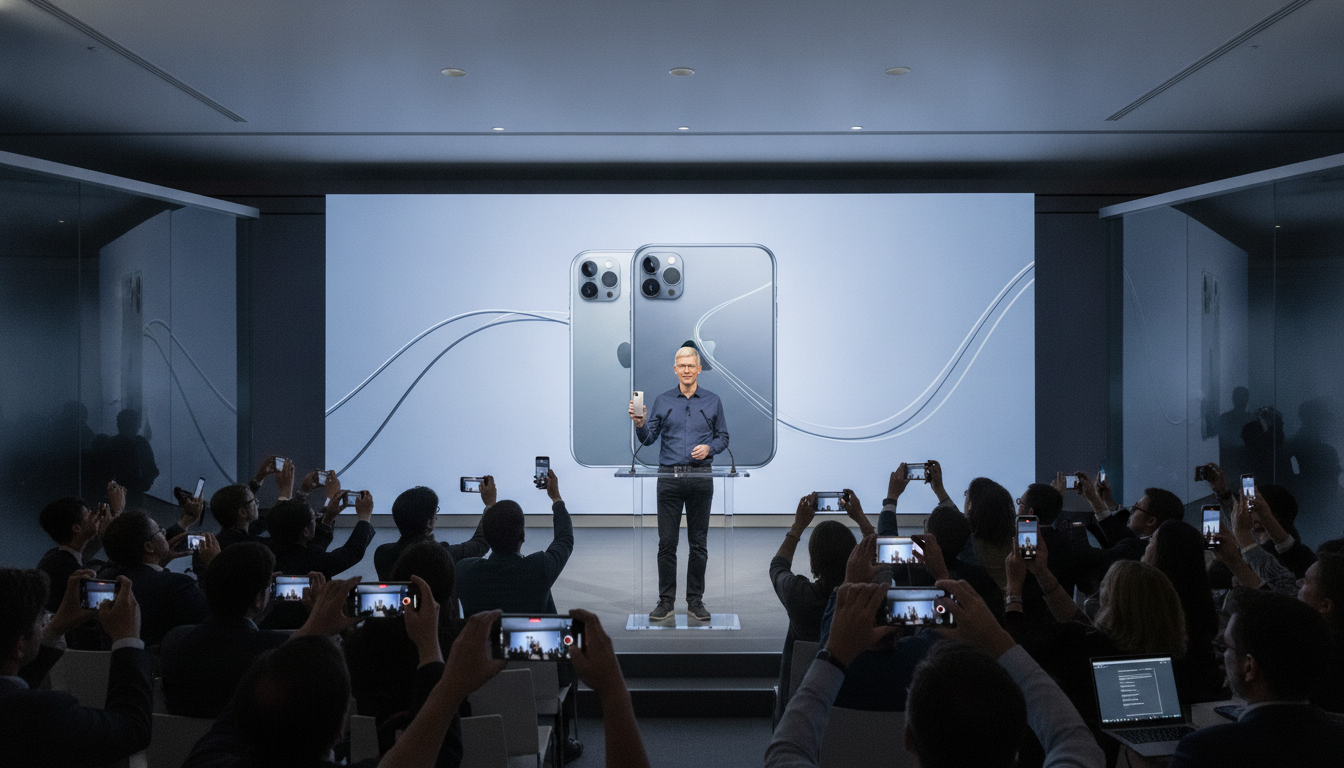
Smartphone leasing becomes the next battleground as Apple and Samsung roll out upgrade and buyback plans
Apple and Samsung push smartphone leasing with buyback options as device owners hold phones longer, shifting the market toward subscriptions and upgrades.
The smartphone industry is shifting from one-time purchases to smartphone leasing and subscription models as manufacturers seek steadier upgrade cycles and resale flows. Apple this week launched Apple Upgrade in the U.S. with payment partner Klarna, offering monthly leases for iPhones, Macs, iPads and Apple Watches with options to upgrade, return or buy at the end of the term.
Manufacturers and retailers are responding to longer ownership spans and rising device costs by experimenting with guaranteed buybacks, financing and subscription services to keep customers in their ecosystems. Analysts and industry executives say these moves are meant to make premium hardware more accessible while supplying a reliable stream of trade-ins for the refurbished market.
Apple launches Apple Upgrade with Klarna
Apple rolled out the Apple Upgrade plan in the United States, enabling customers to pay a monthly fee rather than a lump sum for new devices. The program covers a wide range of Apple hardware and is designed for users who plan to upgrade regularly, giving them flexibility to return devices or convert leases into purchases.
On a recent earnings call, Apple executives noted that the company’s historically high resale values make an upgrade-and-lease approach commercially viable, and the partnership with a major payments firm is intended to streamline customer access to newer hardware.
Samsung expands Galaxy Forever in markets such as India
Samsung has already moved in a similar direction with Galaxy Forever in India, a program that blends financing with guaranteed buyback values to simplify upgrades for flagship buyers. The scheme targets customers who want predictability around trade-in value and the option to adopt newer models on a predictable cadence.
By establishing buyback guarantees, Samsung aims to lower the barrier to entry for premium handsets in price-sensitive markets while maintaining a supply of pre-owned devices for refurbishment and resale.
Replacement cycles lengthen amid rising component costs
Industry data show consumers are keeping smartphones longer, a trend driven in part by higher retail prices and constrained component supplies that have pushed up costs. Research firms report global replacement cycles extending toward four years in 2026, reflecting both slower year-to-year improvements and increased reluctance to upgrade.
In the United States, premium handset owners now hold devices for an average of roughly 42 months, which has pressured makers to find alternative ways to monetize customer relationships outside of frequent device turnover.
When smartphone leasing makes financial sense for consumers
Analysts say smartphone leasing can be financially attractive for consumers who upgrade every year or two, because monthly programs can align total spend with the effective cost of trading in and buying anew. Experts from consumer finance and market research note that buyers who hold devices for longer—three to five years—typically benefit more from purchasing outright than from continual leasing.
Program details matter: factors such as storage tier, residual value, fees and upgrade terms determine whether leasing matches or undercuts the cost of buying then trading in later.
Secondary market and refurbishment are central to program viability
Leasing and guaranteed buyback models depend on a healthy secondary market that can absorb returned devices at predictable prices. Industry observers argue that without robust refurbishment channels, those programs would be unsustainable, because manufacturers and partners rely on reselling used handsets to recoup costs.
Startups and specialist players that repair, certify and resell pre-owned phones stand to benefit, while established trade-in platforms are expanding services to handle increased volumes from manufacturer-led leasing schemes.
Manufacturers aim to protect margins and own customer relationships
Beyond affordability, a chief aim of these programs is margin protection and customer retention as average selling prices climb. Device makers are moving to control the financing and upgrade relationship directly, rather than ceding it to carriers that historically handled most consumer financing in key markets.
Market researchers note that carrier-driven interest-free plans and aggressive trade-in incentives helped lift average prices in regions like the U.S., but vendors increasingly view subscriptions and leasing as a way to secure predictable revenue and reduce churn.
Startups including subscription specialists in India and Europe have already shown demand for non-ownership options, particularly among younger professionals who prefer predictable monthly costs over large upfront payments. Industry veterans expect leasing, financing and outright purchase to coexist, with each model serving distinct consumer preferences and market segments.
Consumer choice, regulatory scrutiny and the economics of trade-ins will shape how quickly smartphone leasing scales across regions. For now, Apple’s Upgrade rollout and Samsung’s regional pilots signal that major manufacturers see subscription-like ownership as a scalable tool to broaden access to premium devices while feeding the refurbished pipeline.
As the market tests these models, buyers weighing smartphone leasing should compare total costs across ownership horizons, examine residual-value guarantees and factor in how often they plan to upgrade. The coming year will reveal whether subscriptions can materially shorten effective replacement cycles or chiefly serve as a new route to predictable revenue and refurbished inventory for manufacturers.
