
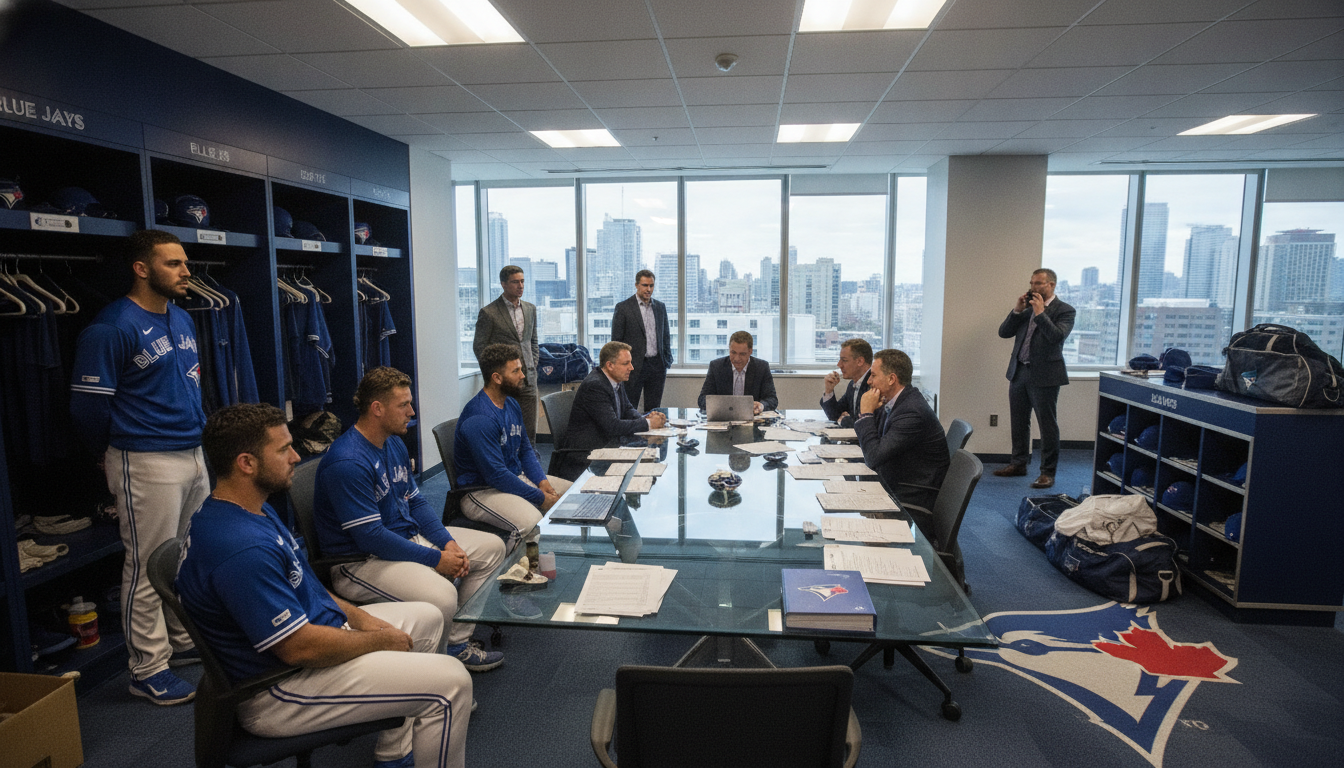
Which Blue Jays Are Most Likely to Be Moved at the Blue Jays Trade Deadline?
Blue Jays trade deadline prospects and positions most likely to be dealt are examined, with analysis of market demand, contract status, and roster impact.
The Toronto Blue Jays face a series of consequential decisions as the Blue Jays trade deadline approaches, with several roster pieces expected to draw interest from playoff contenders. The club’s mix of veteran salaries, depth arms and controllable hitters creates a dynamic market in which Toronto could buy, sell or shift salary to reshape the roster. This article examines which types of Blue Jays players are likeliest to be moved, why teams would pursue them, and how different outcomes could affect Toronto’s season trajectory.
Players Viewed as Trade Candidates
Several categories of Blue Jays players typically populate trade discussion: high-salary veterans with short-term control, rotation arms with mixed results, and relievers who have single-season value spikes. Teams in contention often target players who can fill an immediate need down the stretch, and those represent the core of Toronto’s candidate pool. Younger, cost-controlled players with rising value are less likely to be moved unless the return includes top-tier prospects or a clear retooling plan.
Outfielders, back-end starters and versatile bench pieces are often the most discussed when a contending club calls. For the Blue Jays, any player whose production exceeds or undershoots payroll expectations will be evaluated against potential returns, playoff readiness and long-term club strategy. Front office assessments hinge on a combination of performance metrics, remaining contract length and organizational depth at each position.
Contract Status and Financial Considerations
Contract details and payroll implications are central to trade calculus at the Blue Jays trade deadline. Players with one year remaining, especially those carrying a significant salary, become prime trade assets because acquiring teams can buy immediate impact without long-term commitment. Conversely, players under club control through arbitration or with multiple years of team control lower the bar for Toronto to retain them unless the offer is exceptional.
The Blue Jays must also weigh luxury-tax considerations and the potential for offsetting salary via retained-money deals. Teams that can absorb payroll in exchange for prospects or roster upgrades may be more willing to part with premium talent. Financial flexibility, therefore, influences not only who is available but also the structure and complexity of any deals pursued.
Market Demand and Likely Suitors
Market demand will shape who moves at the Blue Jays trade deadline and which clubs emerge as buyers. Contending teams typically prioritize starting pitching depth, late-inning relievers and left-handed bats, depending on their roster construction. Clubs short on innings or seeking a right-handed power bat will be active on the trade front, and the Blue Jays’ inventory aligns with several of those needs.
Potential suitors are most likely to come from divisions where playoff margins are tight and the deadline represents a final opportunity to upgrade. Teams with surplus prospects or payroll room can outbid others, and scouting evaluations of Toronto’s players will determine the premium those clubs are willing to pay. Matchups between need and asset create the practical marketplace for each Blue Jays candidate.
Prospect Return and Organizational Priorities
What the Blue Jays might receive in return factors heavily into any decision to move players at the Blue Jays trade deadline. Contending teams typically surrender upper-level prospects for impact veterans, while mid-tier cost-controlled players might bring back multiple lower-level prospects. Toronto’s front office will prioritize acquisitions that align with its long-term outlook, whether that means bolstering the farm system or acquiring affordable depth pieces.
The organization must balance short-term competitiveness with pipeline health; trading a veteran for a single high-upside prospect versus a package of quantity-level prospects illustrates differing philosophies. The value of any incoming prospects will be judged against both scouting reports and developmental track records, making the negotiation process as much about projection as present value.
Immediate Roster Impact and Playing Time
Any trades executed before the Blue Jays trade deadline will have immediate implications for playing time and clubhouse dynamics. Moving a veteran batter or reliever creates openings that younger players could fill, accelerating development timelines for internal candidates. Alternatively, acquiring pieces could push Toronto into a different strategic mode—shoring up a weakness or adding rotational depth for a late-season push.
Managerial planning must adapt quickly to roster turnover, especially when dealing with role players whose replacements may be less experienced. The front office and coaching staff will jointly determine whether a trade improves immediate win probability or is undertaken primarily with the club’s medium-term health in mind.
Timeline, Scenarios and Decision Points
The Blue Jays trade deadline shapes into a series of decision points rather than a single moment: evaluating offers, weighing payroll tradeoffs and assessing how potential moves affect competitive outlooks. Front offices frequently set internal thresholds for acceptable returns and will pivot if early offers fail to meet those markers. For Toronto, the deadline window is a time to convert surplus into value or to double down on the present roster.
Scenarios range from small upgrades that preserve the core to larger moves signaling a strategic reset. Regardless of the path, transparency in targets and contingency planning will be critical, as late-week trades and multi-team negotiations can rapidly change the landscape.
Toronto’s roster decisions at the Blue Jays trade deadline will hinge on a complex mix of performance data, contract realities and market appetite. The club’s choices will reveal priorities about contending now versus building for sustained success. The coming weeks will show which players draw the strongest interest and whether Toronto trades to retool, reinforce, or hold steady.
