
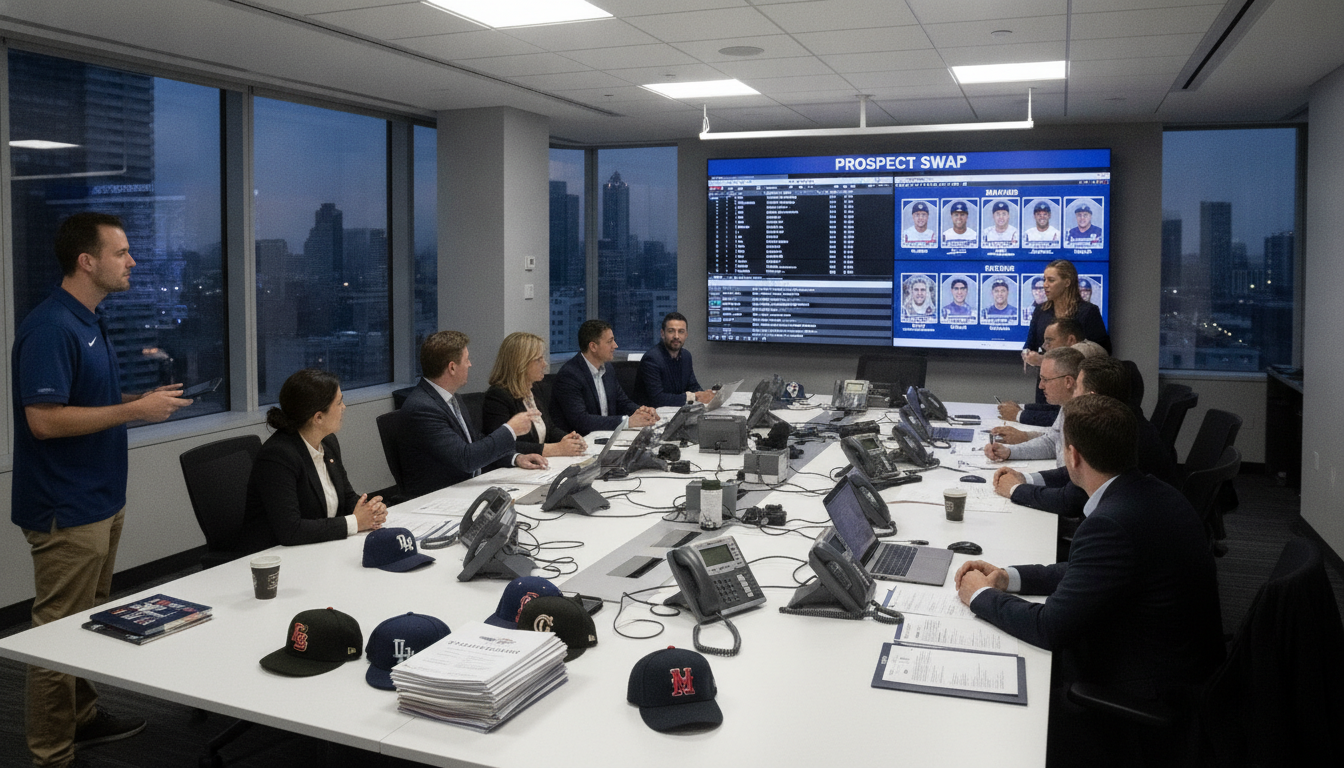
2026 MLB trade deadline heats up as teams make multi-player deals ahead of Aug. 3 deadline
Teams across baseball accelerated deals ahead of the 2026 MLB trade deadline, with several clubs swapping pitchers and prospects as they jockey for postseason position before the Aug. 3 cutoff.
Deadline set for Aug. 3 and market activity
The 2026 MLB trade deadline is set for Monday, Aug. 3 at 6 p.m. ET / 3 p.m. PT, and front offices intensified activity in the days leading up to the cutoff. Contenders and sellers moved to address immediate needs or to restock farm systems, leading to a steady stream of confirmed trades through the weekend. Media trade trackers captured the flurry as teams traded both veteran arms and promising young players.
High-profile pitching acquisitions
Among the most notable moves, the Milwaukee Brewers acquired veteran starter Lance McCullers Jr. in a deal that sends a young outfielder to Houston and includes another left-hander plus cash considerations. The addition gives Milwaukee a familiar presence in their rotation as they push for the postseason. Meanwhile, the Los Angeles Dodgers bolstered pitching depth by acquiring Seth Halvorsen, with Los Angeles sending two minor-league pieces to Colorado in return.
Other rotation and bullpen adjustments were prominent. The Chicago Cubs added innings by acquiring Aaron Civale from Oakland, exchanging a 22-year-old right-handed prospect. Kansas City picked up Nate Pearson from Houston, a move that brings a former big-league arm into their relief mix. Pittsburgh also refreshed its bullpen by acquiring Ron Marinaccio, addressing middle-relief needs with a veteran right-hander.
Position-player swaps and short-term upgrades
Teams trading for position players aimed to fill immediate lineup gaps. Boston swung a pair of deals, receiving Curtis Mead from Washington in a swap that sends a young pitcher to the Nationals, and separately acquiring outfielder Jahmai Jones from Detroit for a player to be named later. Mead arrives in Boston amid a breakout season that has seen notable power and on-base production, while Jones provides depth against left-handed pitching.
Philadelphia added outfield depth by acquiring left-handed hitter Kameron Misner from Kansas City in exchange for cash considerations. The acquisition gives the Phillies a left-handed option off the bench or in a platoon role as they evaluate their outfield mix down the stretch. Houston received outfielder Jadyn Fielder in the Brewers trade, a move that returns a young outfielder to the Astros’ system.
Prospects, bonus pool assets and draft considerations
Several transactions focused on future assets rather than immediate major-league help. Pittsburgh acquired Jacob Gonzalez and lefty Brandon Eisert from Chicago White Sox in a deal that included a 2026 Competitive Balance-A round pick heading the other way. That trade highlights how teams balanced present ambitions with long-term talent acquisition.
Toronto traded right-hander Tommy Nance to Minnesota in exchange for a catching prospect and international bonus pool money, a sign that the Blue Jays prioritized prospect depth and global signing flexibility. Similarly, San Diego’s and other clubs’ moves that included international bonus pool allocations show a renewed emphasis on the amateur signing market. Teams with deeper pockets for international spending used those levers to extract pitching or roster relief pieces.
Strategic patterns among buyers and sellers
Buyers generally fell into two camps: clubs seeking rotation or bullpen reinforcements and those targeting bench or platoon pieces. Contending clubs prioritized established arms and controllable depth for September, while sellers targeted future-facing returns such as prospects, bonus pool dollars and draft picks. Several trades also involved players who had been designated for assignment, illustrating front offices’ willingness to take low-risk gambles on recently available arms.
Smaller transactions underscored roster construction nuances. Los Angeles and Kansas City exchanged lower-profile pitchers and prospects, while teams like the Royals and Rockies used international money and minor-league swaps to manage both their present and future windows. These moves collectively reshaped 40-man rosters and opened playing time for younger call-ups.
Remaining days before the deadline and team priorities
With the 2026 MLB trade deadline hours away, expect continued chatter and a handful of late deals as clubs finalize evaluations and medical checks. Contenders that still see realistic playoff paths are likely to keep searching for controllable pitching and left-handed bench pieces. Meanwhile, clubs outside the race are positioned to leverage surplus veterans for long-term assets.
The trade market has already produced a mix of veteran signings and prospect-focused exchanges, and activity will likely persist until the deadline clock expires on Aug. 3. Teams will weigh immediate roster upgrades against developmental returns, and the final day promises a last wave of strategic moves that could reshape the stretch run.
The flurry of transactions ahead of the 2026 MLB trade deadline reflects varied club strategies and the high stakes of late-season roster building, with both contenders and sellers using the market to align present goals with future needs.
